
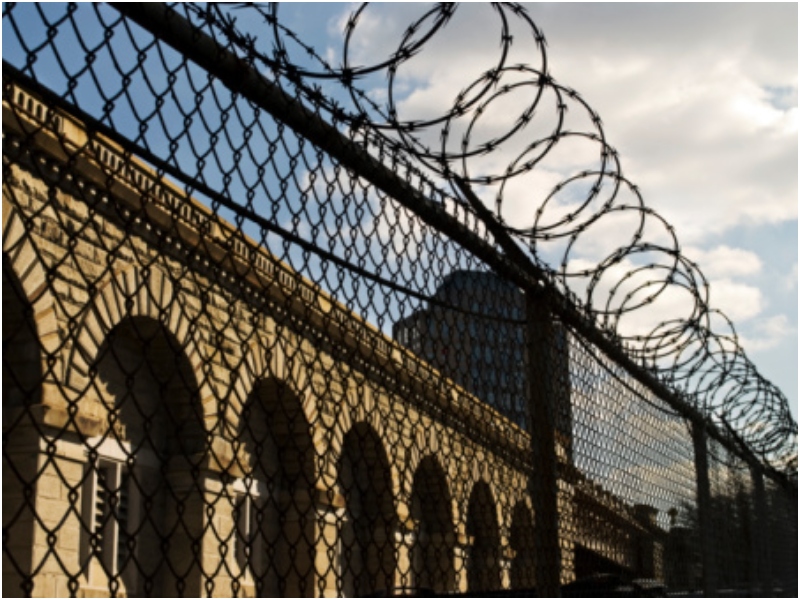
The New Orleans public defender’s office, responsible for representing more than 20,000 indigent defendants annually with just 52 attorneys, has reached a breaking point.
The office’s chief public defender, Derwyn Bunton, has taken the extraordinary step of refusing to take on new felony cases, arguing that the system is so broken it has become “just a criminal processing system” where innocence is irrelevant.
“We’re destroying lives,” Bunton told 60 Minutes. “We will no longer be complicit in that kind of injustice.”
A Constitutional Crisis
The Orleans Public Defenders Office (OPD) faces a caseload nearly five times what the American Bar Association considers manageable—each public defender handling the work of what should be five attorneys . This has led to what legal scholars describe as a fundamental breakdown of the Sixth Amendment right to counsel.
“How do 50 attorneys handle 22,000 cases?” Bunton asked. “You do your best, but a lot of times you can’t provide the kind of representation that the Constitution, our code of ethics and professional standards would have you provide.”
The Human Cost
The case of Donald Gamble illustrates the consequences. In February 2015, Gamble was arrested for armed robbery based on an eyewitness identification. He spent 16 months in jail—where he was attacked, losing his front teeth—with his public defender too overworked to investigate his case thoroughly.
A law professor appointed to advise Gamble spent just four to five hours reviewing the case file. She noticed that the pants worn by the robber on security footage were flat-cuffed, while Gamble’s pants had elasticized bottoms—making it “impossible for those pants to have made that.” Days later, the district attorney dropped all charges.
Innocent People Pleading Guilty
Public defenders in New Orleans admit the system pressures innocent people to accept plea deals. With 95% of cases ending in guilty pleas, defendants often choose a known sentence over the risk of life in prison—even when they are innocent.
“I had a client doing 20 years for stealing a flat of soda worth less than $100,” one public defender told 60 Minutes. “I have a client sentenced to 17 years for half an ounce of weed, no crimes of violence in his past.”
Bunton claims innocent people “are pleading guilty to crimes they didn’t do all the time. All the time” . Louisiana’s felony multiplier laws, which can turn misdemeanors into felonies for repeat offenses, compound the problem, creating severe sentences for minor infractions.
Ethical Boundaries
The New Orleans public defenders who spoke with 60 Minutes all admitted they believe an innocent client went to jail because they lacked time to properly investigate. “We simply don’t have the time, we don’t have the money, we don’t have the attention to be able to give to every single person,” one attorney said. “It’s not for lack of skill.”
Bunton’s refusal to accept new cases has had some effect: the state legislature recently increased funding for public defenders’ offices . But he insists he will continue turning away cases until he can ensure every client receives the defense they deserve.
“Here we have a criminal justice system, stories of innocence throughout and profound, and we still haven’t had the urgency that I think we need to reform it,” Bunton said. “Make no mistake, we’re destroying lives.”