
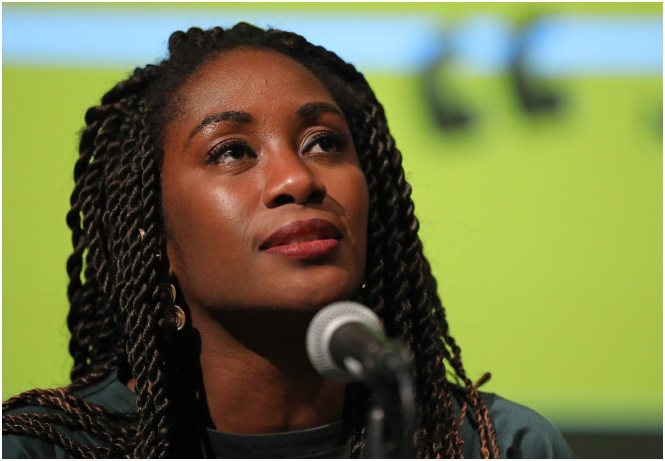
Veteran journalist Karen Attiah is heading into arbitration against The Washington Post after what she describes as a wrongful termination, bolstered by support from prominent attorney and democracy advocate Norm Eisen and backed by her labor union.
The dispute, which has evolved into a high-profile test of employee speech rights, newsroom policies, and media workplace protections, stems from Attiah’s firing eight months ago following social media posts she made after the killing of conservative commentator Charlie Kirk.
Speaking publicly ahead of the proceedings, Attiah said the case has implications far beyond her personal employment dispute.
“This is about our human right to be able to express ourselves without being afraid of institutional suppression, silencing, and political pressure,” she said.
Arbitration Marks Critical Stage in Employment Dispute
Attiah revealed that the grievance filed on her behalf by the Washington-Baltimore News Guild and the Post Guild is now moving into arbitration, a significant step in the labor dispute process.
Under many collective bargaining agreements, arbitration serves as the final and binding mechanism for resolving workplace disputes when negotiations fail.
“It has been eight months since I was wrongfully fired by the Post,” Attiah said. “This week we are going to arbitration against The Washington Post.”
The former columnist characterized the upcoming proceedings as “fight week,” signaling her determination to challenge the newspaper’s decision.
Eisen’s Involvement Adds Legal Firepower
A notable development in the case is the involvement of Norm Eisen, a nationally recognized attorney, former United States ambassador to the Czech Republic, and longtime advocate for constitutional governance and civil liberties.
Attiah publicly thanked Eisen for providing legal guidance, strategic advice, public advocacy, and moral support throughout the dispute.
“You have been amazing, providing legal and counsel and strategy with moral support,” she said.
Eisen has become one of the most prominent legal voices in the country on issues involving constitutional rights, government accountability, and democratic institutions. His support is likely to draw increased attention to the arbitration proceedings.
Free Speech and Media Law Questions
At the center of the dispute are questions frequently debated in media law and employment law circles: To what extent can journalists express opinions on personal social media accounts, and where should employers draw the line between personal expression and organizational interests?
According to Attiah, The Washington Post terminated her employment after concluding that her posts violated company standards following the aftermath of Kirk’s killing.
Attiah has consistently disputed the newspaper’s characterization of her comments, arguing that her posts addressed issues including political violence, race, and gun policy rather than encouraging harm.
“The Washington Post has unfortunately decided to side with silencing its opinion journalists,” she said.
While private employers generally maintain broad authority over workplace conduct and social media policies, labor law experts note that disputes involving unionized employees often hinge on whether disciplinary actions were imposed fairly, consistently, and in accordance with negotiated contractual protections.
Union Protections Under Scrutiny
The arbitration also highlights the role labor unions continue to play in protecting journalists facing disciplinary actions.
Attiah emphasized that she remains a “proud Post Guild member” and credited union representation with helping advance her challenge to the termination.
The grievance process initiated by the guilds ultimately led to arbitration after months of negotiations failed to resolve the dispute.
Employment attorneys often describe arbitration as one of the most consequential stages in union-related employment conflicts because arbitrators have authority to order remedies that may include reinstatement, back pay, or other forms of relief if contractual violations are found.
Broader Concerns About Representation
Attiah also connected her case to larger concerns about diversity and representation within major media institutions.
“I was the last Black full-time staff columnist at The Washington Post,” she said.
She argued that the dispute extends beyond newsroom personnel decisions and reflects broader debates about whose voices are represented in influential opinion spaces.
Her firing generated significant discussion among journalism organizations, press freedom advocates, and media commentators when it was first reported, particularly amid broader conversations about editorial direction and newsroom culture at major national publications.
Potential Implications Beyond One Newsroom
Legal observers note that the outcome of the arbitration could be closely watched by journalists, unions, media companies, and employment lawyers nationwide.
As news organizations increasingly regulate employee social media activity, disputes involving free expression, editorial independence, and workplace discipline have become more common.
Attiah’s case sits at the intersection of several evolving areas of law and policy, including labor rights, employment protections, free speech principles, and media governance.
For Attiah, however, the stakes remain deeply personal as well as institutional.
“This is bigger than me,” she said. “It’s bigger than the Post. It’s bigger than journalism.”
With arbitration now underway and a prominent legal advocate standing alongside her, Attiah appears poised to continue a legal fight she believes could help define the boundaries of expression and accountability within modern American media.