
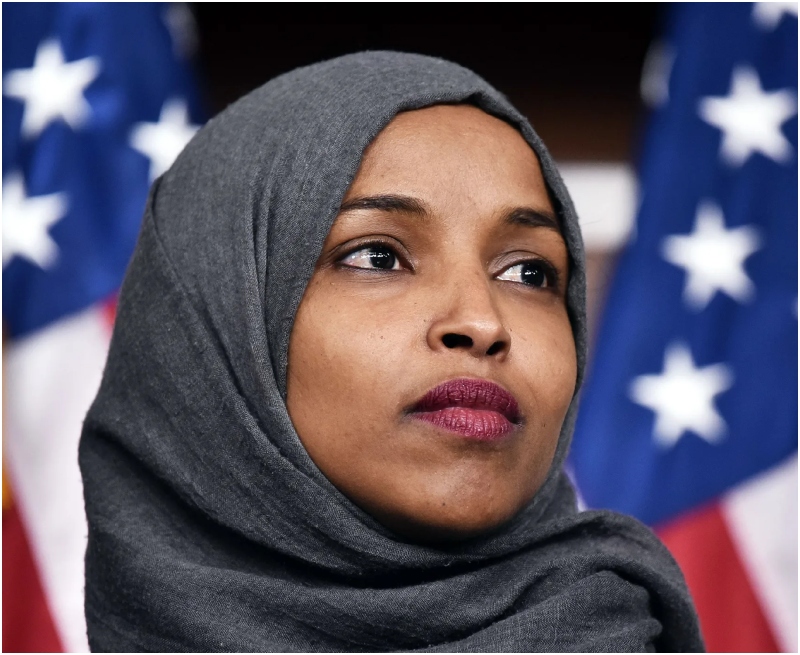
During a high-stakes House floor debate over federal appropriations, Ilhan Omar delivered a sharply argued legal and constitutional critique of proposed funding for U.S. Immigration and Customs Enforcement (ICE), positioning the issue as one of accountability, civil liberties, and congressional oversight.
“I rise today in strong opposition,” Omar said, challenging a Republican-backed proposal to allocate an additional $70 billion to immigration enforcement agencies, including U.S. Customs and Border Protection.
Her most pointed line underscored the legal framing of her argument: “We cannot send this rogue and unaccountable agency another cent.”
Constitutional Concerns and Oversight Failures
Omar’s remarks went beyond political rhetoric, raising questions central to administrative law and constitutional protections. She alleged that ICE enforcement actions in her district during “Operation Metro Surge” involved conduct that may implicate Fourth Amendment concerns, including warrantless detentions and arrests.
“In my district, ICE has used that money to terrorize Minnesotans,” she said, pointing specifically to impacts on minority communities.
She further referenced fatal enforcement encounters involving civilians, which have fueled demands for independent investigations and potential civil rights litigation. While such incidents remain subject to legal scrutiny, Omar framed them as evidence of systemic oversight deficiencies.
Legal analysts note that claims of warrantless seizures or excessive force, if substantiated, could expose federal agencies to constitutional challenges under Bivens actions or other civil rights claims.
Funding Debate Within a Broader DHS Legal Context
The dispute unfolded as Congress moved to resolve a prolonged funding impasse affecting the Department of Homeland Security, which oversees ICE and CBP. The legislative standoff had raised operational and legal concerns regarding agency continuity and statutory obligations.
Critics of expanded ICE funding, including Omar, argue that increased appropriations without enhanced statutory safeguards risk enabling conduct that may conflict with due process protections and established limits on federal enforcement authority.
Supporters, however, maintain that ICE and CBP operate within existing legal frameworks and are essential to enforcing federal immigration law under statutes such as the Immigration and Nationality Act.
Omar rejected that justification, noting prior funding allocations and arguing that Congress must exercise stricter appropriations oversight.
“This effort is even more incomprehensible,” she said, referencing earlier multi-billion-dollar funding packages.
Legislative Outcome and Legal Implications
Omar’s remarks culminated in a direct appeal to lawmakers: “I urge my colleagues to vote no.”
In a significant legislative development, the House ultimately passed a funding package that excluded additional appropriations for federal immigration enforcement, marking a notable shift in the debate over ICE’s operational scope and funding.
The outcome may have downstream legal implications, particularly regarding enforcement capacity, resource allocation, and potential litigation exposure tied to agency practices.
A Policy Debate Framed in Legal Terms
Omar’s speech reflects a broader reframing of immigration enforcement debates — from policy disagreements to questions of legality, constitutional compliance, and institutional accountability.
As litigation, oversight hearings, and future appropriations battles loom, the tension between enforcement authority and civil liberties remains a defining issue in U.S. immigration law.