
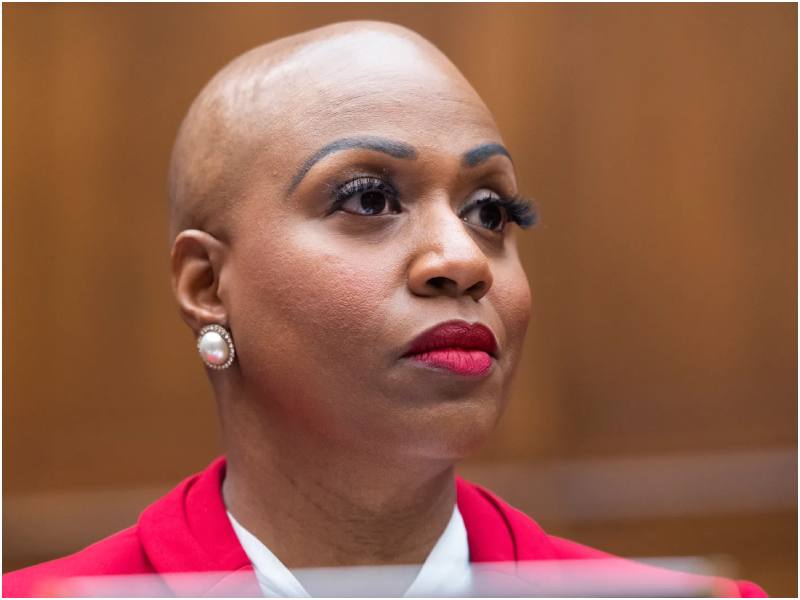
U.S. Rep. Ayanna Pressley is intensifying her call for systemic legal accountability in cases of sexual abuse and trafficking, warning that the justice system must do more to address long-standing failures that have left survivors without adequate redress.
In a recent public statement, Pressley underscored the gravity of abuse suffered by victims, many of whom were minors at the time, while emphasizing the urgent need for structural reforms.
“Whether they are pastors, presidents, or princes, a reckoning is on the way,” she said, framing the issue as one that transcends status, profession, and power.
Her remarks come amid continued scrutiny of high-profile abuse cases involving figures such as Jeffrey Epstein and Ghislaine Maxwell, whose prosecutions exposed systemic gaps in legal accountability and survivor protection.
Pressley stressed that survivors have endured profound violations that extend beyond physical harm.
“It was a violation of dignity. It was a violation of bodies. It was a violation of dreams,” she said, highlighting the layered legal and psychological consequences that often complicate both prosecution and recovery.
Drawing on the words of scholar Angela Y. Davis, Pressley framed her advocacy within a broader legal philosophy of reform:
“I’m no longer accepting the things I cannot change. Instead, I’m changing the things I can no longer accept.”
Her position aligns with ongoing debates in constitutional and civil rights law, particularly regarding the absence of an Equal Rights Amendment and the challenges of prosecuting crimes such as coercive control, sex trafficking, and gender-based violence. Legal experts note that these areas often suffer from inconsistent enforcement frameworks and jurisdictional limitations.
Pressley also pointed to the normalization of gender-based violence as a barrier to justice, citing issues including femicide, domestic abuse, and economic coercion. She argued that meaningful reform must include not only criminal accountability but also expanded protections and legal recognition for survivors.
“Nothing changes if nothing changes,” Pressley said, signaling her intent to continue legislative and advocacy efforts aimed at strengthening survivor protections and closing systemic loopholes.
Her remarks add momentum to a growing push within legal and policy circles for comprehensive reforms—ranging from enhanced victim compensation mechanisms to stricter enforcement of trafficking laws and broader constitutional protections.