
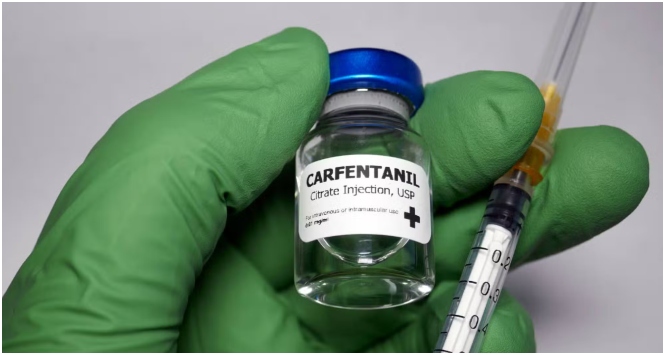
WASHINGTON — A highly potent synthetic opioid once researched as a chemical weapon is making a dangerous comeback in the United States, emerging as a deadly substitute for fentanyl and claiming lives even as overall overdose deaths decline.
Carfentanil, a substance 10,000 times more potent than morphine and 100 times stronger than fentanyl, has seen a dramatic resurgence.
In 2025, U.S. Drug Enforcement Administration labs identified the drug 1,400 times in seizures, a sharp increase from just 145 detections in 2023 and 54 in 2022.
The deadly shift comes as Chinese authorities have cracked down on fentanyl precursor chemicals, prompting Mexican cartels to experiment with carfentanil to maintain the potency of street drugs. Less than a grain of salt’s worth can be lethal.
A Personal Tragedy Highlights the Danger
Michael Nalewaja, a 36-year-old electrician in Alaska, was one of its victims. Days before Thanksgiving 2025, he and a friend unknowingly ingested a mixture of fentanyl and carfentanil they may have mistaken for cocaine. He did not survive.
“I heard the word ‘autopsy’ and I literally just collapsed to the floor,” his mother, Kelley Nalewaja, recalled. “Even if somebody had been there prepared with Narcan — even if somebody had called 911 in time — he was not going to survive.”
Why Carfentanil Is So Alarming
Originally developed for veterinary use to sedate large animals like elephants, carfentanil’s legal manufacturing quota in the U.S. is just 20 grams per year. It was infamously used by Russian forces as a chemical incapacitant during the 2002 Moscow theater hostage crisis.
Despite a major decline in overall U.S. overdose deaths over the past two years and falling fentanyl seizures, experts warn carfentanil poses a frightening new threat. Multiple doses of naloxone may not reverse an overdose involving the drug. In 2024, carfentanil-related overdose deaths nearly tripled to 413 across 42 states and Washington, D.C.
DEA officials say traffickers are either producing small amounts in Mexico or sourcing it from Chinese vendors who evade regulations by advertising on international platforms.
“You can’t just dabble in this,” said Frank Tarentino, the DEA’s chief of operations for the Northeast region. “This presents an extremely frightening proposition for substance abuse dependent people who seek opioids on the street today.”
Health officials and families like the Nalewajas are calling for stronger international cooperation, increased awareness, and legislative action to prevent carfentanil from becoming the next chapter in America’s opioid epidemic.