
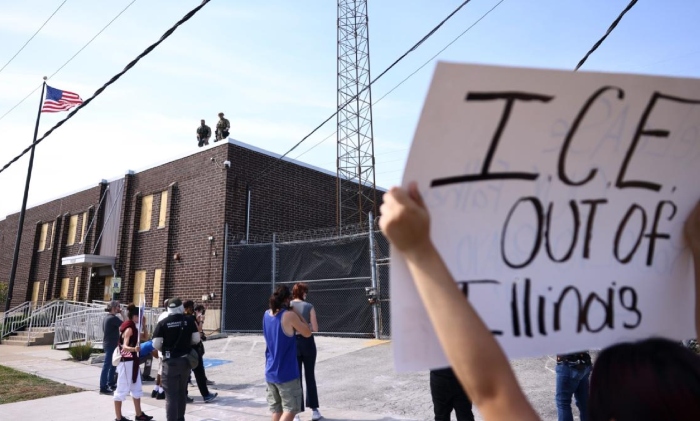
The brief detention of two U.S. citizens by Immigration and Customs Enforcement (ICE) in Minneapolis has intensified legal and civil liberties concerns over federal immigration enforcement practices, particularly the detention of individuals without charges and the treatment of detainees inside federal facilities.
Patty O’Keefe and Brandon Siguenza, both U.S. citizens, were taken into ICE custody earlier this month and later released without charges. In public interviews and a widely shared social media video, the pair described what they said were alarming conditions inside the detention center, including overcrowding, apparent psychological distress among detainees, and what they perceived as a stark disconnect between detainee suffering and the conduct of federal personnel.
Their accounts, first aired in an interview with KARE 11, have sparked renewed scrutiny of ICE’s authority to detain individuals during enforcement operations and the constitutional limits governing those actions.
Detention Without Charges
According to O’Keefe and Siguenza, neither was formally charged with a crime before being released. Legal experts note that while federal agents may briefly detain individuals under certain circumstances, prolonged detention without charges raises potential Fourth and Fifth Amendment concerns, particularly when U.S. citizens are involved.
Courts have consistently held that U.S. citizens are not subject to civil immigration detention. If confirmed, the detention of citizens without probable cause or timely judicial review could expose the federal government to civil rights litigation, including claims under Bivens or the Federal Tort Claims Act, depending on the facts.
Conditions Inside the Facility
In their statements, O’Keefe and Siguenza described hearing signs of acute emotional distress from other detainees and observing large holding areas occupied by dozens of people, many of whom appeared to be immigrants or members of racial and ethnic minority communities. They also reported seeing U.S. citizens among those held.
While ICE facilities are governed by federal detention standards, civil rights advocates argue that overcrowding, psychological harm, and prolonged uncertainty can amount to unconstitutional conditions of confinement if they rise to the level of punishment without due process.
Allegations of Improper Enforcement Conduct
O’Keefe and Siguenza stated they were told they were being detained for allegedly interfering with an investigation, an assertion they dispute. If federal agents lacked probable cause, legal analysts say the detentions could be challenged as unlawful seizures, particularly if individuals were merely observing or documenting law enforcement activity.
Broader Legal Implications
The incident comes amid heightened scrutiny of ICE operations in Minnesota and nationally. Civil liberties groups argue that cases involving U.S. citizens can serve as critical legal tests, as they remove immigration status from the equation and focus squarely on constitutional safeguards.
If O’Keefe and Siguenza pursue legal action, courts would likely examine:
- Whether ICE agents had lawful authority to detain them
- Whether the duration and conditions of detention were reasonable
- Whether federal officers violated clearly established constitutional rights
Any findings of misconduct could have implications beyond Minnesota, potentially shaping future litigation and oversight of ICE enforcement tactics.
Public Response and Calls for Accountability
The case has prompted renewed calls from community members and advocates for transparency and accountability in federal immigration enforcement. Commentators have emphasized that concerns about unlawful detention and due process transcend political affiliation, touching on fundamental constitutional protections.
As public attention grows, legal observers say the incident may become a focal point for broader debates over the scope of ICE authority and the rights of citizens and non-citizens alike during federal enforcement actions.