
immigration policy
-
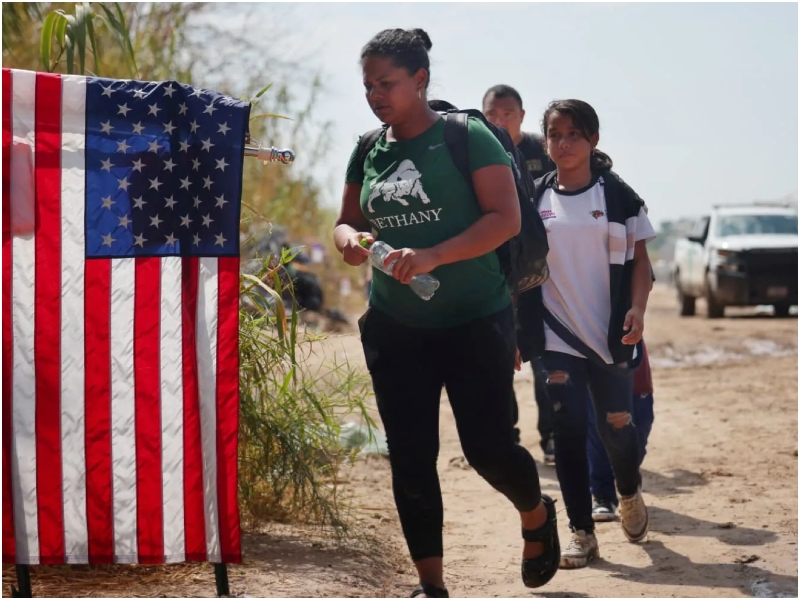
As immigration enforcement policies continue to evolve, an immigration advocate is warning immigrants against relying on social media, friends, or online forums for legal guidance, arguing that a single mistake can have life-altering consequences. In a recently shared video, the speaker cautioned that many people are unknowingly jeopardizing their immigration cases by following advice from…
-

A controversial immigration policy change that alarmed attorneys and adjustment-of-status applicants appears to have been quietly withdrawn, according to immigration lawyer and social media commentator Kinda Melissa Velloza, who said federal officials have resumed processing green card applications under existing procedures. In a video shared on Instagram, Velloza, who posts under the handle @immigrationlawyeru.s.a, claimed…
-
A newly announced immigration policy from the Department of Homeland Security and U.S. Citizenship and Immigration Services is raising alarm among immigration attorneys after federal officials signaled that many immigrants on temporary visas may now be required to leave the United States to complete the green card process abroad. According to new guidance issued May…
-
The U.S. Citizenship and Immigration Services (USCIS) has reduced the validity of employment authorization documents (EADs), or work permits, from five years to 18 months, a move aimed at increasing background checks and “vetting” of immigrants working in the United States. Immigration attorney Akua Poku of AK Poku Law, commenting on Instagram, described the change…
-

In a move that could reshape the foundations of American citizenship and ignite fierce political debates, the U.S. Supreme Court on December 5, 2025, agreed to hear challenges to President Donald Trump’s executive order limiting birthright citizenship under the 14th Amendment. While no oral arguments were scheduled that Friday, December 5, 2025, adhering to the…
-
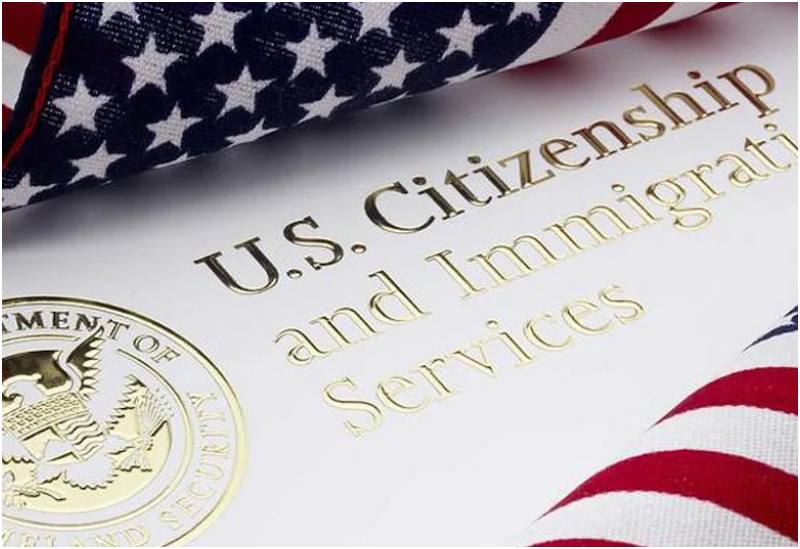
A newly introduced bill in the U.S. Senate is aiming to eliminate dual citizenship altogether, forcing millions of Americans with more than one nationality to make a historic, high-stakes choice. On December 1, 2025, Senator Bernie Moreno (R-Ohio) unveiled the Exclusive Citizenship Act of 2025, a proposal that would require Americans to hold only U.S.…
-
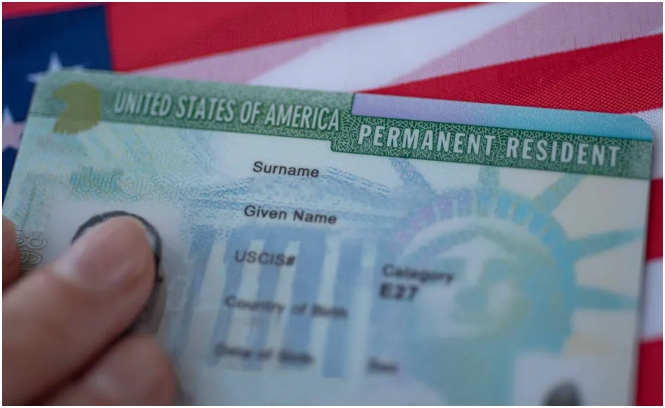
USCIS Begins Reexamining All Green Cards: Nationals from 19 Countries Face Tougher Background Checks
The U.S. government has issued a significant update to its immigration vetting practices — a change that could reshape how applicants from several countries are adjudicated. The U.S. Citizenship and Immigration Services (USCIS) announced new guidance on November 27, 2025, allowing officers to treat an applicant’s country of origin as a significant negative factor in…
-

Immigrants applying for U.S. visas could now be denied entry if they suffer from common health conditions such as diabetes, obesity, or heart disease, under a controversial new guidance issued by the Trump administration. The internal State Department memo, first reported by KFF Health News and later confirmed by ABC News, instructs embassy and consular…
-

The Trump administration has revoked the U.S. visa of Nigerian Nobel laureate Wole Soyinka, marking yet another instance in what legal analysts are calling an increasingly politicized use of immigration power. Soyinka, the first African to win the Nobel Prize in Literature in 1986, revealed the development during an event at Kongi’s Harvest Gallery in…
-
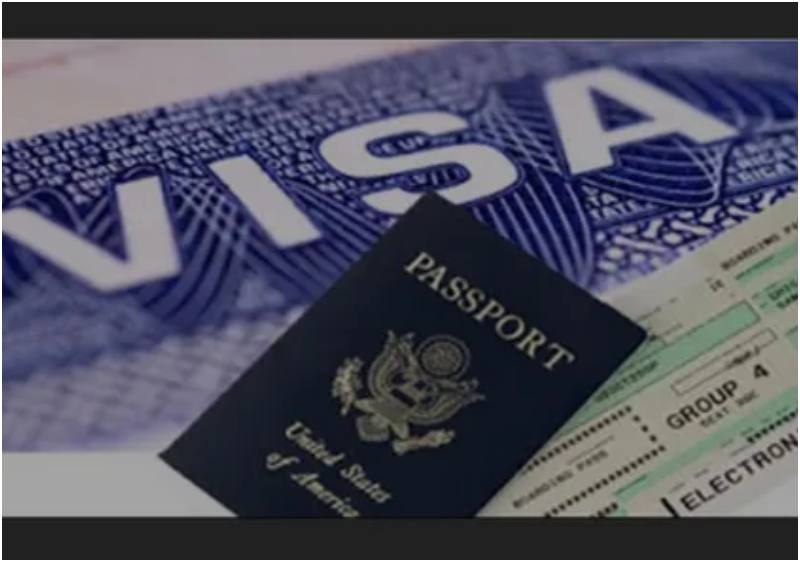
A significant change in U.S. immigration policy has taken effect, restricting where nonimmigrant visa applicants may apply. Beginning September 6, 2025, applicants must now submit their applications in their country of nationality or residence, ending decades of flexibility that allowed filings at any U.S. embassy or consulate worldwide. What Changed Previously, nonimmigrant visa applicants could…
Categories
About Us
Follow Us

Never miss a story
Get the latest news straight to your inbox.
Copyright 2025 American Law Reporter. All rights reserved.