
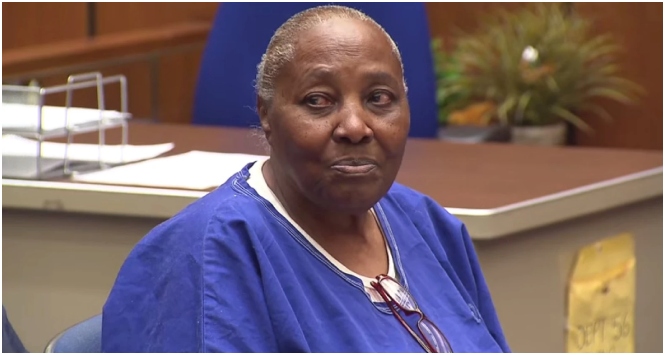
After more than three decades behind bars, 74-year-old Mary Virginia Jones has finally walked free, her wrongful conviction overturned after a long fight for justice.
Jones, often affectionately called “Mother Mary” by family and friends, was convicted in 1982 in connection with the fatal shooting of two drug dealers. The tragedy that bound her to prison for 32 years stemmed not from her own actions but from the violence of her abusive boyfriend, Mose Willis, who carried out the killings. Despite not pulling the trigger, Jones was sentenced to life in prison.
Her release in March 2014 marked a watershed moment in California’s criminal justice history. The decision came after tireless advocacy from the University of Southern California (USC) Gould School of Law’s Post-Conviction Justice Project (PCJP), which has long championed the rights of incarcerated survivors of domestic violence. Law students and faculty worked to highlight how Jones’ abusive relationship directly led to her coerced participation in the events that sealed her fate decades earlier.
When the Los Angeles Superior Court judge announced her release, the packed courtroom erupted into cheers and tears of joy. Family members who had waited decades for her return described it as nothing short of a miracle.
Jones’ case underscores the complexities of the justice system, particularly for women entangled in cycles of abuse. For legal scholars, it highlights enduring issues surrounding coercion, culpability, and the evolving recognition of domestic violence as a mitigating factor in criminal liability.
Her freedom not only restored her dignity but also served as a broader lesson in resilience and reform. For advocates, it was proof of what persistent legal work and systemic awareness can achieve.
For Jones, it meant reclaiming her life after a 32-year struggle against injustice.