
A new investigation by MSNBC and The Marshall Project is drawing renewed legal scrutiny to federal immigration detention practices after finding that hundreds of babies and toddlers have been held in U.S. Immigration and Customs Enforcement (ICE) custody since President Donald Trump returned to office in 2025.
According to an analysis of immigration records obtained through the Deportation Data Project, at least 500 children aged three and younger spent time in ICE detention between January 2025 and March 2026. The findings reveal a significant increase compared with the final year of former President Joe Biden’s administration.
Researchers found that, on an average day between January 2025 and March 2026, approximately 25 babies and toddlers were being held in ICE custody nationwide. During the previous 12-month period, fewer than three children in that age group were detained on an average day.
The investigation, reported by MSNBC anchor Jacob Soboroff in partnership with The Marshall Project, found that there was not a single day between March 2025 and March 11, 2026, when ICE custody records showed no children age three or younger in detention.
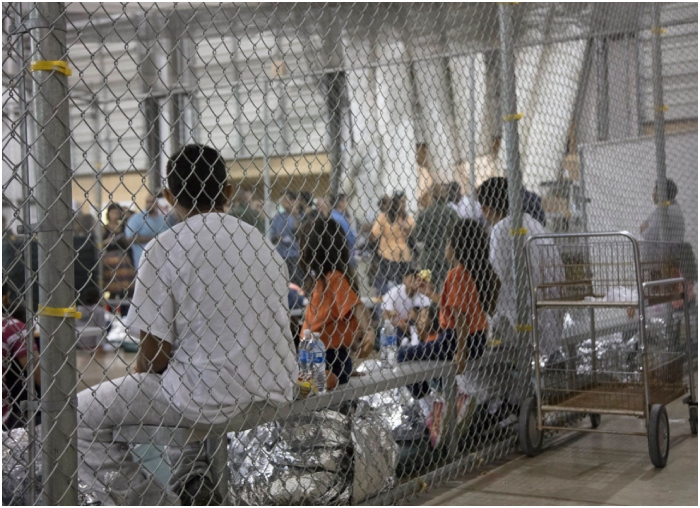
The report raises potential legal concerns regarding compliance with longstanding court-ordered protections governing the detention of immigrant children, including provisions of the Flores Settlement Agreement, which generally limits the length of time minors may be held in immigration detention facilities.
According to the investigation, ICE detained at least 175 babies and toddlers for periods exceeding 20 days during the first months of the Trump administration. By contrast, reporters found no documented cases of children three years old or younger being held beyond the 20-day threshold during the final year of the Biden administration.
Immigration attorneys and child welfare advocates have long argued that prolonged detention can have significant developmental consequences for young children, particularly infants and toddlers during critical stages of cognitive, emotional, and language development.
The report includes the account of a Russian family who said they fled political persecution linked to opposition to Russia’s war in Ukraine. The parents, identified as Alsu and Azat, told reporters they spent 118 days in detention with their young son, Amir, at the Dilley Detention Center in Texas.
According to the family, their son experienced developmental setbacks during his detention. They alleged that he went extended periods without proper food and that his language development slowed significantly while in custody.
The investigation also cites reports from multiple families who claimed that detained young children became ill, stopped eating, or engaged in self-harming behaviors while being held in immigration facilities.
The Department of Homeland Security declined to answer specific questions from reporters regarding individual allegations after journalists refused to provide identifying information about sources. However, DHS and ICE officials rejected broader criticisms of detention conditions, characterizing the allegations as “media lies” and maintaining that facilities are “safe, humane and family-friendly.”
CoreCivic, the private corporation that operates the Dilley detention facility, also defended its practices. In a statement, the company said it provides age-appropriate accommodations and supplies designed to support the health, safety, and well-being of infants and toddlers in its care.
The findings are likely to fuel ongoing legal and policy debates over family detention, the treatment of migrant children, and federal compliance with court-mandated protections governing the custody of minors. Immigration advocates have repeatedly challenged prolonged detention of young children in federal court, arguing that extended confinement can violate both constitutional protections and established settlement agreements intended to safeguard vulnerable minors.
As immigration enforcement remains a central issue in national politics, the new data is expected to intensify scrutiny of how the federal government balances border enforcement objectives with legal obligations toward children held in immigration custody.