
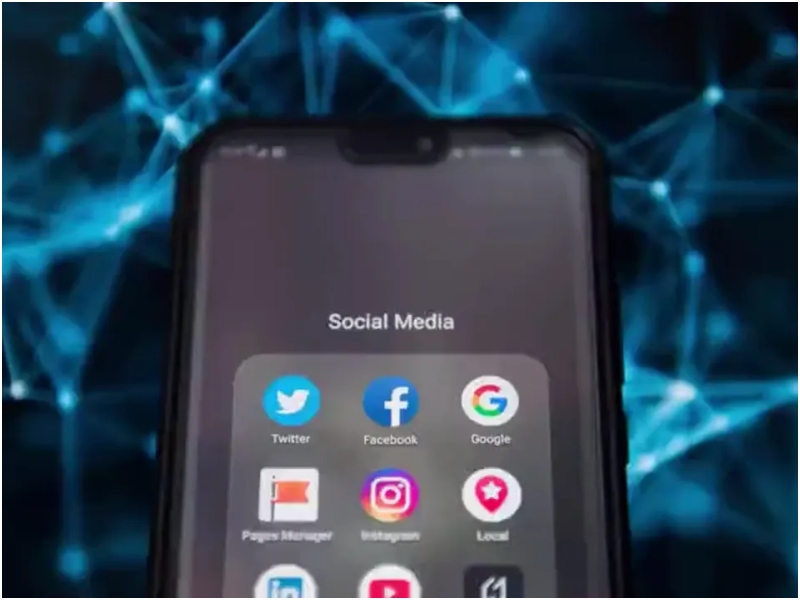
The United States government has implemented a new policy requiring visa applicants to make their social media profiles publicly accessible for vetting purposes.
Effective immediately, US embassies are demanding that individuals applying for select visa categories adjust their privacy settings on all social media platforms to “public” to facilitate identity verification and admissibility determinations.
Which Visas Are Affected?
According to guidance issued by the US embassy in Bangkok, Thailand – a policy expected to be rolled out across all US embassies worldwide – the following visa categories are subject to the new social media requirement:
- A3 (personal employees of diplomats)
- C3 (transit crew members)
- G5 (domestic employees of international organization staff)
- H3 (trainees)
- H4 (dependents of H visa holders)
- K1 (fiancé(e) visas)
- K2 (children of K1 applicants)
- K3 (spouses of US citizens)
- Q (cultural exchange participants)
- R1 and R2 (religious workers)
- ST (STEM exchange students)
- U non-immigrant visas (victims of crime)
The policy applies regardless of the applicant’s country of origin. Every person seeking to enter the US under any of these categories must comply.
Why the Change?
The new requirement is designed to facilitate vetting procedures necessary to establish an applicant’s identity and determine admissibility into the United States.
Immigration authorities have increasingly relied on social media screening as a tool to detect potential security risks, fraudulent claims, or connections to prohibited activities.
For visa applicants, this means that Facebook, Instagram, X (formerly Twitter), TikTok, LinkedIn, and other social media accounts must be set to public view – not just for the duration of the application process but for the entire period during which vetting occurs.
Legal and Privacy Concerns
The policy raises significant legal and privacy questions for Ghanaian applicants. However, US immigration law operates independently of foreign data protection frameworks, leaving applicants with a difficult choice: comply or forgo the visa application.
Legal experts note several areas of concern:
- Lack of notice: The policy appears to have been implemented without prior public notice or comment period.
- Retrospective scrutiny: Publicly accessible profiles may allow consular officers to review historical posts, including content predating the policy.
- Third-party exposure: Public profiles may reveal information about friends, family, or associates who have not consented to scrutiny.
- No clear appeal mechanism: It remains unclear whether an applicant can challenge an adverse determination based on social media content.
Practical Implications
For the thousands of applicants who apply for US visas annually – particularly K1 fiancé(e) visas, H3 trainee visas, and Q cultural exchange visas – the new requirement demands immediate attention.
Applicants should:
- Review all existing social media content for any posts that could be misinterpreted or viewed unfavorably by consular officers.
- Adjust privacy settings on all platforms to public before submitting visa applications.
- Be aware that deleted content may still be accessible through archives or third-party platforms.
- Consider professional legal advice before applying, particularly for applicants with complex social media histories.
A Global Policy with Local Impact
While the initial announcement came from the US embassy in Bangkok, immigration attorneys expect the policy to be uniformly applied across all US diplomatic posts.
US visa applicants are advised to monitor official communications from the embassy and consult with qualified immigration attorneys before submitting applications.
What US Immigration Law Says
Under the Immigration and Nationality Act (INA), consular officers have broad discretion to determine visa admissibility. Section 212(a) of the INA lists numerous grounds of inadmissibility, including security-related concerns, terrorist activities, and misrepresentation.
Social media screening has become an increasingly common tool for consular officers to identify potential grounds of inadmissibility that might not appear in formal background checks. The new policy formalizes what has been an informal practice at many embassies.
Advice for Applicants
Immigration attorneys advise visa applicants to:
- Assume all social media activity is reviewable, even if privacy settings are later adjusted.
- Avoid posting content that could be construed as threatening, extremist, or fraudulent.
- Be consistent between social media profiles and visa application materials.
- Seek legal counsel if there is any concern about past social media activity.
Disclaimer: This article is for informational purposes only and does not constitute legal advice. Individuals with specific questions about US visa applications should consult a qualified immigration attorney.