
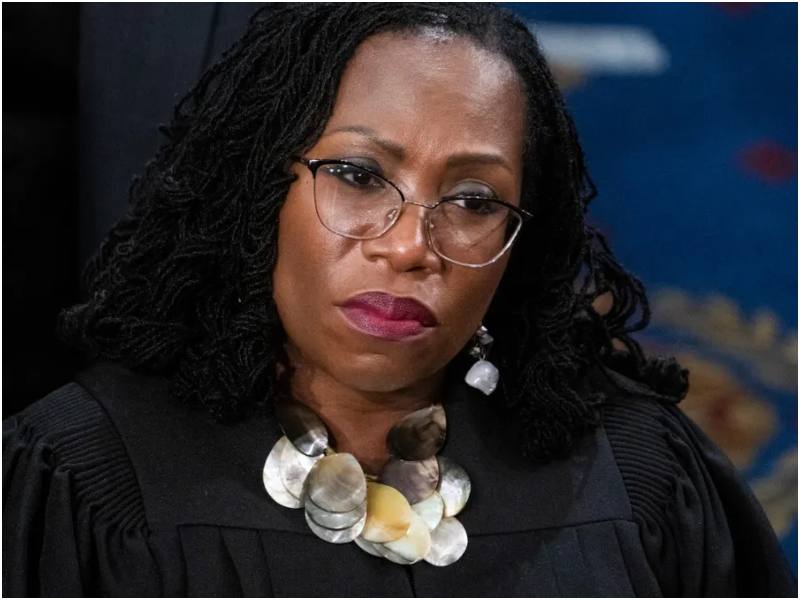
A sharply divided ruling by the U.S. Supreme Court on the constitutionality of a state ban on conversion therapy for minors has ignited legal and medical debate, with Justice Ketanji Brown Jackson warning the decision could have far-reaching consequences for the U.S. healthcare system.
In a decision issued Tuesday, the Court sided with a Christian therapist who challenged Colorado’s Minor Conversion Therapy Law, ruling that its application in her case violated the First Amendment. The majority opinion, authored by Justice Neil Gorsuch, concluded that the law improperly restricted speech between licensed professionals and their minor clients.
Majority: Law Regulates Speech, Not Conduct
Writing for the majority, Gorsuch argued that the therapist’s work constituted protected speech rather than regulated medical conduct.
“The State’s law… regulates what she may say,” Gorsuch wrote, rejecting the argument that therapeutic conversations could be classified as conduct simply because they occur in a clinical setting.
The Court’s ruling emphasized that even controversial or unpopular professional speech remains protected under the First Amendment, warning against government overreach in regulating viewpoints within therapeutic settings.
Jackson’s Lone Dissent
Justice Jackson stood as the sole dissenter, sharply criticizing the ruling as “baffling” and “dangerous.” She argued that the decision undermines states’ ability to protect minors from harmful medical practices.
Citing scientific research, Jackson maintained that conversion therapy has been shown to cause harm, particularly among young people, and that states have a legitimate interest in regulating licensed professionals.
“We are on a slippery slope now,” Jackson wrote, warning that the ruling could open the door for healthcare providers to deliver substandard or harmful treatments under the protection of free speech.
She added that the decision could ultimately weaken regulatory oversight in healthcare, raising concerns about patient safety and professional accountability.
Unusual Alignment Among Justices
Notably, liberal justices Sonia Sotomayor and Elena Kagan joined the majority, agreeing that Colorado’s law constituted viewpoint-based regulation of speech.
However, they acknowledged that a differently structured law—one that is content-based but viewpoint-neutral—might present a more complex constitutional question.
Broader Legal and Policy Implications
The case was backed by the Alliance Defending Freedom, which argued that the law unfairly restricted voluntary conversations between therapists, minors, and their families.
Supporters of the ruling hailed it as a victory for free speech and parental rights. Critics, however, warn it could limit states’ ability to enforce professional standards in healthcare, particularly in areas involving vulnerable populations.
Legal experts say the decision may have implications beyond conversion therapy, potentially affecting how courts view regulations on professional speech across medical and psychological fields.
Ongoing Debate
The ruling arrives amid ongoing national debates over the balance between free speech protections and public health regulations. As states continue to pass laws addressing medical practices involving minors, the Court’s decision is likely to influence future legal challenges.
Justice Jackson’s dissent encapsulates the stakes, demonstrating that the case is not just a constitutional matter, but one that could shape the future of healthcare oversight in the United States.