
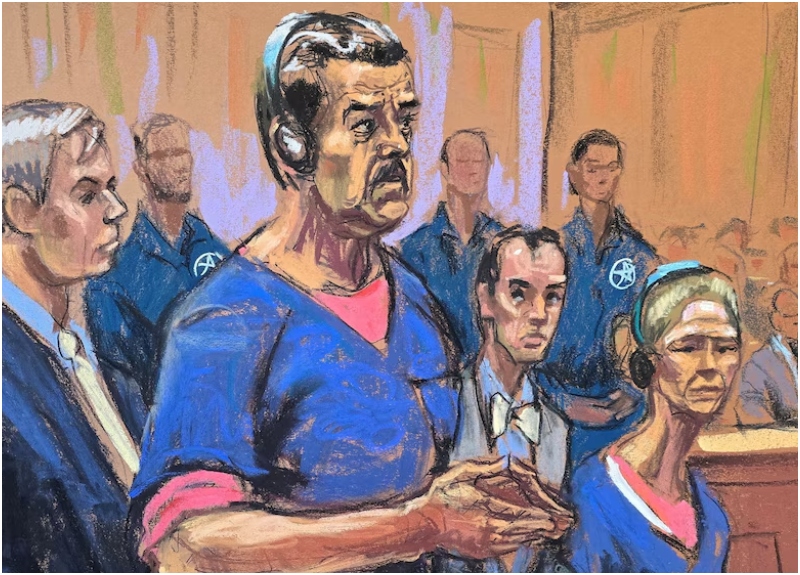
Nicolás Maduro and his wife, Cilia Flores, made their first return to federal court since their January arraignment, as a U.S. judge weighed key legal disputes surrounding their high-profile drug trafficking case.
The hearing, held Thursday, March 26, 2026, in Manhattan before Alvin Hellerstein, centered on whether charges against the couple should be dismissed and whether they can access Venezuelan government funds to finance their legal defense.
Judge Rejects Immediate Dismissal of Charges
Judge Hellerstein declined to dismiss the indictment at this stage, signaling that the case will proceed while leaving open the possibility for future legal challenges.
Maduro and Flores face charges including drug trafficking and narco-terrorism, allegations tied to claims they facilitated large-scale cocaine shipments into the United States. Both defendants have previously pleaded not guilty.
If convicted, they could face life imprisonment.
Dispute Over Legal Defense Funding
A central issue during the hearing was whether Maduro can use Venezuelan state funds to pay his attorneys. His legal team argued that blocking access to those funds violates his constitutional right to adequate legal representation.
However, federal prosecutors countered that allowing such funds would undermine longstanding U.S. sanctions imposed on Venezuela.
Judge Hellerstein openly questioned the government’s position, noting shifting diplomatic dynamics between the U.S. and Venezuela.
“The current paramount goal and need and constitutional right is the right to defense,” Hellerstein said, suggesting the legal justification for blocking funds may need reconsideration.
Despite these concerns, the judge did not issue a ruling on the matter and indicated a decision would come at a later date.
Courtroom and Security Developments
During the proceedings, both Maduro and Flores appeared in custody, having been held under special administrative measures at a federal detention facility in Brooklyn since their January arrest.
At one point, the judge admonished defense counsel for referring to Flores as “first lady,” stating that no titles would be recognized in court.
As the hearing concluded, Maduro made a brief gesture to supporters, raising two fingers in a “V” sign—a symbol associated with his political movement.
Protests Outside the Courthouse
The court appearance drew demonstrators on both sides of the case. Supporters rallied in solidarity with Maduro, while critics called for his conviction.
The polarized response reflects broader geopolitical tensions surrounding the case, which has drawn international attention.
Trump Administration Weighs In
Speaking during a Cabinet meeting, Donald Trump said he expects additional charges could be brought against Maduro, describing him as a major figure in international drug trafficking.
Trump also stated that Maduro would receive a fair trial under the U.S. legal system.
What Comes Next
No trial date has been set, and Maduro’s legal team may renew its motion to dismiss depending on future rulings regarding defense funding.
The case is expected to continue addressing complex issues involving constitutional rights, international law, and U.S. sanctions policy.