
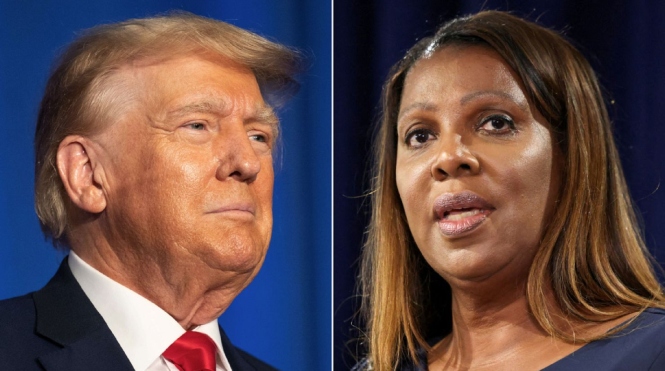
Fresh criminal referrals submitted by a senior Trump administration official have reignited legal tensions surrounding New York Attorney General Letitia James, despite the prior dismissal of a federal case against her.
Bill Pulte, Director of the Federal Housing Finance Agency, this week sent formal referrals to federal prosecutors in the Southern District of Florida and the Northern District of Illinois, alleging potential instances of homeowner’s insurance fraud involving James.
According to sources cited in multiple reports, the referrals claim James may have provided inaccurate or falsified information on insurance applications submitted to two separate companies—one based in Florida and another in Illinois. The letters request that prosecutors review the matter for possible criminal violations.
The development comes amid a broader and highly publicized legal dispute between James and President Donald Trump. James previously secured a civil fraud ruling against Trump and his business entities, though the financial judgment in that case was later overturned on appeal.
In a statement posted on Truth Social, Trump said James had been “referred again for criminal prosecution,” underscoring the ongoing political dimension of the dispute.
James’ legal team, however, has strongly contested the legitimacy of the referrals. Her attorney, Abbe Lowell, characterized the move as an attempt to revive previously rejected claims.
“Renaming, refiling, and repeating baseless allegations does not create a viable case,” Lowell said, arguing that the referrals reflect an improper use of federal authority for political ends.
From a legal standpoint, the referrals themselves do not initiate charges but instead serve as a request for prosecutorial review. Federal prosecutors retain full discretion to determine whether the allegations warrant investigation or indictment.
The renewed scrutiny follows the dismissal of an earlier federal indictment accusing James of bank fraud and making false statements related to a mortgage application. That case was thrown out by a federal judge on procedural grounds tied to the appointment of the interim U.S. attorney who brought the charges. Subsequent attempts to revive the case failed, with two federal grand juries declining to issue indictments.
Legal experts note that the emergence of new theories—such as alleged insurance fraud—may reflect an effort to pursue alternative avenues of liability. However, any future prosecution would still require substantiated evidence meeting federal criminal standards, including proof of intent and material misrepresentation.
The matter also raises broader constitutional and institutional questions regarding the use of executive branch agencies in referring cases involving elected state officials, particularly where prior proceedings have been unsuccessful.
As of now, there has been no public indication that prosecutors in either jurisdiction have opened formal cases based on the referrals. The situation remains in a preliminary stage, with any potential legal action dependent on independent review by the respective U.S. Attorney’s Offices.