
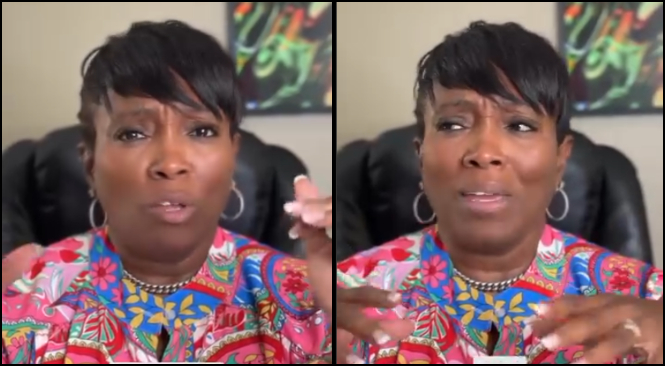
A legal professional is cautioning the public about the serious and often irreversible consequences of reporting domestic violence incidents, explaining that once law enforcement is involved, the legal process may proceed regardless of a caller’s later intentions.
Attorney Stephanie Lindsey, known online as @attorneystephanie, issued the warning in a widely circulated social media post, urging individuals to carefully consider the implications before contacting police during domestic disputes.
“Please take calling the police seriously when it comes down to an allegation of domestic violence,” Lindsey said, noting that what may begin as a heated argument can quickly escalate into a criminal matter once authorities are notified.
Prosecutorial Discretion Limits Victim Control
According to Lindsey, one of the most critical misunderstandings surrounding domestic violence cases is the belief that the reporting party can later “undo” the situation.
“The law allows for prosecutors to take that case up on their own without your assistance,” she explained. “You actually can proceed forward with a domestic violence case under certain circumstances without the victim.”
Legal experts note that in many jurisdictions, domestic violence cases are prosecuted by the state, not the individual complainant. As a result, once probable cause is established—based on officer observations, physical evidence, or statements—charges may be filed even if the alleged victim later declines to cooperate.
Arrests and Collateral Consequences
Lindsey highlighted that law enforcement officers are often required to act decisively when responding to domestic violence calls, even in situations where the conduct may appear minor.
“If you touch somebody… that individual can call the police,” she said. “The police can get involved and… the law requires them to take these things seriously.”
She recounted a case in which a woman sought legal advice after calling the police during an argument with her boyfriend. The man was subsequently arrested and detained due to a probation violation triggered by the new allegation.
“They are keeping him in custody while he has this case pending,” Lindsey said, underscoring how even a single call can lead to extended detention and additional legal exposure.
Distinguishing Genuine Threats from Misuse
While emphasizing the gravity of legal consequences, Lindsey also stressed that individuals facing genuine danger should not hesitate to seek help.
“If you’re in a real situation where you are in fear of being hurt… without a doubt you call,” she said.
However, she warned against using law enforcement as leverage in interpersonal conflicts, particularly during emotionally charged disputes.
“If you’re just calling to play games… it’s not worth it,” she added. “In the end, you’re going to lose.”
Broader Legal Implications
The advisory highlights ongoing legal and policy considerations surrounding domestic violence enforcement, including mandatory arrest policies, victimless prosecutions, and the balance between protecting victims and preventing misuse of the system.
Legal analysts say the issue underscores the importance of public awareness regarding how criminal justice systems handle domestic violence allegations—particularly the limited ability of individuals to halt proceedings once initiated.