
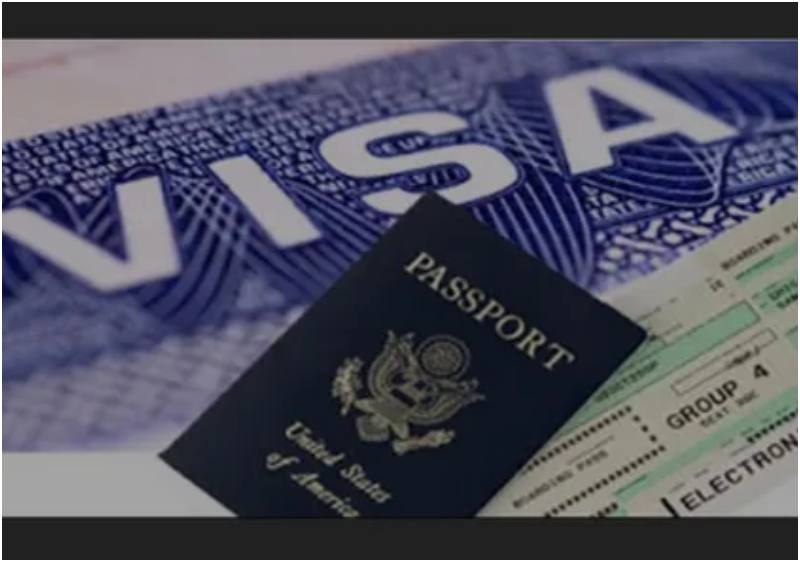
The U.S. government will revive the long-running Diversity Immigrant Visa program—commonly known as the Green Card lottery—with new eligibility requirements aimed at strengthening identity verification and reducing fraud.
According to a notice published in the Federal Register by the U.S. Department of State, the Diversity Visa (DV) Program is expected to reopen with updated rules that will apply to future lottery cycles. The program annually allocates up to 55,000 immigrant visas to individuals from countries with historically low levels of immigration to the United States.
New Passport Requirement
The most significant regulatory change requires applicants to possess a valid, unexpired passport at the time of registration and upload a scan of the passport’s biographic page with their entry.
Previously, applicants could submit lottery entries using basic personal details such as name, email address, country of residence, and education information without providing passport documentation.
The State Department said the rule change is designed to “prevent fraud and improve the integrity of the program.” Officials reported that during the DV-2025 cycle, investigators identified approximately 2.5 million fraudulent applications submitted through third-party intermediaries or fraudulent schemes.
The regulation also updates terminology used in application forms, replacing the words “gender” with “sex” and “age” with “date of birth” to align with other parts of the immigrant visa application process.
Program Timeline and Process
Despite the new identity verification requirement, the program’s core structure will remain largely unchanged.
Registration for the lottery is expected to continue taking place during the month of October, and entering the lottery remains free. Individuals selected through the random draw must still complete additional immigration procedures, including:
- Submitting supporting documentation for a permanent residency application
- Undergoing background and security checks
- Attending an in-person interview at a U.S. embassy or consulate in their country of residence
Only a limited number of applicants—up to 55,000 each fiscal year—ultimately receive permanent resident visas through the program.
Criticism and Access Concerns
The revised passport requirement has drawn criticism from some immigration experts and advocacy groups, who argue it may create barriers for potential applicants in countries where obtaining travel documents can take months or involve significant costs.
Critics say the requirement could disproportionately affect individuals in parts of Africa and Asia where passport processing systems are slower or less accessible.
Supporters of the change, however, contend that stricter identity verification is necessary to reduce fraud and ensure that the program benefits legitimate applicants rather than criminal networks or fraudulent agents.
Broader Policy Context
The Diversity Visa program has long been a subject of debate in U.S. immigration policy. Created by Congress in 1990, the program aims to diversify the immigrant population by granting visas to applicants from countries that send relatively few migrants to the United States.
While the program remains authorized under federal law, it has periodically faced administrative pauses, legal challenges, and policy revisions as successive administrations have sought to tighten immigration screening or modify application procedures.
The latest regulatory changes signal a renewed effort by federal officials to maintain the program while strengthening identity verification and oversight mechanisms.