
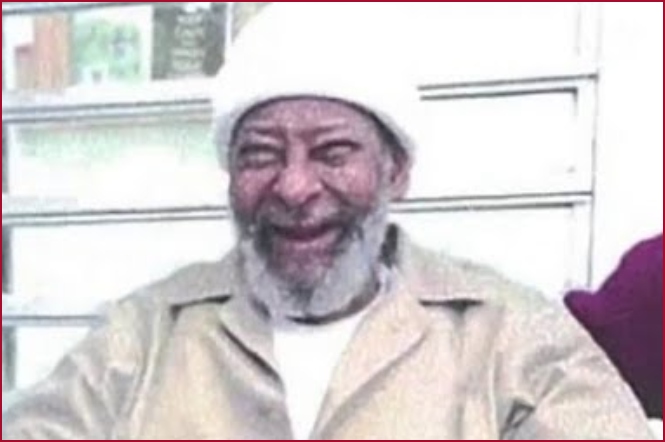
The commutation of the death sentence of Alabama death row inmate Charles ‘Sonny’ Burton has halted his scheduled execution, but legal experts say the decision now shifts his case into a different phase of the criminal justice process.
On Tuesday, March 11, 2026, Alabama Governor Kay Ivey exercised her executive clemency powers to commute Burton’s death sentence to life imprisonment without the possibility of parole, preventing an execution that had been scheduled to take place by nitrogen gas later this week.
The case stems from a 1991 robbery at an AutoZone store in Talladega, Alabama, during which customer Doug Battle was shot and killed. While Burton participated in the robbery, authorities acknowledged he did not fire the fatal shot.
The shooter, Derrick DeBruce, was initially sentenced to death but later had his sentence reduced to life in prison after an appeals court found he had received ineffective legal counsel. DeBruce died in prison in 2020.
Why the Sentence Was Commuted
In her statement, Ivey said she could not allow Burton’s execution to proceed given the disparity between the sentences of the two men involved.
“I cannot proceed in good conscience with the execution of Mr. Burton under such disparate circumstances,” Ivey said, noting that Burton did not shoot the victim, did not order the killing, and had already left the store before the shooting occurred.
The decision came despite the governor previously stating she had no plans to grant clemency after the Alabama Supreme Court authorized the execution earlier this year.
What the Commutation Means Legally
Because the sentence was commuted rather than overturned, Burton’s conviction for capital murder remains intact. However, the death penalty component of the sentence has been permanently replaced with life imprisonment without parole.
Legal analysts note that executive clemency is one of the few mechanisms available to alter a death sentence once appeals have been exhausted.
Burton’s attorney, Matt Schultz, said the governor’s decision reflected the purpose of clemency powers: correcting outcomes that appear disproportionately severe.
What Happens Next for Burton
With the commutation now in effect, Burton will remain in the custody of the Alabama Department of Corrections as a life-without-parole inmate rather than a death row prisoner.
Several key changes typically follow a commuted sentence:
1. Removal from Death Row
Burton will likely be transferred from Alabama’s death row facility to the general prison population designated for inmates serving life sentences without parole.
2. End of Execution Litigation
Legal proceedings related specifically to Burton’s execution—such as challenges to Alabama’s nitrogen gas execution protocol—will effectively end because the state no longer has authority to carry out the death penalty in his case.
3. Limited Remaining Appeals
Although his death sentence has been commuted, Burton may still pursue legal motions related to his conviction, including potential post-conviction relief claims. However, such challenges face high legal hurdles after decades of prior appeals.
4. No Possibility of Parole
Unlike a sentence reduction to life with parole, the governor’s decision ensures Burton will remain incarcerated for the remainder of his life unless another form of clemency is granted in the future.
Continuing Debate Over Felony Murder and Capital Punishment
Burton’s case has also renewed debate about the use of the death penalty under the legal doctrine known as the Felony murder rule, which allows participants in certain crimes to be charged with murder if a death occurs during the commission of the offense—even if they did not directly cause the killing.
Critics argue such cases can lead to disproportionate sentencing outcomes when accomplices receive harsher punishment than the individual who committed the killing.
Supporters of the death penalty, including Steve Marshall, criticized the commutation, saying Burton had already been convicted by a jury and his sentence upheld through years of appeals.
Meanwhile, some lawmakers and activists praised the decision, saying it demonstrated the role of executive clemency as a safeguard within the criminal justice system.
For Burton, the governor’s decision closes the chapter on a decades-long fight to avoid execution—but it also confirms that he will spend the rest of his life in prison.