
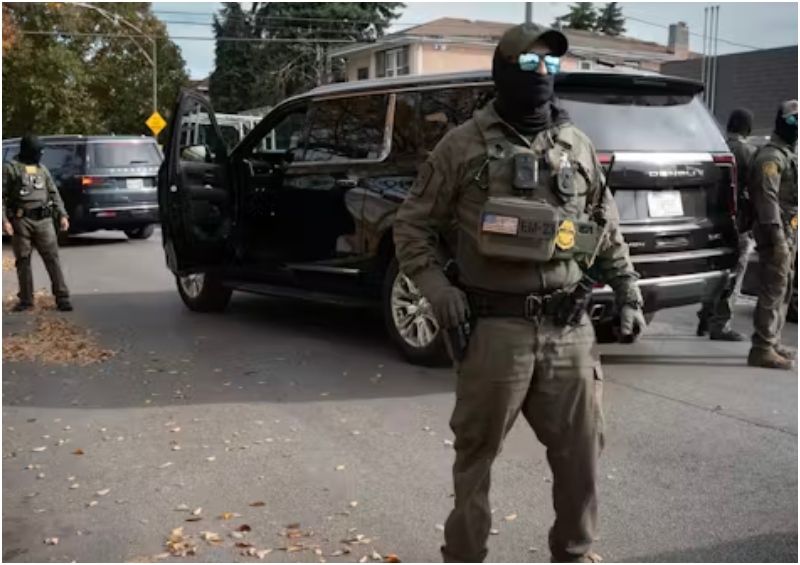
A leaked Department of Homeland Security (DHS) memo disclosed by a whistleblower on January 7, 2026, is prompting alarm among immigration attorneys and civil liberties advocates after claims that it authorizes U.S. Immigration and Customs Enforcement (ICE) agents to enter private homes without consent and without a judge-issued warrant.
The memo was publicly highlighted by U.S.-based immigration attorney Akua Poku in a widely shared Instagram post (@american.immigration.lawyer), where she warned that the policy represents a significant departure from long-established constitutional protections governing searches of private residences.
According to Poku, the DHS memo instructs ICE agents that they may rely solely on an administrative immigration warrant (Form I-205)—a document issued internally by ICE rather than signed by a judge—to enter a home. For decades, courts have consistently held that such administrative warrants do not authorize nonconsensual entry into a private residence.
“This memo changes that,” Poku said in an accompanying video. “ICE agents have now been told they can come to your door, knock, announce themselves, and if you refuse entry, they may use necessary and reasonable force to enter your home—even without a judge’s approval.”
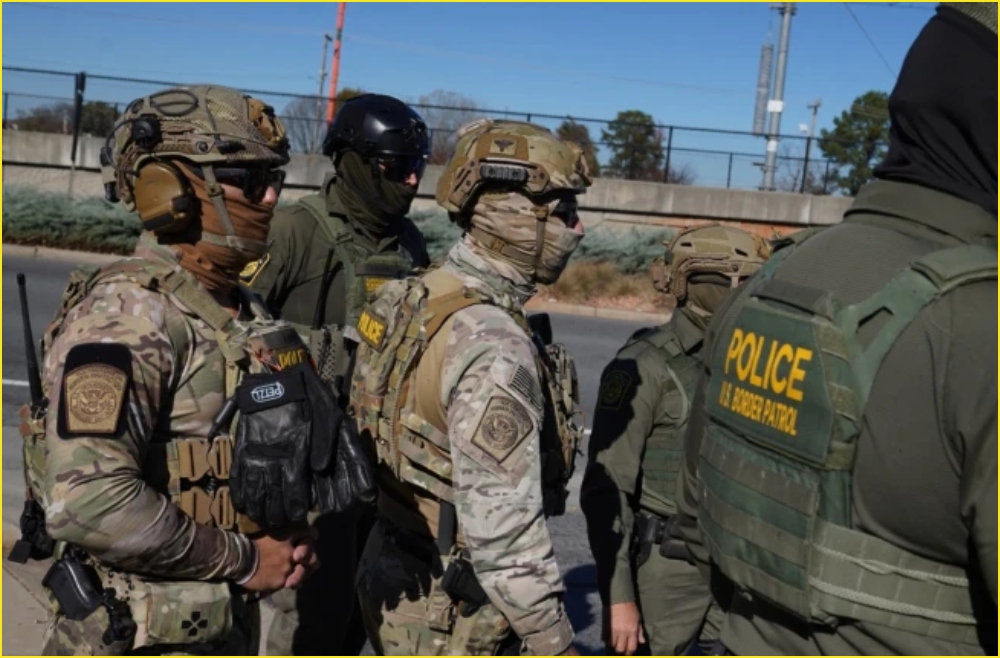
Constitutional implications
Legal experts say the alleged policy directly implicates the Fourth Amendment, which protects against unreasonable searches and seizures. The U.S. Supreme Court has repeatedly emphasized that the home occupies the highest level of constitutional protection, describing physical entry into a residence as “the chief evil” against which the Fourth Amendment is directed.
Under established constitutional doctrine, government agents may lawfully enter a home only if one of three conditions exists:
- A judge-signed warrant,
- Voluntary consent from an occupant, or
- A true exigent circumstance, such as an emergency involving imminent danger.
An administrative immigration warrant satisfies none of those conditions, according to longstanding case law.
Risk of mistaken entries
The DHS memo reportedly states that the policy is intended to facilitate the arrest of individuals with final orders of removal. However, critics warn that the practical consequences extend far beyond that narrow group.
Poku noted that ICE often relies on databases and address records that may be outdated, incomplete, or inaccurate. The memo itself, she said, acknowledges prior incidents in which ICE agents entered the wrong homes, including cases involving U.S. citizens who were mistakenly detained or whose residences were improperly searched.
“This policy doesn’t just affect people with deportation orders,” she said. “It affects everyone in the United States.”
Broader legal and public safety concerns
Civil liberties advocates argue that the memo, if implemented as described, could invite constitutional challenges and suppression of evidence in removal proceedings. It may also expose the federal government to civil liability under Bivens actions or the Federal Tort Claims Act.
Poku further warned that confusion over constitutional rights could escalate into dangerous confrontations. In a country where firearm ownership is constitutionally protected, uncertainty about the legality of government entry into homes may increase the risk of violent encounters between residents and law enforcement.
As of publication, DHS and ICE have not publicly confirmed or denied the authenticity of the memo or responded to requests for comment. Legal observers say clarification from the agency will be critical as courts, attorneys, and affected communities assess the scope and legality of the reported policy.