
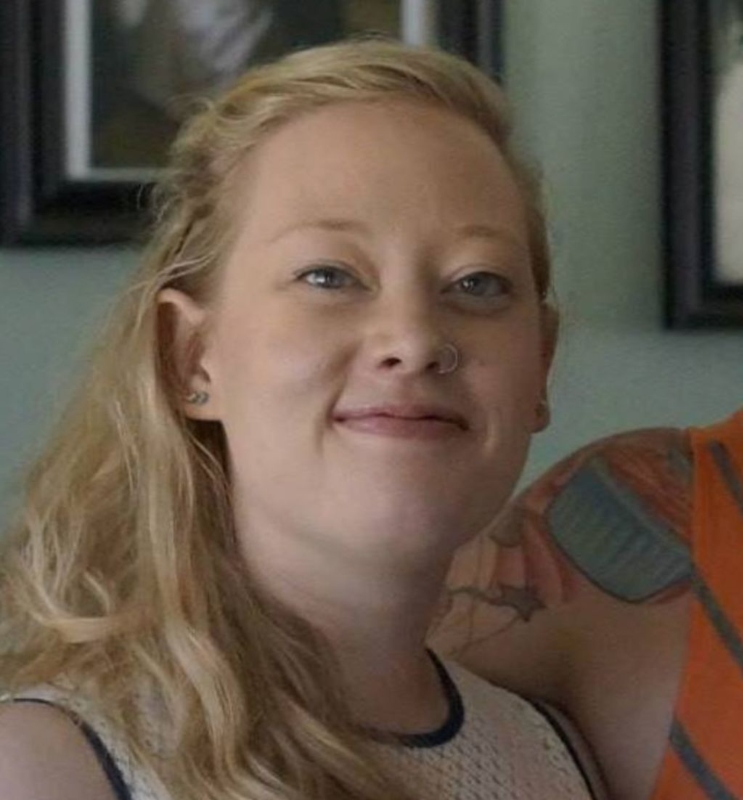
The fatal shooting of Renee Nicole Good, a 37-year-old U.S. citizen and mother of three, by a U.S. Immigration and Customs Enforcement (ICE) agent in Minneapolis on January 7, 2026, has sparked intense legal, political and social upheaval — raising fundamental questions about federal law enforcement powers, use of force, and federal-state relations.
What Happened: The Incident
Good, a poet, writer, and devoted parent, was shot and killed by ICE officer Jonathan E. Ross, a 10-year veteran of the agency’s special response team, during a large federal immigration enforcement operation in Minneapolis. Video footage and witness accounts show masked federal agents confronted Good’s vehicle on a residential street after she had dropped her 6-year-old child at school. As the vehicle began to move, a federal agent fired multiple shots into her car, fatally wounding her.
Federal officials, including Homeland Security Secretary Kristi Noem and Vice President J.D. Vance, defended the shooting as necessary self-defense, with the Department of Homeland Security (DHS) characterizing Good’s actions as an “act of domestic terrorism.” However, viral video appears to contradict the official narrative, showing Good’s vehicle turning away from officers at the time of the shooting.
Jurisdiction and Investigation Clash
Shortly after the incident, the Federal Bureau of Investigation (FBI) assumed exclusive control of the investigation, revoking access previously granted to the Minnesota Bureau of Criminal Apprehension (BCA). Local officials have condemned this move, stating that the decision undermines transparency and accountability, and prevents a truly independent inquiry into the death of an unarmed U.S. citizen.
Legal experts say the conflict between federal and state authority underscores a broader constitutional tension: whether a federal officer acting under federal orders can be scrutinized under state criminal law for excessive use of force, and whether state prosecutors can bring charges if federal investigators block access to evidence. (
Public Backlash and Protest
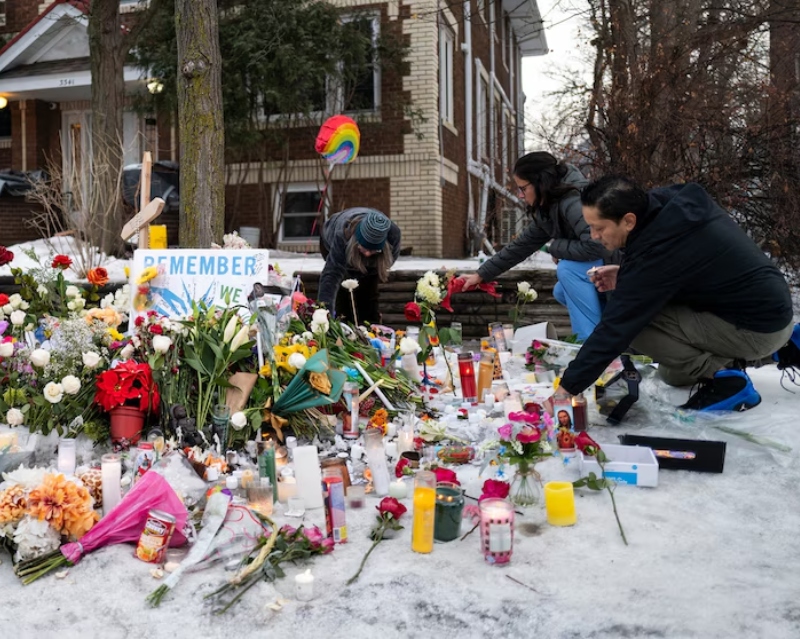
The shooting has sparked widespread public outrage and protests in Minneapolis and across the country. Thousands have taken to the streets to mourn Good and demand accountability, while others argue for broader reforms to federal immigration enforcement tactics. Vigil events and demonstrations are ongoing, and several civil rights groups have called for independent federal investigations.
Good’s family, friends, and community members have described her as a compassionate, loving person who was acting reasonably given the circumstances, challenging assertions that her behavior justified deadly force.
Political and Legal Responses
The aftermath has sharply divided political leaders:
- Minnesota officials, including Governor Tim Walz and Minneapolis Mayor Jacob Frey, have strongly criticized the federal response, arguing that video evidence contradicts claims of self-defense and calling for a more transparent review.
- Democratic lawmakers in Congress are threatening to withhold funding from the Department of Homeland Security unless sweeping reforms are enacted, including stricter limits on ICE operations and requirements for warrants or bans on certain federal enforcement tactics.
- Some national commentators and media figures have framed the shooting as legally defensible under current statutes governing law enforcement use of force, even as they acknowledge humanitarian concerns.
Legal Issues at the Core
The case highlights several ongoing legal debates:
• Federal vs. State Jurisdiction:
The FBI’s takeover and exclusion of state investigators raises questions about state authority to pursue its own criminal investigations of federal agents, particularly in use-of-force cases.
• Use of Force Standards:
Experts have questioned whether the tactical decisions made during the enforcement operation aligned with established law enforcement protocols, especially shooting at a moving vehicle when less lethal alternatives may have existed.
• Accountability and Transparency:
Calls for full public release of video footage and body camera recordings are intensifying. Legal advocates argue that transparency is essential for public trust and legitimate adjudication of whether constitutional rights were violated.
• Immigration Enforcement Policy:
The incident has reopened debate over the scope and scale of ICE’s domestic enforcement operations, especially in communities that object to heavy federal policing.
Where Things Could Go Next
• Federal Investigative Outcome:
The FBI’s role will determine the initial legal roadmap. A conclusion that the agent acted lawfully could prevent state charges, but could intensify demands for federal reform.
• Civil Litigation:
Good’s family may pursue wrongful death or civil rights lawsuits against the federal government, potentially raising constitutional claims under the Fourth Amendment. Qualified immunity and federal actor defenses will be central legal battlegrounds.
• Legislative Action:
Growing calls from Democratic lawmakers to restrict ICE authorities and redefine use-of-force standards may lead to legislative proposals, potentially tied to broader DHS funding negotiations.
• Policy Reforms:
Public pressure and national attention could accelerate changes to federal enforcement training, oversight, and the scope of federal immigration operations in domestic cities.