
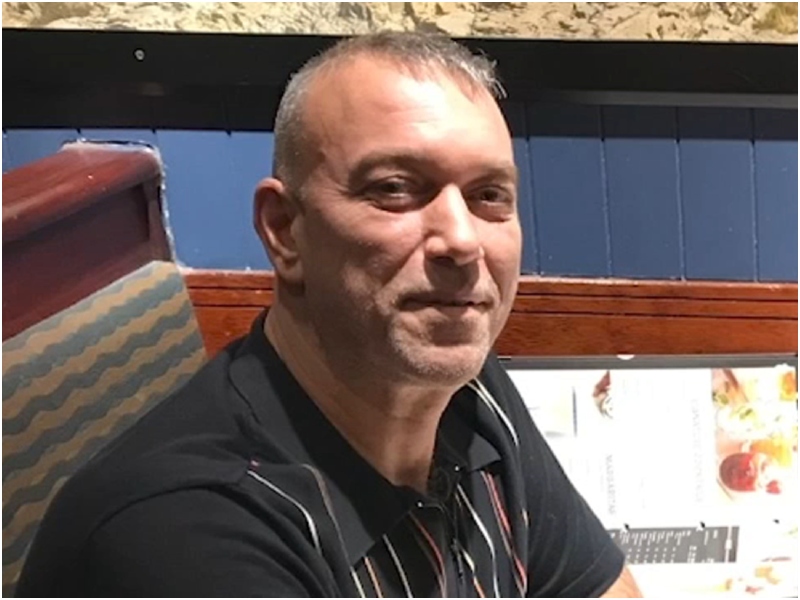
A 56-year-old Bulgarian-born business owner from Chicago has died while in the custody of U.S. Immigration and Customs Enforcement (ICE), intensifying scrutiny of medical care, detention conditions, and due process within the U.S. immigration enforcement system.
Nenko Gantchev died last week at the North Lake Correctional Facility in Baldwin, Michigan, a privately run prison contracted by ICE to hold immigration detainees from the Chicago area. The Department of Homeland Security (DHS) has said his death is suspected to be from natural causes, but confirmed that the official cause remains under investigation.
The death has triggered calls from lawmakers and immigrant rights advocates for an immediate and transparent federal investigation, particularly amid allegations that Gantchev repeatedly sought medical assistance in the days and weeks before he died.
Lawmakers Demand Accountability
U.S. Representative Delia Ramirez of Illinois called for an “immediate, transparent investigation into the circumstances of Mr. Gantchev’s death,” citing reports from other detainees that he requested medical help that was not provided in time.
Ramirez noted that at least 30 people have died in ICE detention facilities so far this year, making 2025 the deadliest year on record for immigrants in ICE custody, according to advocacy groups tracking such deaths.
“This is not an isolated incident,” Ramirez said in a statement. “It reflects systemic failures in detention oversight, medical care, and accountability.”
Health Concerns and Detention Conditions
Gantchev’s wife, a U.S. citizen who requested anonymity over fear of retaliation, said her husband’s health deteriorated significantly during his detention. Gantchev had type 2 diabetes and allegedly did not receive medically appropriate meals or consistent care while held at North Lake.
Friends and family say they were forced to send money so Gantchev could purchase food from the facility commissary to help manage his blood sugar levels. They also reported that stress from prolonged detention worsened his condition.
According to ICE, Gantchev was found unresponsive on the floor of his cell during routine checks. Facility medical staff attempted resuscitation and contacted emergency services, but he was pronounced dead by a physician after EMS arrived.
As of several days after his death, Gantchev’s wife said she had not received direct communication from ICE, the GEO Group, which owns the facility, or the Michigan medical examiner’s office regarding the autopsy or his personal belongings.
Private Prison Oversight in Focus
The North Lake Correctional Facility is owned by GEO Group, one of the largest private prison operators in the United States. The facility was contracted earlier this year to become the Midwest’s largest ICE detention center, largely because Illinois law prohibits the use of private prisons for immigration detention within the state.
GEO Group declined to answer questions about Gantchev’s death, referring inquiries to ICE. ICE has denied allegations of poor treatment, with a DHS spokesperson calling such claims “false.”
Arrest, Bond Order, and Legal Background
Gantchev was arrested by ICE agents on September 23 while attending a green card interview at a U.S. Citizenship and Immigration Services (USCIS) office in Chicago. Family members allege agents appeared to be waiting for him.
Last month, a federal judge ordered Gantchev released on bond, citing concerns that his warrantless arrest may have violated the Castañon Nava consent decree, which limits certain ICE enforcement actions. Federal officials acknowledged in court filings that Gantchev did not pose a high risk to public safety.
However, the release order was later blocked by the Seventh Circuit Court of Appeals, leaving Gantchev in detention. According to his wife, he was then forced to choose between remaining detained while seeking bond or accepting voluntary removal to Bulgaria.
Immigration History and Disputed “Criminal” Label
ICE has publicly referred to Gantchev as a “criminal,” a characterization disputed by court records and his family. Available records indicate he was never convicted of serious crimes, with only traffic-related offenses documented.
Gantchev moved to Chicago approximately 30 years ago on a student visa, later obtained a work permit, and owned a trucking company, J&D Boys, since 2008. He married his wife in 2017 and was pursuing lawful permanent residence through marriage at the time of his arrest.
ICE officials state Gantchev was granted lawful permanent resident status in 2005, which was later denied in 2009. An immigration judge issued a removal order in 2023, which ICE says triggered his arrest in September 2025.
Broader Legal and Human Rights Implications
Immigrant rights organizations argue Gantchev’s death highlights long-standing issues in ICE detention, including medical neglect, lack of transparency, and reliance on private prison contractors.
Christine Sauvé of the Michigan Immigrant Rights Center said the case reflects “a detention system proven to be inherently inhumane,” adding that the number of deaths in custody this year exceeds totals recorded during entire previous administrations.
Gantchev’s wife says she hopes public attention will lead to reforms that could save lives.
“If telling his story helps protect someone else, then at least something good can come from this,” she said.