

Immigration attorneys across the United States are preparing for what some predict could become a major legal showdown after the Trump administration announced a sweeping policy change requiring most temporary visa holders seeking green cards to leave the country and apply abroad.
Among the lawyers sounding the alarm is Florida-based immigration attorney Saman Movassaghi Gonzalez, who says the administration’s new interpretation of adjustment-of-status law is likely to trigger extensive federal litigation.
“If your adjustment of status gets denied because of this absurd policy, I can tell you that we are going to be litigating this because it is illegal,” Gonzalez said in a video posted to Instagram. “The law does not work that way and the federal courts will now be flooded with even more lawsuits.”
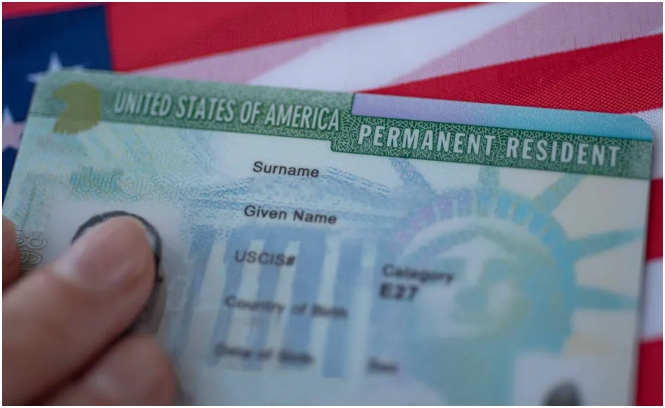
The remarks come after U.S. Citizenship and Immigration Services (USCIS) announced new guidance stating that immigrants in the United States on temporary visas — including student visas, tourist visas, and temporary work visas, generally must leave the country and complete green card processing at a U.S. embassy or consulate abroad “except in extraordinary circumstances.”
Legal Battle Brewing Over Adjustment of Status
The new policy represents a dramatic shift in how the federal government approaches adjustment of status, the long-established legal process allowing eligible immigrants already inside the United States to apply for lawful permanent residency without leaving the country.
For decades, immigration attorneys have relied on provisions within the Immigration and Nationality Act that permitted many immigrants to remain with their families and employers in the U.S. while their applications were processed.
Critics now argue the administration is attempting to narrow those protections through agency guidance rather than congressional legislation.
Gonzalez accused the administration of trying to retroactively redefine immigration law.
“This administration is trying to pretend that their policy manual of now only giving a green card based on major discretion for those in extraordinary circumstances is how the law was always supposed to be,” he said. “We know that is not the case.”
Legal analysts say the dispute could center on whether USCIS exceeded its statutory authority by effectively transforming adjustment of status from a routine immigration pathway into what the agency now calls an “extraordinary form of relief.”
Families and Employers Face Uncertainty
Immigration advocates warn the policy could disrupt the lives of hundreds of thousands of immigrants already living and working legally in the United States.
According to the Cato Institute, more than one million immigrants are currently awaiting decisions on adjustment-of-status green card applications.
Critics fear many applicants who leave the country for consular processing could face lengthy delays, visa denials, or reentry bars that prevent them from returning to the U.S.
Michael Valverde, a former senior USCIS official who served under both Republican and Democratic administrations, told CBS News the move is “largely unprecedented.”
“This is a largely unprecedented move that will limit lawful immigration to the U.S. greatly,” Valverde said. “People who followed the rules faithfully now face tremendous uncertainty.”
Immigration attorneys also say the lack of clarity surrounding “extraordinary circumstances” creates significant legal ambiguity.
The policy does not clearly define what situations qualify for exceptions, leaving officers broad discretion to decide which applicants may remain in the country during processing.
Litigation Strategy Already Taking Shape
Gonzalez indicated that immigration lawyers are already building legal strategies to challenge denials issued under the new framework.
“We have done it before, we will do it again,” he said.
He pointed to prior lawsuits challenging USCIS processing delays, immigration detention practices, and pauses in immigration benefits.
“We will be prepared to file lawsuits for people who are erroneously denied their adjustment of status based on this ridiculous policy,” Gonzalez added.
The Trump administration, however, argues the policy restores the original intent of immigration law.
USCIS spokesman Zach Kahler said temporary visits to the United States “should not function as the first step in the green card process.”
The Department of Homeland Security also defended the policy online, declaring: “The era of abusing our nation’s immigration system is over.”
Still, immigration law experts expect the courts to become the next battleground as attorneys challenge whether the administration can legally curtail adjustment-of-status eligibility through administrative guidance alone.

