
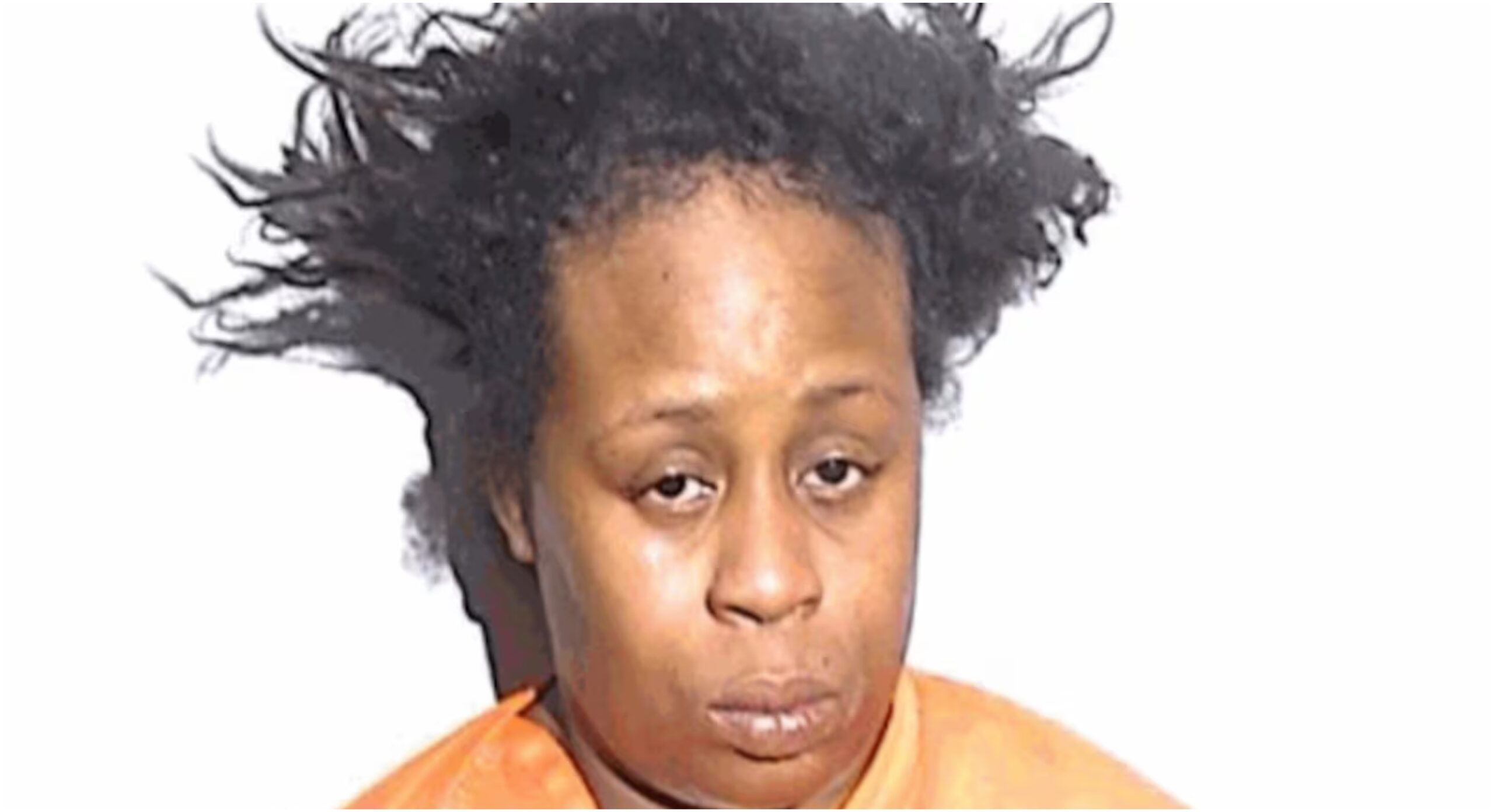
An Ohio woman has been formally charged with multiple counts of child endangerment following allegations that she left her seven children unattended in a vehicle while entering a gambling establishment, raising legal questions about parental duty of care and cumulative criminal liability.
Raquel Roniquel Hicks, 37, was arrested in Toledo after police say she drove to Luna’s Internet Café with her children—aged between 11 months and 15 years—despite having a suspended driver’s license. According to the complaint, the children were left inside the vehicle for approximately 40 minutes while Hicks remained inside the establishment.
Authorities further allege that the vehicle lacked legally required child safety restraints for younger passengers, a factor that may compound potential liability under Ohio law. Law enforcement officials described the situation as one that placed the children at significant risk, citing both the duration of the absence and the age range of those involved.
Hicks has been charged with seven separate counts of child endangerment, with each count corresponding to one of the minors present. The multiplicity of charges reflects a common prosecutorial approach in cases involving multiple alleged victims, where each child is treated as a distinct count under the statute.
During an initial court appearance, Hicks entered a plea of not guilty to all charges. The court released her on her own recognizance but imposed pretrial conditions, including GPS monitoring, as the case proceeds.
Under Ohio law, child endangerment statutes prohibit caregivers from creating a substantial risk to a child’s health or safety through violation of a duty of care. Legal analysts note that factors such as duration, environmental conditions, and the vulnerability of the children involved are often central to determining the severity of charges and potential penalties.
The case also highlights overlapping legal concerns, including alleged operation of a vehicle under a suspended license and failure to comply with child passenger safety requirements. While these issues may be addressed separately, they could influence the broader legal assessment of negligence and risk.
As proceedings continue, the case may serve as a reference point in ongoing legal discussions around parental responsibility, prosecutorial discretion in multi-count indictments, and the thresholds for criminal liability in unattended child cases.
A court date for the next hearing has not yet been publicly disclosed.