
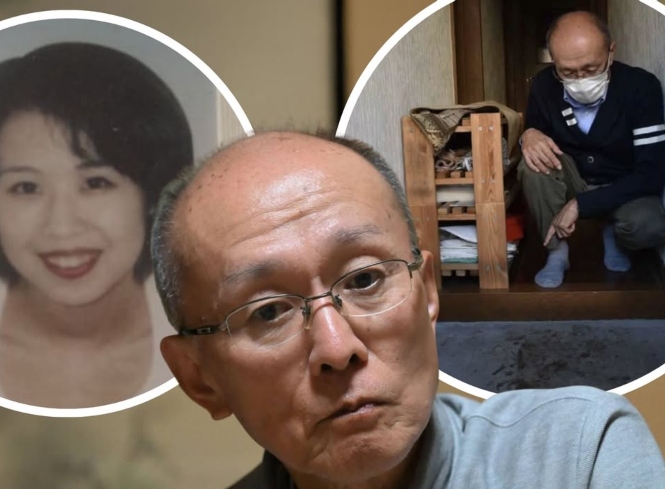
TOKYO — When Namiko Takaba was found murdered in her apartment in 1999, her husband Satoru Takaba made an extraordinary decision that would defy convention, confound landlords, and ultimately deliver justice more than a quarter-century later.
He left everything exactly as it was.
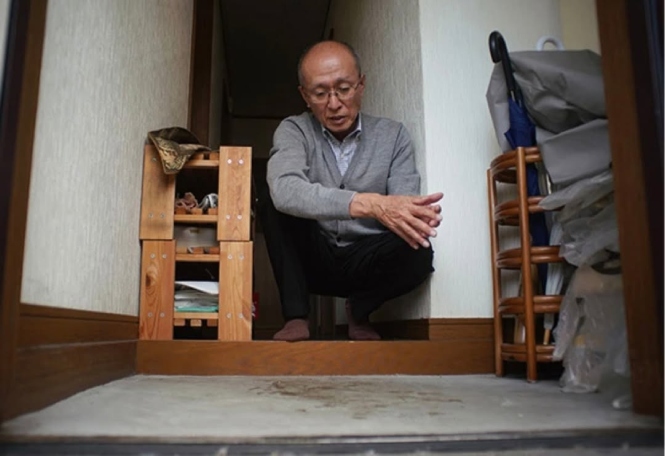
For over 26 years, the apartment remained frozen in time — a sealed crypt of evidence, untouched by renovation, untouched by time, preserved in the desperate hope that science might one day catch up to the killer who had taken his wife’s life.
It was a gamble that cost him approximately $145,000 in rent for a space he would never again share with her. And it worked.
The Murder That Shook a Community
Namiko Takaba was killed in her apartment in Japan in 1999 under circumstances that sent shockwaves through her community. The crime scene was brutal, the evidence immediate, but the technology available to investigators at the time proved insufficient to identify her killer.
In the immediate aftermath of the murder, as police conducted their initial investigation and the case grew cold, Satoru Takaba faced an impossible choice. The apartment where his wife had died was a crime scene — but it was also a sacred space, the last place she had lived, breathed, and existed.
Conventional wisdom would have suggested cleaning, renovating, and moving on. Satoru chose a different path.
A Husband’s Vow
According to reports, Satoru made a solemn decision: he would preserve the apartment exactly as it was on the day of the murder. He continued paying rent month after month, year after year, refusing all requests from landlords and property managers to renovate or repurpose the space.
“He reportedly spent around $145,000 preserving the untouched crime scene,” sources close to the case have confirmed.
The financial burden was significant, but Satoru viewed it not as an expense but as an investment in the possibility of future justice.
For more than 26 years, the apartment remained frozen in time. The furniture stayed in place. The evidence, though invisible to the naked eye, remained undisturbed. Satoru’s unwavering commitment meant that nothing was cleaned, nothing was moved, nothing was altered.
The world moved on outside those walls, but inside, time stood still.
The Long Wait for Science
As the years passed, Satoru’s preserved apartment became something of a legend among local investigators. They understood what he was doing, even if they could not promise it would ever yield results. Forensic science was advancing rapidly, but there was no guarantee that the evidence they needed would ever be found — or that the preserved scene would remain viable long enough for technology to catch up.
Satoru waited. And waited.
Then, decades after Namiko’s death, the breakthrough came.
New Technology, Old Evidence
Advances in DNA analysis eventually reached a point where investigators could re-examine evidence with a precision that had been impossible at the time of the murder. The preserved apartment became a time capsule of forensic potential.
“New DNA technology later allowed investigators to re-examine the evidence,” reports confirm.
The samples that had been useless in 1999 suddenly held answers. The preserved scene meant that contamination had been minimized, chain of custody maintained, and evidence integrity preserved across a quarter-century.
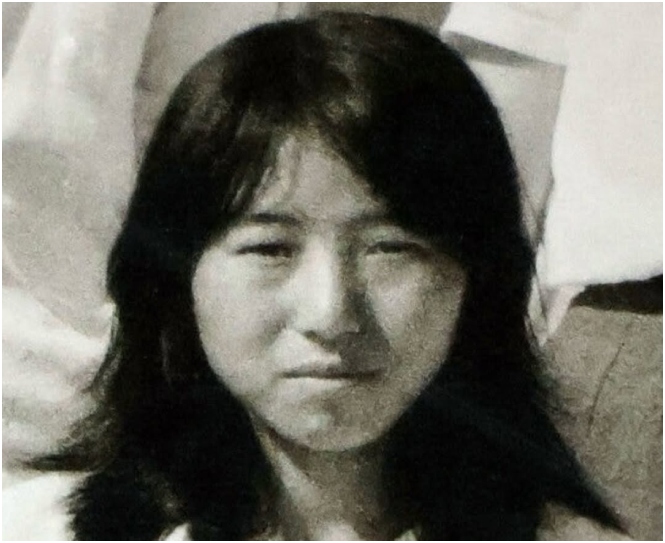
Police moved quickly. Using the newly analyzed genetic material, they identified a suspect who had never been on their radar: a former classmate named Kimiko Yasufuku.
Arrest After 26 Years
The preserved evidence led directly to the arrest of Yasufuku, who was taken into custody decades after the murder that had remained unsolved for an entire generation. The arrest sent shockwaves through Japan’s legal community, not only because of the age of the case but because of the extraordinary method by which justice had finally been achieved.
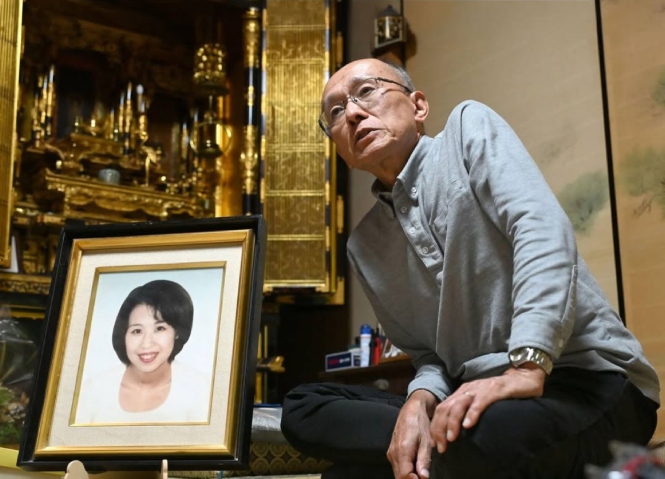
Satoru Takaba’s 26-year vigil — his refusal to let go, his willingness to spend nearly $150,000 preserving a space he could never again share with his wife — had paid off in the most profound way imaginable.
The apartment that had remained frozen in time finally served its purpose. The evidence it preserved for over 26 years brought a killer to justice.
A Landmark Case in Forensic History
Legal experts and forensic specialists have hailed the case as unprecedented in Japanese criminal history. While cold cases are sometimes solved decades later using new technology, the deliberate preservation of an entire crime scene for more than a quarter-century is virtually unheard of.
“This is not just a story about forensic science,” one legal analyst noted. “It is a story about love, patience, and the extraordinary lengths one man was willing to go to ensure that his wife’s killer would eventually face justice.”
The case raises important questions about evidence preservation, the statute of limitations (which does not apply to murder in Japan), and the ethical obligations of property owners and investigators when cold cases hold the potential for future resolution.
But for most observers, the story is simpler and more profound: a husband loved his wife enough to wait 26 years for justice. And in the end, justice came.
Aftermath
With Yasufuku now in custody, prosecutors are preparing to bring a case that relies on evidence collected at a crime scene that existed before the suspect likely ever imagined DNA technology would be capable of identifying her. The defense is expected to challenge the chain of custody and the reliability of evidence preserved over such an extended period.
But for Satoru Takaba, the hard part is over. After 26 years of paying rent on an apartment he could not bear to alter, after 26 years of waiting for science to catch up to his wife’s murder, after 26 years of preserving a space frozen in time, his faith in the possibility of justice has been vindicated.
The apartment will eventually be cleared, renovated, and returned to the world of the living. But for more than a quarter-century, it served a singular purpose: it held the evidence that would ultimately solve the murder of Namiko Takaba.
And it worked.