
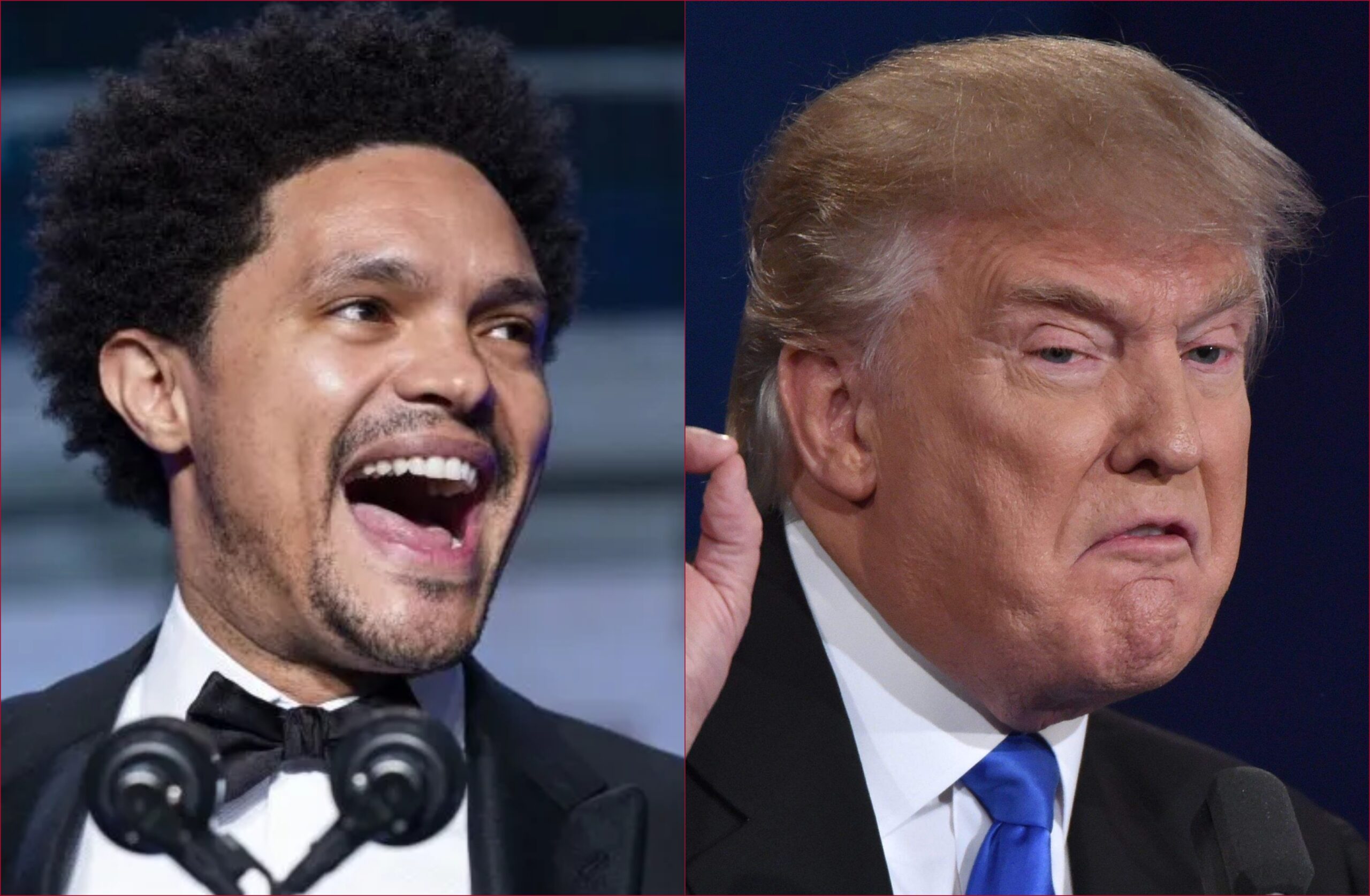
Reports confirm that after Trevor Noah’s joke at the 2026 Grammy Awards referencing Donald Trump and Jeffrey Epstein, Trump publicly denied ever visiting Epstein’s private island and threatened to sue Noah for defamation on social media.
This has prompted legal observers to weigh in on whether such a lawsuit could realistically succeed if filed.
The Legal Basis: Defamation Standards in the U.S.
To succeed in a U.S. defamation lawsuit, a plaintiff — especially a public figure like Trump — must show that:
- The statement was false.
- It was presented as a fact, not opinion.
- It caused harm to reputation.
- The defendant acted with “actual malice” — meaning the speaker knew the statement was false or showed reckless disregard for the truth.
This standard, set by Supreme Court precedent, protects robust public debate and gives broad protection to satire and comedy. Satirical jokes — particularly at award shows — are typically seen as opinion or humorous exaggeration, not actionable factual claims.
In Noah’s case, his joke implied Trump and Bill Clinton needed a “new island to hang out on” after Epstein’s property was gone — a punchline rooted in comedic context rather than a direct statement that Trump literally spent time on Epstein’s island.
Comedy and Public Figures: High Threshold
U.S. courts have repeatedly ruled that humorous comments about public figures are not defamatory when context makes it clear they are not literal assertions of fact. Defamation lawsuits related to satire — such as jokes made by late-night hosts — typically fail unless the comedian clearly states false, verifiable facts.
Additionally, Trump has previously litigated against media outlets and personalities, with mixed outcomes. A 2024 settlement with a major network involved negotiated terms — not a clear judicial finding of defamation. But those cases involved extensive factual disputes and contractual media coverage, not spontaneous live comedy.
Evidence and “Actual Malice”
Even if a statement about Trump and Epstein were false (the core allegation in question), Trump would still need evidence that Noah knew the statement was false or recklessly disregarded the truth — a high bar in context where jokes are clearly presented as humor.
Plus, extensive documents tied to Jeffrey Epstein’s investigations have been published publicly, which could muddy any claim that Noah “recklessly” disregarded widely available sources.
Practical and Political Hurdles
Beyond legal standards, such a lawsuit faces practical challenges:
- Venue and jurisdiction issues could emerge if the case were filed in states with strong anti-SLAPP laws (laws protecting expressive speech).
- The lawsuit could draw more attention to sensitive historical associations rather than suppress them.
- Judges often dismiss defamation claims early when speech is clearly in the form of satire or opinion.
Likelihood of Success
Given the high evidentiary threshold for public figures, the comedic context of Noah’s comment, and established protection for satire under U.S. defamation law, legal analysts assess Trump’s threatened lawsuit as unlikely to succeed if it goes to trial.
Courts generally err on the side of protecting speech on matters of public concern — especially when it involves a public figure and is delivered in an entertainment context.
That doesn’t mean a lawsuit couldn’t be filed, but prevailing in court would require overcoming significant procedural and substantive obstacles that historically protect satirical commentary and media expression.