
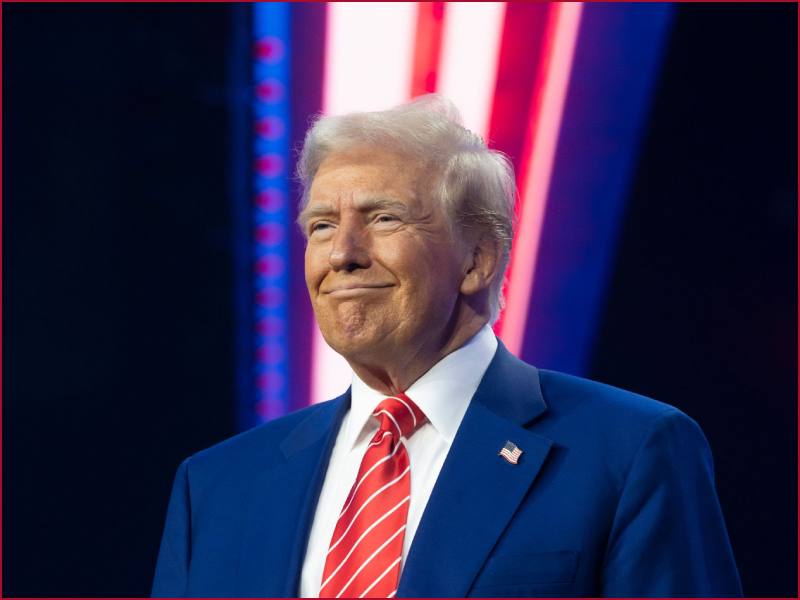
President Donald Trump, joined by his eldest sons and the Trump Organization, has filed a $10 billion lawsuit against the Internal Revenue Service (IRS) and the U.S. Treasury Department.
They are claiming the agencies failed to protect his confidential tax records and caused reputational and financial harm when the documents were leaked to the media.
The federal lawsuit, filed in Miami federal court, alleges that a former IRS contractor’s unauthorized disclosure of Trump’s tax returns between 2018 and 2020 violated strict federal privacy laws and damaged the plaintiffs’ public standing. The contractor, Charles Edward Littlejohn, pleaded guilty in 2024 to leaking tax data to The New York Times and ProPublica, and is serving a five-year prison sentence for the offense.
According to court filings, the disclosures violated provisions of the Internal Revenue Code designed to safeguard taxpayer confidentiality, and Trump’s legal team contends the IRS and Treasury “willfully failed to establish appropriate administrative, technical, and physical safeguards” to prevent the data breach.
The lawsuit asserts that the disclosures not only caused public embarrassment but also “reputational and financial harm” to the former president, his family members, and their business interests, and even alleges the leaks negatively affected voter support in the 2020 election.
Legal and Ethical Questions
Legal experts and commentators have raised concerns about the unusual nature of the case. Trump’s position, as the sitting president with authority over the Justice Department and the agencies he is suing, has prompted questions about conflicts of interest and the integrity of legal proceedings when the plaintiff effectively has influence over the government’s legal defense.
Some legal analysts have debated whether the lawsuit is timely under federal statute of limitations, with critics arguing that the legal basis for seeking such high damages may be weak or procedurally complex. (Reddit) Others, including lawmakers from both parties, have suggested the IRS should focus on investigating leaks and enforcing criminal penalties for those responsible rather than facing civil claims for billions in damages.
Impact and Broader Debate
The case highlights ongoing concerns about government data security, privacy protections, and accountability for federal agencies entrusted with sensitive information. The Trump lawsuit comes amid broader scrutiny of how personal taxpayer records are handled, the scope of IRS contractor access, and the responsibilities of federal agencies to enforce confidentiality provisions.
While the IRS and Treasury Department have not publicly responded to the lawsuit, the filing has already sparked debate across legal, political, and public spheres, with observers questioning both the scale of the damages sought and the implications for how government agencies might be held accountable for data breaches involving high-profile figures.
Whether this high-stakes legal battle will advance through the courts or settle before full litigation remains to be seen, but its combination of privacy law, political prominence, and questions about government liability ensures it will be closely watched.