
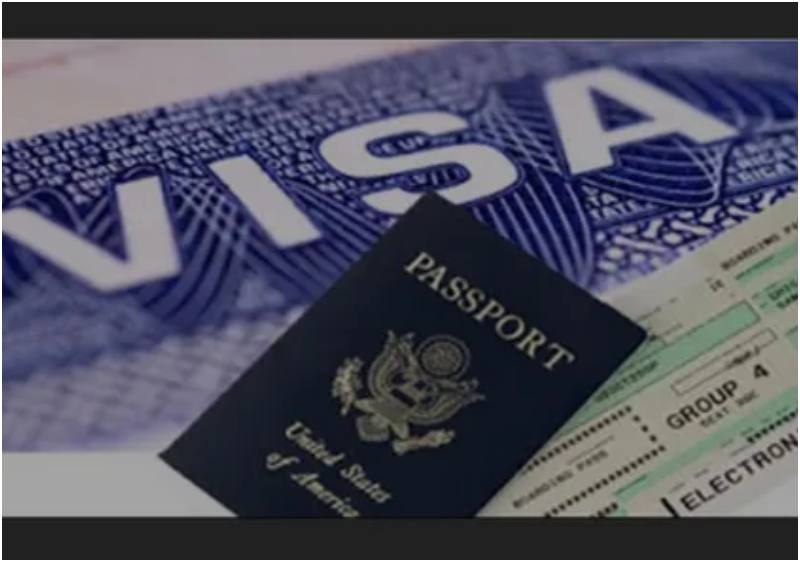
U.S. citizens in Minnesota are increasingly carrying passports and other proof of citizenship during routine daily activities as intensified federal immigration enforcement operations continue in the state, prompting renewed legal scrutiny over due process, racial profiling, and civil liberties.
According to reporting by CBS News, large-scale operations by Immigration and Customs Enforcement (ICE) and Customs and Border Protection (CBP) have been underway in and around Minneapolis for weeks. The enforcement actions have triggered protests and heightened fear among residents, particularly within communities of color. Tensions escalated further after federal agents fatally shot two individuals earlier this month, both of whom were identified as U.S. citizens.
In interviews with CBS News correspondent Lana Zak, several American citizens described carrying passports not for international travel, but as a precaution against potential wrongful detention. One woman, a U.S. citizen originally from Hawaii, said she now requires her children to carry their passports at all times, citing fears of racial profiling based on appearance.
Other individuals told CBS News they routinely carry passports, phones, and personal safety tools, expressing concern that they could be detained first and asked questions later, despite their legal status. One elected official said she had limited her movements and worked from home for weeks, describing anxiety about being stopped in public spaces. Another citizen said they recently applied for a passport solely to have documentation readily available to prove citizenship.
Federal authorities have confirmed the scale of the operations. A senior ICE official stated that approximately 3,000 ICE and CBP agents are currently operating in the city, with an estimated 3,400 arrests carried out to date. Officials did not disclose how many of those detained were U.S. citizens or how many had criminal records, a lack of transparency that legal observers say complicates public oversight.
Legal analysts note that while federal law allows immigration officers to question individuals about their status, U.S. citizens cannot lawfully be detained solely for failing to carry identification. However, civil rights advocates argue that aggressive enforcement tactics and the absence of clear safeguards increase the risk of unconstitutional stops, prolonged detention, and violations of equal protection under the law.
The situation has renewed debate over the balance between immigration enforcement and constitutional protections, particularly the Fourth and Fifth Amendments, which guard against unreasonable seizures and guarantee due process. Attorneys warn that fear-driven behavior among citizens—such as carrying passports for routine errands—signals a broader erosion of trust in law enforcement institutions.
As enforcement operations continue, legal advocacy groups are calling for clearer guidelines, improved accountability mechanisms, and stronger protections to prevent the wrongful detention of U.S. citizens.