
In a dramatic escalation following the surprise capture of Venezuelan President Nicolás Maduro by U.S. military forces, Venezuelan authorities have issued a sweeping decree ordering a nationwide manhunt for anyone suspected of supporting the U.S. operation, raising serious legal and human rights concerns.
Under a state of “external commotion” decree, first signed by Maduro and published on January 5, Venezuelan police and security forces are instructed to “immediately search for and capture” individuals who promoted, supported, or collaborated with what the government calls a U.S. “armed attack” against Venezuelan territory.
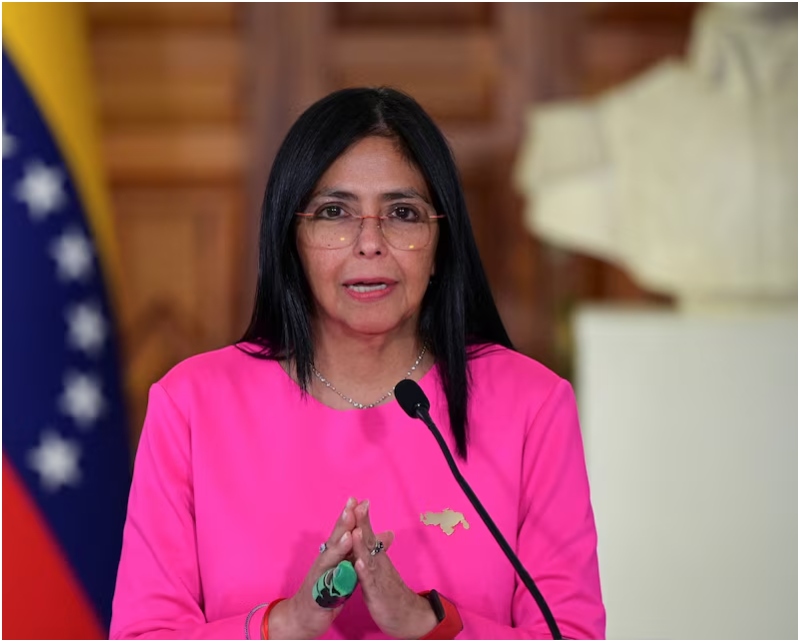
The decree was formally endorsed by Delcy Rodríguez, who has been sworn in as interim president following Maduro’s arrest.
What the Decree Orders
The decree empowers national, regional, and municipal police to detain anyone implicated in backing the U.S. operation — including through public statements, social media expression, or logistical assistance. It grants broad authority under a declared state of emergency, which allows the interim government to exercise extensive legal powers to detain, prosecute, and restrict the rights of Venezuelans accused of supporting what Caracas labels an external aggression.
Legal experts have warned that the broad language of the manhunt order could result in arbitrary arrests and violations of civil liberties, especially amid heightened political tensions and limited judicial oversight. Human rights organizations argue that terms like “support” are vague and could be used to target critics, journalists, and political opponents.
Context: U.S. Capture of Maduro
The decree comes amid one of the most volatile episodes in Venezuela’s history. Early on January 3, U.S. forces conducted a military operation that resulted in the capture of President Maduro and his wife, Cilia Flores, transporting them to New York, where they now face federal charges — including narco-terrorism and cocaine trafficking — filed by the U.S. Justice Department.
Maduro has pleaded not guilty in a Manhattan court and has portrayed himself as the country’s legitimate leader despite facing criminal prosecution abroad. His detention and the sudden installation of Rodríguez as acting president have sparked domestic unrest and international debate.
Implications for Rule of Law and Freedoms
The nationwide manhunt order is layered atop a tense legal and political backdrop. A state of emergency — authorized under Venezuela’s constitution — grants extraordinary powers to authorities to detain suspects with fewer procedural safeguards. Critics have expressed concern that the decree could be used to suppress freedom of speech, association, and peaceful dissent, undermining legal protections even as the country grapples with unrest.
International legal scholars note that broad emergency powers without clear judicial oversight risk not only violating domestic rights protections but also obligations under international human rights law. They emphasize the importance of transparent legal procedures and independent judiciary review in any arrests or prosecutions arising from the decree.
Broader Political Fallout
The manhunt order also complicates Venezuela’s already fraught diplomatic environment. While interim President Rodríguez has publicly called for cooperation with international partners under international law, the sweeping clampdown on alleged supporters of the U.S. operation signals a crackdown at home that could isolate Caracas further on the global stage.
As Venezuela’s political future remains uncertain, the legal consequences of the decree — especially for ordinary citizens caught between competing authorities — are likely to become a central issue in regional human rights discourse and international legal scrutiny.