
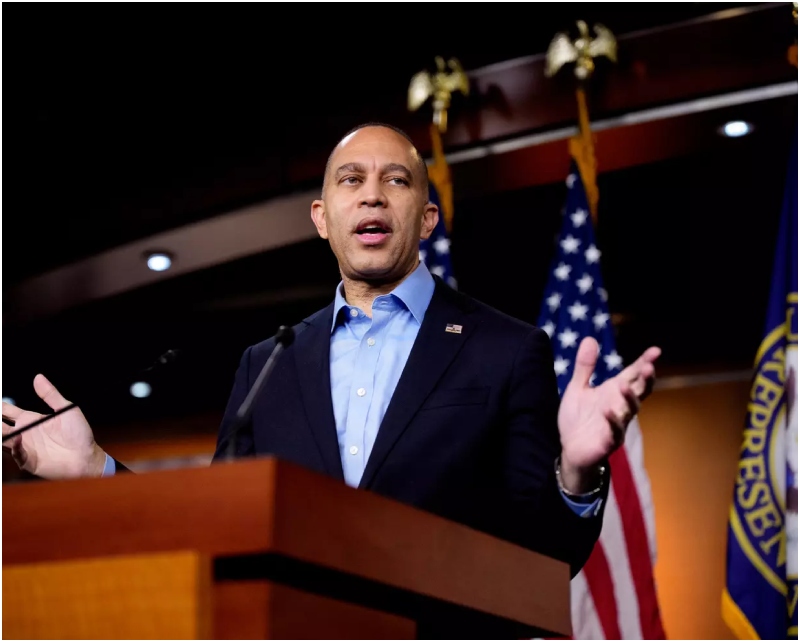
House Minority Leader Hakeem Jeffries has urged Congress to immediately investigate President Donald Trump’s health, arguing that the White House has failed to provide sufficient transparency about the president’s physical and mental condition as required for effective governance.
Speaking in a recent interview, the New York Democrat said the matter should not be postponed until after the November midterm elections, stressing that lawmakers have a constitutional responsibility to ensure the president is capable of discharging the duties of office.
“We don’t work for Donald Trump. We don’t work for J.D. Vance. We don’t work for their billionaire donors. We work for the American people,” Jeffries said.
“Congress, in its role as a separate and co-equal branch of government, should make sure that the administration comes clean as it relates to the president’s ability to continue to do the job at the level that the American people deserve.”
Oversight and Constitutional Questions
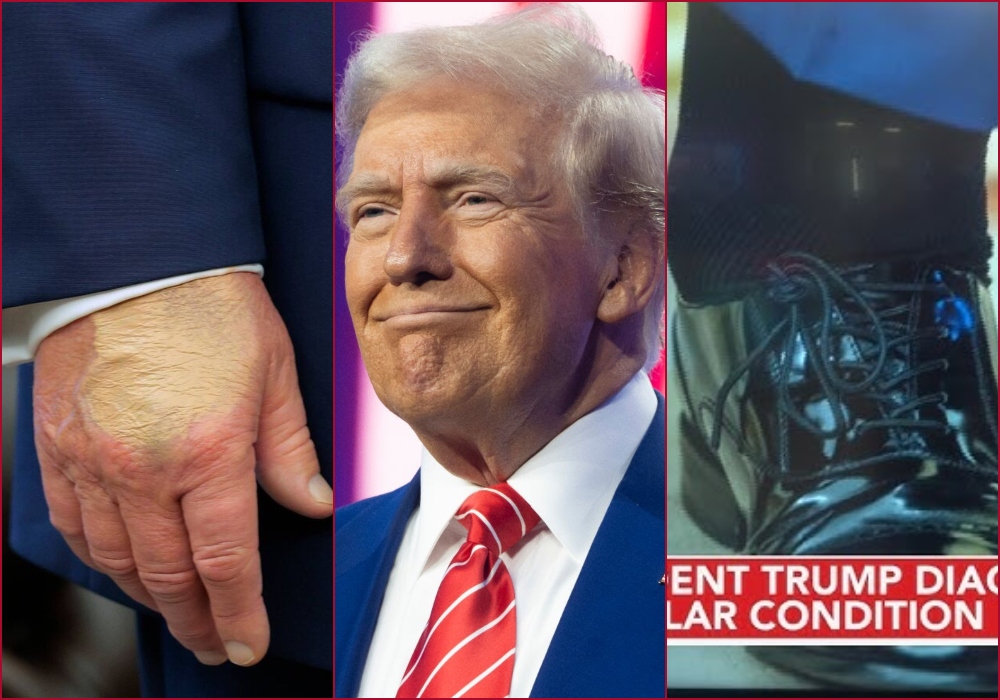
Jeffries said the Trump administration is “definitively not being forthcoming” about the president’s health, raising concerns that could warrant formal congressional oversight. He specifically called on House Oversight Committee Chairman James Comer, a Kentucky Republican, to initiate action, stressing that Congress does not operate at the pleasure of the executive branch.
Under U.S. constitutional law, Congress has broad investigatory powers to conduct oversight of the executive branch, particularly when issues may affect national governance or public trust. While there is no routine legal requirement for presidents to disclose detailed medical records, past administrations have often released physician summaries to reassure the public.
Age and Fitness in Focus
The renewed scrutiny comes amid heightened attention to Trump’s age. At 79, he became the oldest person to assume the presidency upon returning to office, reigniting long-running legal and political debates about presidential fitness, transparency, and the potential application of constitutional mechanisms such as the 25th Amendment, which addresses presidential incapacity.
Legal analysts note that while a congressional investigation would not automatically trigger constitutional action, it could increase political pressure on the White House to release more comprehensive medical information or clarify internal protocols should concerns about capacity arise.
Political Stakes Ahead of Midterms
Jeffries’ remarks also highlight the broader political stakes ahead of the 2026 midterm elections, where control of Congress is in play.
Any formal inquiry into the president’s health could intensify partisan divisions while raising fundamental legal questions about executive accountability, separation of powers, and the limits of congressional oversight.
For now, the White House has not publicly responded to Jeffries’ call for an investigation.