

Shares of major cannabis companies surged Friday following reports that U.S. President Donald Trump is preparing to move toward easing long-standing federal restrictions on marijuana, a shift that could have significant legal and regulatory implications for the industry.
According to a report by The Washington Post, Trump is expected to direct federal agencies to reclassify marijuana under the Controlled Substances Act, potentially as soon as next week. The move would downgrade cannabis from Schedule I—the most restrictive category—to Schedule III, placing it alongside certain prescription painkillers and medications recognized as having medical use.
In response, U.S.-listed cannabis stocks rallied sharply. Tilray Brands jumped more than 35%, while SNDL, Canopy Growth, and the AdvisorShares Pure US Cannabis ETF (MSOS) rose between 20% and 31% in early trading.
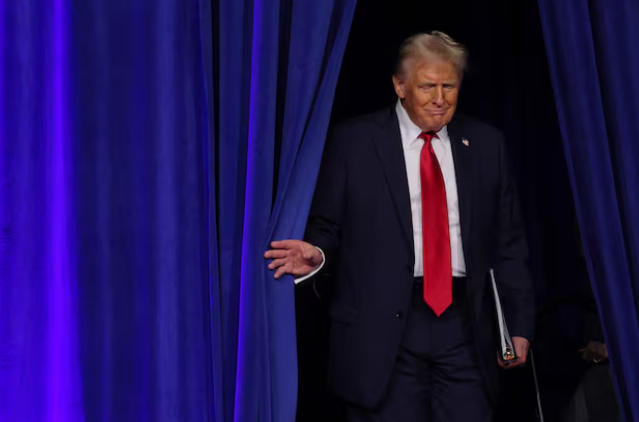
A White House official cautioned that no final decision has yet been made on marijuana rescheduling. However, CNBC separately reported that Trump is considering issuing an executive order that would formalize the shift in classification.
If implemented, the legal consequences could be substantial. Reclassification to Schedule III would reduce federal oversight, ease criminal penalties, and potentially lower the tax burden on cannabis businesses. It could also open the door for pharmaceutical companies to seek FDA approval for cannabis-derived products.
“We believe this would open the door for pharmaceutical companies to seek approval for more cannabis products, which could then be dispensed the same as other prescription drugs,” TD Cowen analyst Jaret Seiberg said in a research note.
From a legal and financial standpoint, access to banking remains one of the most significant hurdles for cannabis operators. Because marijuana remains illegal at the federal level, most banks and institutional investors have avoided the sector, forcing companies to rely on high-interest loans and alternative financing.
Analysts say a rescheduling decision could accelerate broader reforms. Alliance Global Partners analyst Aaron Grey pointed to potential catalysts including expanded state-level legalization, passage of federal “safe banking” legislation, and the eventual listing of cannabis companies on major U.S. stock exchanges.
The potential policy shift follows earlier action by the Biden administration, which last year directed the Department of Health and Human Services to review marijuana’s classification. HHS subsequently recommended moving cannabis to Schedule III, though the process stalled before completion.
While rescheduling would not fully legalize marijuana under federal law, legal experts note it would mark the most significant change to U.S. cannabis policy in decades—reshaping enforcement, compliance obligations, and the commercial landscape of the industry.
For now, investors and industry stakeholders are watching closely as the administration weighs a move that could redefine the legal status of cannabis in the United States.