
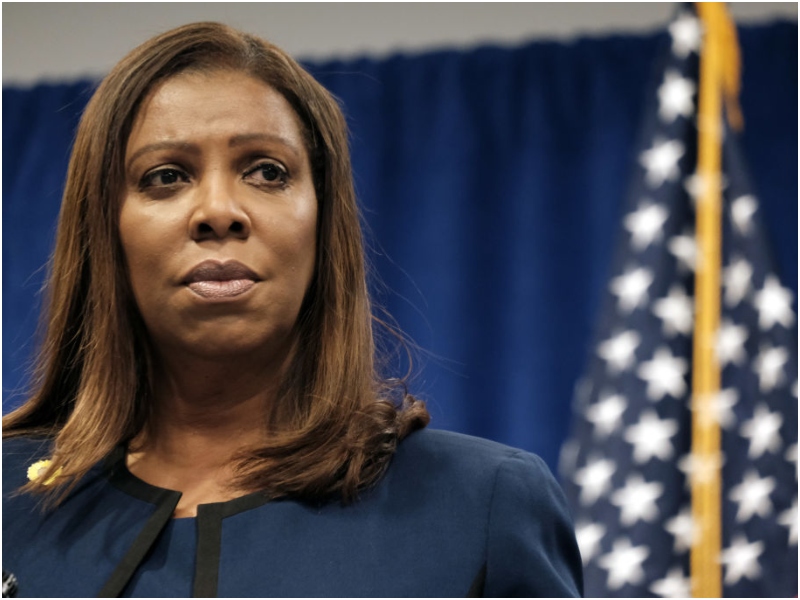
The attorney for New York Attorney General Letitia James has issued a pointed warning to political adversaries and prosecutors aligned with President Donald Trump, signaling potential legal action over what he described as repeated abuses of prosecutorial power.
Speaking on MSNBC’s Morning Joe (MS NOW), Abbe Lowell, a veteran defense attorney representing James, said there are established legal protections when state or federal officials exceed their authority and misuse the justice system for improper ends.
“When federal officials or state officials abuse their power, there are protections and there are ways to seek redress,” Lowell said during the interview. While declining to outline specific next steps, he added: “I can’t really tip off what we’re going to do or when, but the people on the other side should be fairly warned.”
Lowell cautioned that any further escalation “won’t go well” once courts are asked to evaluate the conduct at issue, suggesting that remedies could include civil actions or other legal challenges aimed at holding officials accountable.
Grand Jury History Shapes the Dispute
The warning comes against the backdrop of a notable procedural history: multiple attempts to re-indict Letitia James have reportedly failed.
According to individuals familiar with the matter, grand juries have declined to re-indict the New York attorney general on three separate occasions. Legal analysts say repeated refusals by grand juries can significantly undermine claims that criminal charges are supported by sufficient evidence.
Grand juries operate independently and are tasked with determining whether probable cause exists to bring criminal charges. Repeated failures to secure an indictment often raise questions about prosecutorial judgment, evidentiary strength, and potential misuse of the criminal process.
Legal Implications
Lowell’s remarks suggest a growing willingness by James’ legal team to move from defense to offense if what they view as improper conduct continues. While federal and state officials generally enjoy broad immunity when acting within the scope of their duties, that protection is not absolute. Courts have recognized exceptions in cases involving bad faith, selective prosecution, or clear constitutional violations.
Legal experts note that countersuits or related actions—if pursued—could test the boundaries of prosecutorial immunity and further spotlight the tension between political accountability and the independence of law enforcement.
A Broader Signal
Though no formal action has been announced, Lowell’s comments are widely interpreted as a strategic signal rather than a rhetorical flourish. By publicly raising the prospect of court intervention, James’ legal team appears to be drawing a line, warning that continued efforts viewed as politically motivated could invite judicial scrutiny.
For now, the dispute remains in the realm of legal maneuvering and public messaging. But with a documented history of grand jury refusals and escalating rhetoric on both sides, the issue underscores the increasingly fraught intersection of law, politics, and prosecutorial power in the United States.