
Constitutional law – United States
-
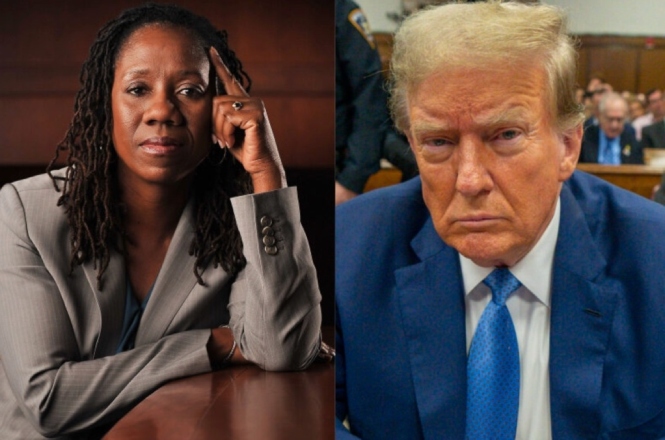
A rare courtroom appearance by President Donald Trump during oral arguments at the U.S. Supreme Court has drawn sharp legal commentary, with civil rights attorney Sherrilyn Ifill pointing the limits of political influence inside the nation’s highest court. “There are just places in which he is very small,” Ifill said, reflecting on Trump’s presence during…
-
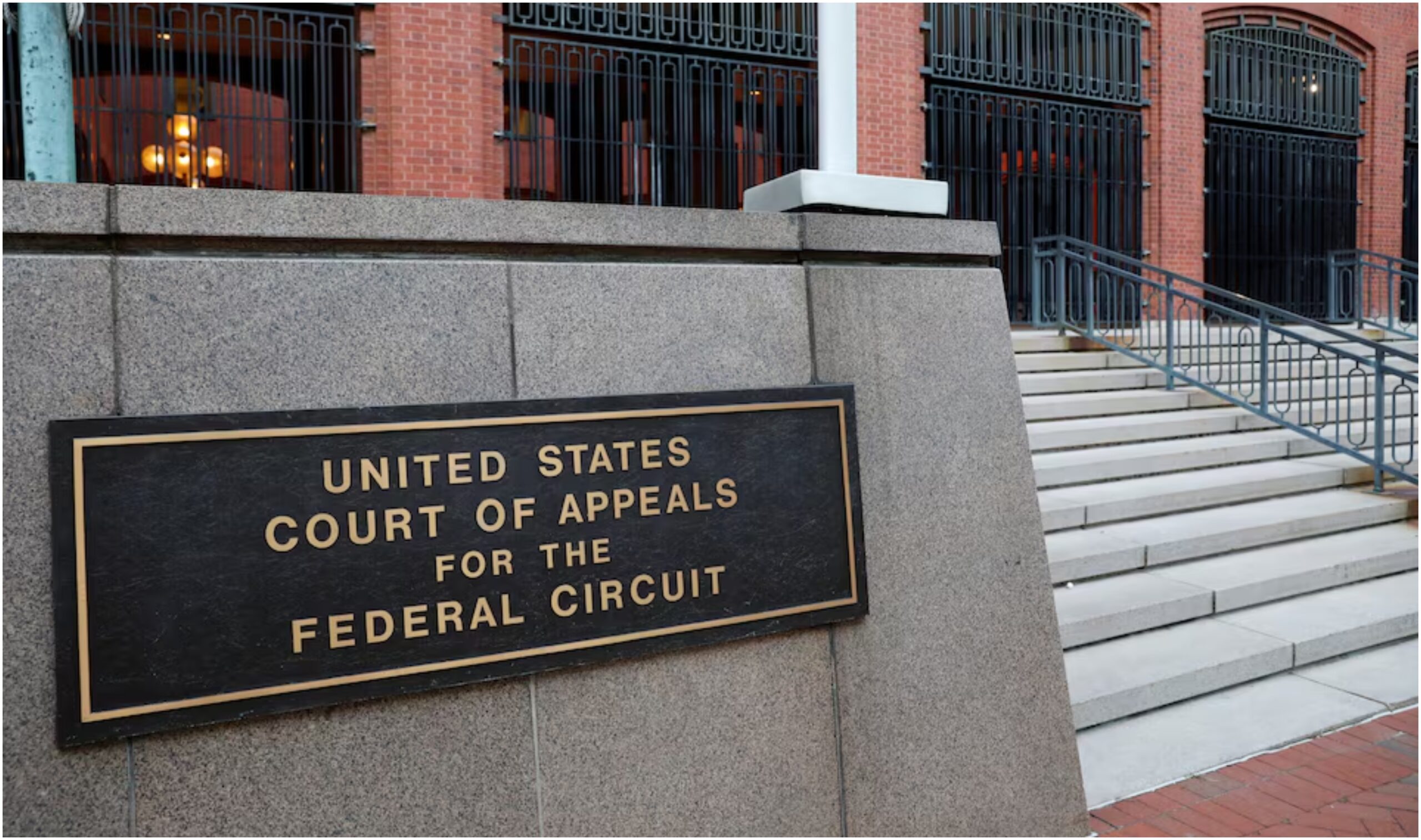
Two former U.S. immigration judges have escalated their legal fight to a federal appellate court, challenging a ruling that upheld their dismissal as consistent with the constitutional authority of the president. Judges Megan Jackler and Brandon Jaroch filed an appeal this week to the U.S. Court of Appeals for the Federal Circuit after the Merit…
-
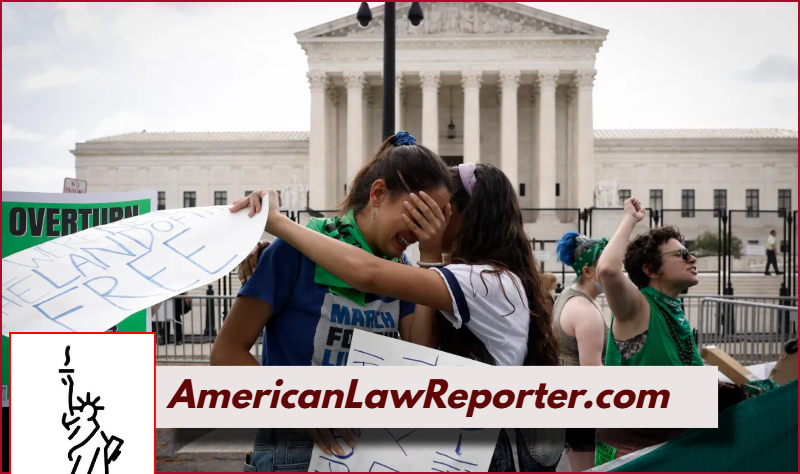
In a landmark ruling that reshaped American constitutional law, the U.S. Supreme Court decided Dobbs v. Jackson Women’s Health Organization (2022), effectively overturning Roe v. Wade (1973). The Dobbs decision eliminated the federal constitutional right to abortion, returning the authority to regulate abortion laws to individual states. This ruling has sparked significant legal, political, and…
-
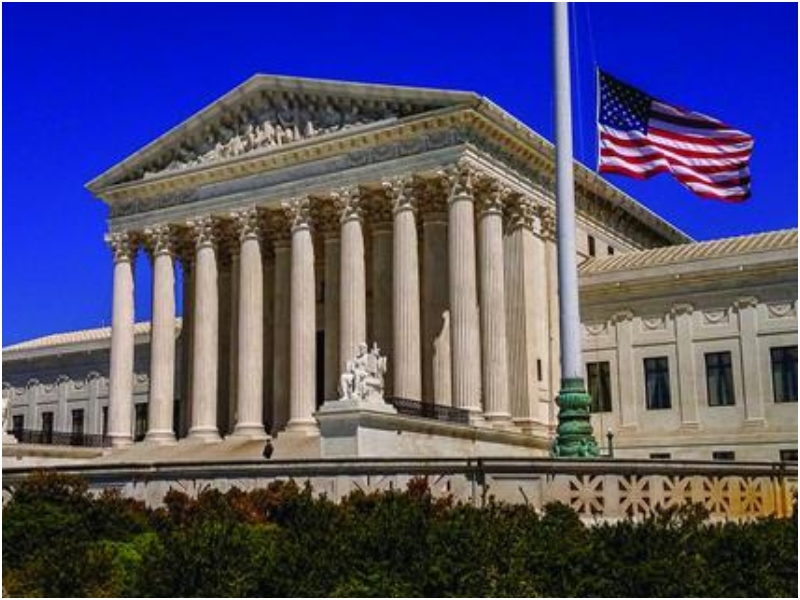
The U.S. Supreme Court has agreed to hear a case challenging the constitutionality of state and local bans on conversion therapy, a controversial practice aimed at changing an individual’s sexual orientation or gender identity. The case, originating from Colorado, could have significant implications for free speech rights and professional healthcare regulations nationwide. The lawsuit was…
-
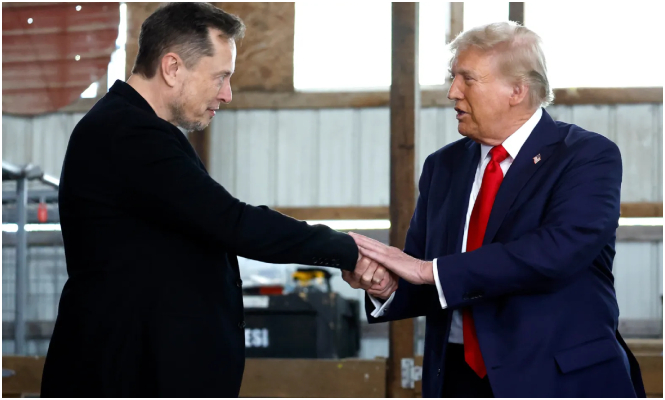
Federal Judge Sides with Trump, Dismisses Concerns Over Student Loan Data Access by Musk-Linked DOGE
The Trump administration secured a legal victory on Tuesday, February 18, 2025, after a federal judge ruled that employees of the Department of Government Efficiency (DOGE), a unit linked to Elon Musk, can continue accessing sensitive student loan data from the U.S. Department of Education (DOE). The ruling comes in response to a lawsuit filed…
-
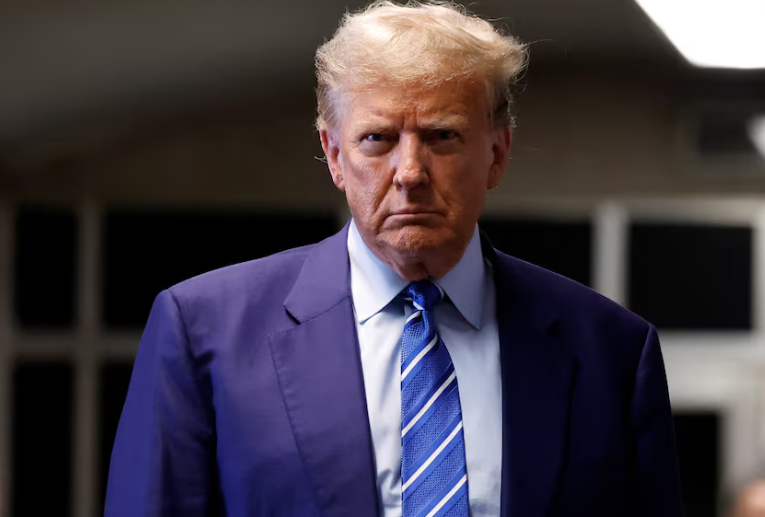
A federal judge on Friday, February 7, 2025, issued a temporary restraining order blocking the Trump administration’s attempt to place nearly 2,700 employees of the US Agency for International Development (USAID) on administrative leave and recall most of those stationed abroad. The ruling delivers a significant legal setback to the administration’s efforts to curtail US…
-
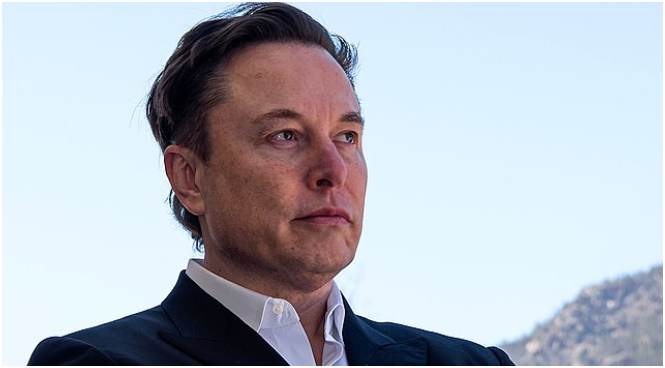
A federal judge has temporarily blocked Elon Musk’s White House-backed efficiency team from accessing sensitive Treasury Department data following a lawsuit filed by 19 states challenging the legality of such access. The lawsuit, brought by a coalition of mostly Democratic attorneys general, argues that President Donald Trump and Treasury Secretary Scott Bessent violated federal law…
-
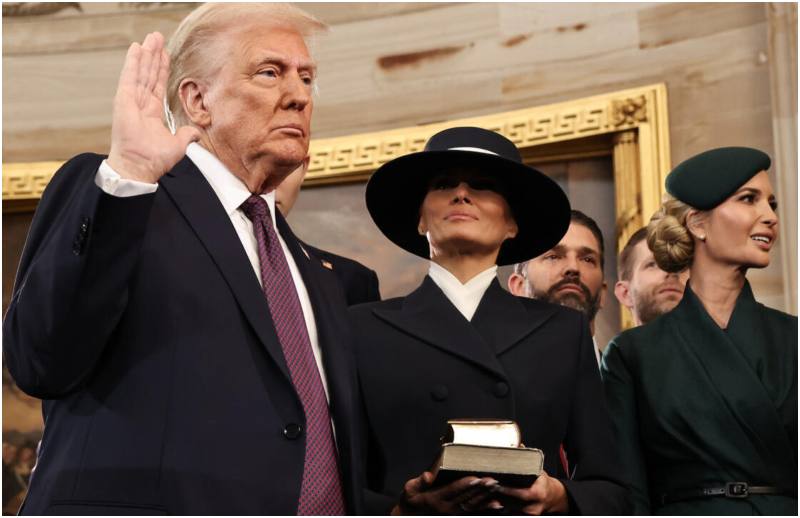
The intersection of criminal convictions and the presidency has become a focal point of legal debates following Donald Trump’s felony convictions and subsequent assumption of the presidency. This unprecedented situation raises critical questions about constitutional law, the separation of powers, and the resilience of democratic institutions in the United States. Donald Trump’s felony convictions stem…
-

In February 2023, the United States Supreme Court heard Gonzalez v. Google, a pivotal case examining the extent of legal protections for internet platforms under Section 230 of the Communications Decency Act (CDA). This case centered on whether platforms like Google could be held liable for algorithmically recommending user-generated content that promotes terrorism. Background The…
Categories
About Us
Follow Us

Never miss a story
Get the latest news straight to your inbox.
Copyright 2025 American Law Reporter. All rights reserved.