
A Colombian family has filed what is believed to be the first formal human rights complaint over a deadly U.S. military strike in the Caribbean.
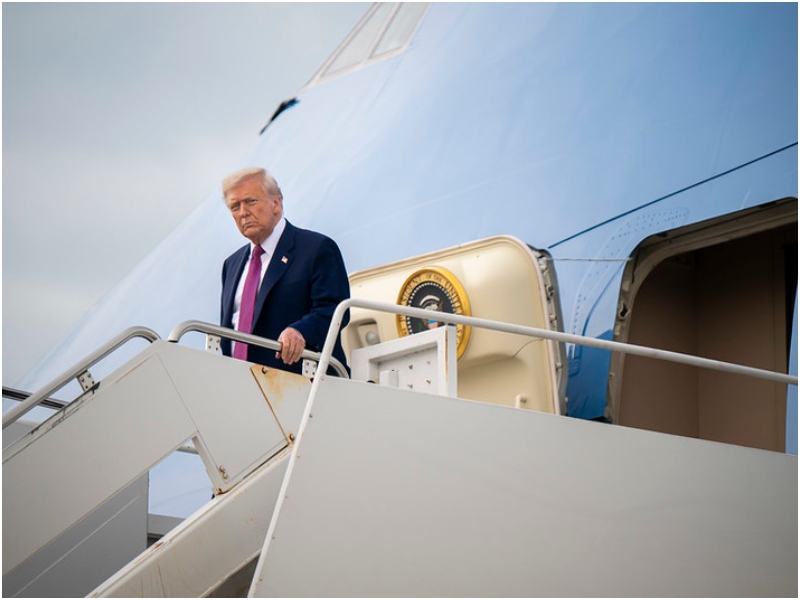
Experts say the lawsuit sets up a potential international test case for the Trump administration’s expanding counter-narcotics campaign at sea.
The petition, submitted Tuesday, December 2, 2025, to the Inter-American Commission on Human Rights (IACHR), accuses the United States of unlawfully killing Alejandro Carranza, a fisherman from northern Colombia whose boat was struck by U.S. forces on September 15.
A First-of-Its-Kind Challenge
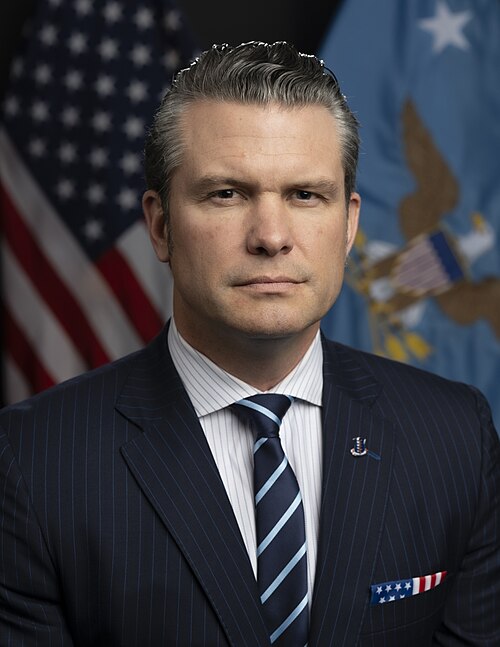
Filed by Pittsburgh-based human rights attorney Dan Kovalik, the complaint alleges that Carranza was the victim of an “extra-judicial killing” and names U.S. Defense Secretary Pete Hegseth as responsible for ordering the strike.
If accepted, the allegation could put U.S. military policy under rare international scrutiny.
Kovalik told CNN the complaint seeks compensation for Carranza’s wife and children as well as an end to what he described as illegal maritime killings.
“These killings are against international law. They are against U.S. law,” Kovalik said. “We want this to stop.”
The petition also asserts that the operation was effectively “ratified” by President Donald Trump, whose administration continues to defend its campaign of targeted strikes against suspected narcotrafficking vessels in both the Caribbean and the Pacific.
Pentagon Refers Questions to White House
The Pentagon declined to comment on the complaint, directing inquiries to the White House. CNN has also sought comment from the administration.
Since early September, U.S. forces have carried out at least 22 strikes against boats Washington says were transporting cartel-linked fighters or drugs toward U.S. territory. The operations have killed at least 83 people, according to public reporting.
The administration maintains the strikes comply with the Law of Armed Conflict, arguing that dozens of drug cartels constitute armed groups engaged in hostilities against the United States. Human rights experts have strongly disputed that interpretation.
He Was Fishing, Not Trafficking
According to family members and Colombian President Gustavo Petro, Carranza was a lifelong fisherman who made his living catching marlin and tuna. Petro initially declared he had no ties to the drug trade, saying Carranza’s boat had been sending a distress signal because of engine failure.
Petro later acknowledged Carranza may have accepted money to transport goods due to financial hardship but stressed, “never did his actions deserve the death penalty.”
Kovalik echoed that view.
“He was fishing. That was his profession and his vocation,” he said.
IACHR Voices Concern Over U.S. Actions
The complaint comes the same day the IACHR issued an unusual public statement urging the United States to ensure its overseas security operations respect international human rights obligations, including due process, the right to life and meaningful accountability.
If the IACHR accepts the petition, the regional human rights body could make formal recommendations to the United States — a rare rebuke for Washington, which often sits in judgment of other countries’ human rights records.
More Cases Expected
Kovalik, who was also hired to represent President Petro after the U.S. sanctioned the Colombian leader in October for alleged involvement in the drug trade (an allegation Petro denies), said Carranza’s complaint may be the first of many.
“We’re going to bring justice to these people,” he told CNN, adding he expects additional families to come forward.
For now, the death of Alejandro Carranza is shaping up to be a pivotal moment — one that raises urgent questions about the legality, transparency and human cost of America’s expanding maritime war on drugs.