
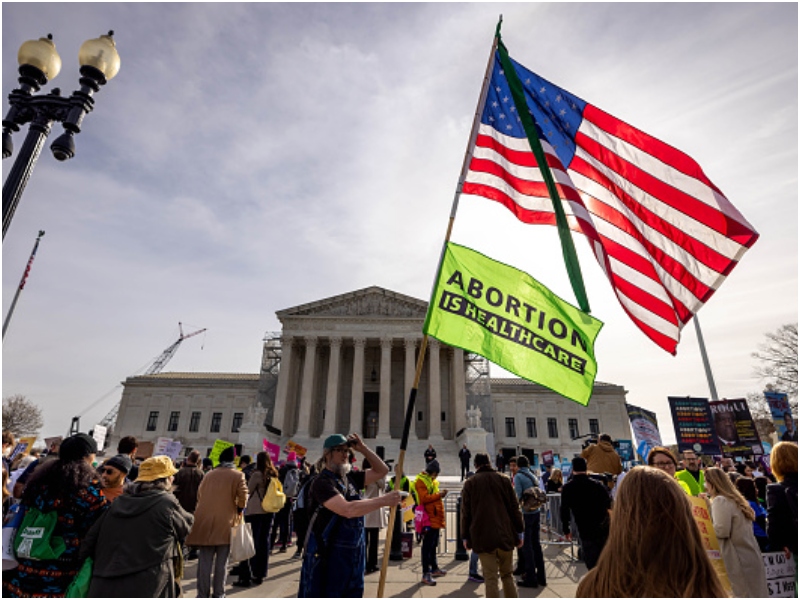
The U.S. Supreme Court’s 2025-26 term began this week (October 6–10, 2025), with oral arguments in six major cases heard over three days, addressing transgender rights, free speech, religious exemptions, and executive power.
These cases, argued amidst a federal government shutdown and heightened political scrutiny under the second Trump administration, could reshape legal precedents.
Below is American Law Reporter’s concise summary of each case, drawn from SCOTUSblog, Reuters, and NYT coverage, focusing on key arguments, justices’ leanings, and stakes as of October 10, 2025, at 2:27 PM GMT.
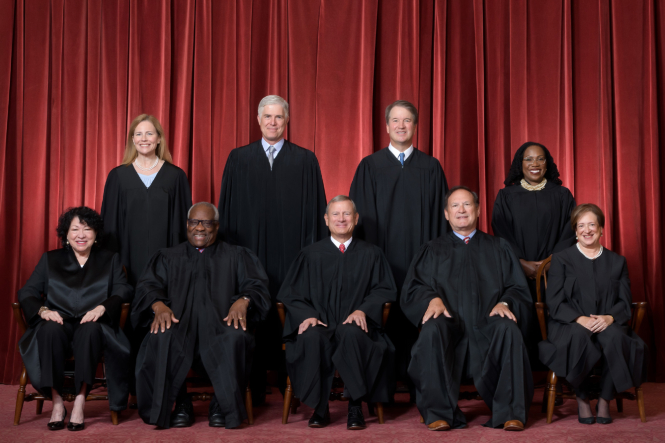
1. Chiles v. Salazar (October 7) – Colorado’s Conversion Therapy Ban
- Issue: Does Colorado’s ban on “conversion therapy” for minors (prohibiting attempts to change sexual orientation or gender identity) violate free speech or religious freedom under the First Amendment?
- Arguments:
- Petitioner (Chiles, a therapist): Argued the ban restricts her speech by limiting counseling content, infringing on her right to express views and practice therapy aligned with her beliefs. Her counsel claimed it’s a content-based restriction, citing 303 Creative v. Elenis (2023).
- Colorado: Defended the ban as regulating professional conduct, not speech, to protect minors from harm (citing studies showing psychological damage). Compared it to bans on unproven medical practices.
- Justices’ Leanings:
- Conservative justices (Thomas, Alito, Gorsuch) seemed skeptical of the ban, probing if it unfairly targets religious counselors. Gorsuch questioned if it’s “viewpoint discrimination.”
- Liberal justices (Sotomayor, Kagan, Jackson) emphasized harm to minors, with Kagan noting therapy’s coercive nature on youth.
- Roberts and Kavanaugh appeared open to balancing free speech with public safety but didn’t tip strongly.
- Stakes: Could affect bans in 20+ states and D.C. A ruling against Colorado might weaken protections for LGBTQ youth; a win could expand state regulatory power over therapy. Decision expected by June 2026.
2. Doe v. Commonwealth’s Attorney (October 6) – Virginia’s Transgender Athlete Ban
- Issue: Does Virginia’s law barring transgender girls from girls’ school sports violate Title IX (federal anti-sex-discrimination law) or the Equal Protection Clause?
- Arguments:
- Petitioner (Doe, a transgender student): Argued the ban discriminates based on gender identity, violating equal protection, and excludes trans girls from Title IX’s benefits. Cited Bostock v. Clayton County (2020) extending sex discrimination to gender identity.
- Virginia: Defended the ban as preserving fairness in women’s sports, arguing biological males have physical advantages. Claimed Title IX allows sex-based distinctions.
- Justices’ Leanings:
- Conservatives (Alito, Gorsuch, Barrett) pressed Doe’s counsel on defining “sex” in Title IX, suggesting biological differences justify separation.
- Liberals (Sotomayor, Jackson) pushed back, citing discrimination against trans youth and Bostock’s precedent.
- Roberts asked about balancing inclusion with competitive fairness, signaling a potential narrow ruling.
- Stakes: Impacts similar bans in 20+ states (e.g., Utah’s dropped case). A ruling for Virginia could solidify state power to exclude trans athletes; a win for Doe could expand Title IX protections. Expected ruling: June 2026.
3. Jones v. Connecticut (October 7) – Alex Jones’ Defamation Appeal
- Issue: Should the $1.5 billion defamation judgment against Alex Jones (for calling Sandy Hook a hoax) be overturned as a First Amendment violation, or does it hold as a valid penalty for harmful speech?
- Arguments:
- Jones: Claimed the judgment chills free speech, arguing his statements were opinions, not provable facts, and penalties are excessive. Sought to limit defamation liability for public figures.
- Connecticut/Sandy Hook Families: Argued Jones’ lies caused direct harm (harassment, threats to families), justifying the award. Cited established defamation law (New York Times v. Sullivan carve-outs for actual malice).
- Justices’ Leanings:
- Conservatives (Thomas, Alito) questioned the judgment’s size, hinting at First Amendment overreach concerns.
- Liberals (Kagan, Sotomayor) and Roberts focused on harm to victims, with Kagan grilling Jones’ counsel on “reckless disregard” for truth.
- Gorsuch and Kavanaugh seemed open to reviewing punitive damages but didn’t commit.
- Stakes: Could redefine defamation boundaries for media figures. Upholding the judgment reinforces accountability for misinformation; overturning it might embolden conspiracists. Decision by mid-2026.
4. Campaign Legal Center v. FEC (October 8) – Campaign Finance Rules
- Issue: Do Federal Election Commission rules allowing unlimited “independent” campaign spending violate statutory limits or free speech protections?
- Arguments:
- Petitioner (Campaign Legal Center): Argued lax FEC rules enable dark money flooding elections, undermining transparency and fairness. Cited Citizens United’s unintended loopholes.
- FEC: Defended rules as protecting political speech, arguing independent expenditures don’t corrupt if uncoordinated with campaigns.
- Justices’ Leanings:
- Conservatives (Gorsuch, Barrett, Alito) leaned toward protecting speech, citing Citizens United (2010).
- Liberals (Jackson, Sotomayor) pressed for stricter oversight, with Jackson noting voter distrust.
- Roberts and Kavanaugh focused on defining “coordination,” suggesting a narrow ruling.
- Stakes: Could tighten or loosen campaign finance laws, impacting 2026 midterms. A win for petitioners might curb super PACs; a loss reinforces unlimited spending. Ruling by June 2026.
5. Religious Freedom in Public Schools (October 8) – Prayer Exemptions
- Issue: Does a school district’s refusal to allow student-led prayer groups during school hours violate the Free Exercise Clause?
- Arguments:
- Petitioner (Christian student group): Claimed the ban discriminates against religious expression, citing Kennedy v. Bremerton (2022) allowing coach-led prayers.
- School District: Argued maintaining neutrality avoids Establishment Clause violations; school hours aren’t a public forum.
- Justices’ Leanings:
- Conservatives (Thomas, Alito, Gorsuch) seemed sympathetic to students, questioning the district’s blanket ban.
- Liberals (Kagan, Sotomayor) worried about coercing non-religious students, citing church-state separation.
- Roberts signaled a middle ground, asking about time/place restrictions.
- Stakes: Could expand religious expression in schools or reinforce secular boundaries. Impacts how schools balance First Amendment clauses. Expected ruling: June 2026.
6. Death Penalty Procedure (October 9) – Lethal Injection Protocols
- Issue: Does Missouri’s lethal injection protocol (using pentobarbital) constitute cruel and unusual punishment under the Eighth Amendment?
- Arguments:
- Petitioner (inmate): Claimed the drug risks severe pain, citing botched executions elsewhere. Proposed alternatives like firing squad.
- Missouri: Defended the protocol as standard, arguing no evidence shows consistent pain or viable alternatives.
- Justices’ Leanings:
- Conservatives (Barrett, Kavanaugh, Gorsuch) questioned the inmate’s evidence, leaning toward state discretion.
- Liberals (Jackson, Sotomayor) pressed Missouri on execution transparency and pain risks.
- Roberts focused on practical alternatives, suggesting a narrow procedural ruling.
- Stakes: Could set new standards for execution methods or uphold state flexibility. Impacts death penalty practices in 20+ states. Ruling by June 2026.
Broader Context and Buzz
- Political Climate: The term unfolds under intense scrutiny, with Trump’s DOJ facing 60+ lawsuits (Just Security, October 9). X posts amplify polarized views, with conservatives cheering potential conservative wins and liberals warning of eroded rights.
- Shutdown Impact: The federal shutdown (day 10) hasn’t stopped arguments, as courts are funded through October 17 via fees (Reuters).
- Key Justices to Watch: Roberts is pivotal, balancing legacy with conservative pressure. Kagan and Gorsuch are vocal in questioning, shaping debates.
These summaries capture the core of each case’s arguments, with decisions expected by June 2026.