
Coalition of 12 attorneys general argues proposed merger violates the Clayton Act by reducing competition across film, television, streaming, and cable markets.
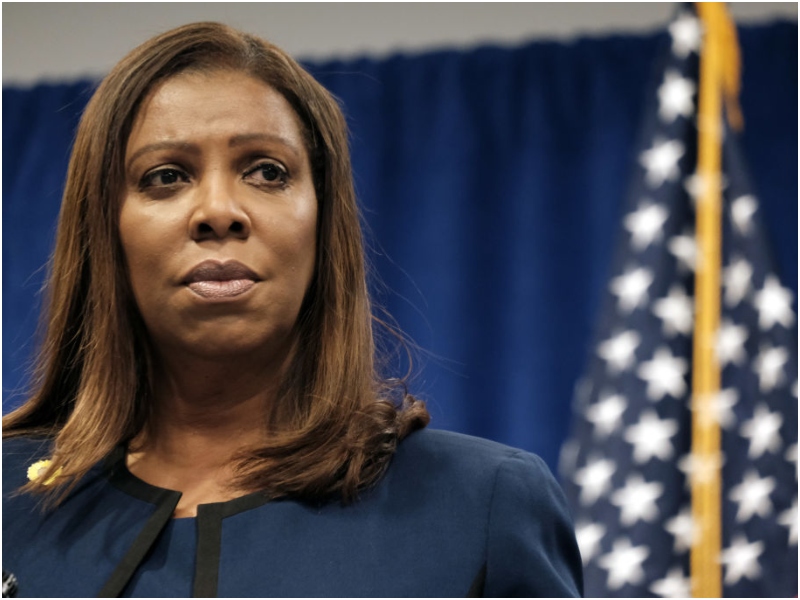
New York Attorney General Letitia James has spearheaded a multistate antitrust lawsuit seeking to block Paramount Skydance Corp.’s proposed $110 billion acquisition of Warner Bros. Discovery, arguing the transaction would unlawfully consolidate power across the American entertainment industry in violation of federal competition laws.
Filed alongside attorneys general from 11 other states, the complaint contends that the proposed merger would substantially lessen competition in multiple markets, including theatrical film distribution and basic cable television, while increasing costs for consumers and diminishing opportunities for workers and independent businesses.
“This merger would destroy that competition, creating a massive company with unprecedented power and influence over news and entertainment across the globe,” James said in announcing the litigation. “Paramount’s acquisition of Warner Bros. threatens to raise costs for consumers and put jobs and businesses nationwide at risk.”
The lawsuit asks the court to declare the transaction unlawful under Section 7 of the Clayton Act and permanently enjoin Paramount from completing its acquisition of Warner Bros. Discovery.
States challenge merger under federal antitrust law
According to the complaint, the proposed transaction would combine two of Hollywood’s five major film studios and two of the nation’s five largest basic cable companies into a single entity with significant market power across several sectors of the entertainment industry.
The coalition alleges the merger would substantially reduce competition in markets for:
- Widely released theatrical films shown in more than 600 theaters;
- Anticipated blockbuster and top-grossing motion pictures;
- Basic cable television programming.
The attorneys general argue that the transaction would create a vertically integrated media company with enhanced bargaining leverage over exhibitors, cable distributors, advertisers, and other market participants.
If consummated, the combined company would become one of four studios controlling approximately 85 percent of wide theatrical releases in the United States, according to the complaint. The lawsuit also alleges that Paramount and Disney together would control more than half of all basic cable programming.
Alleged anticompetitive effects
The complaint asserts that reduced competition would allow the merged company to negotiate more favorable terms with movie theater operators, potentially affecting box-office revenue sharing, ticket pricing, discounts, and exhibition terms.
State attorneys general argue those changes could ultimately result in higher ticket prices, fewer theatrical releases, and diminished investment in cinema operations.
The coalition similarly contends that ownership of more than 50 basic cable channels would give the combined company increased leverage in negotiations with cable and satellite distributors, allowing it to demand higher carriage fees or threaten programming blackouts.
According to the complaint, those increased costs would likely be passed on to consumers through higher cable subscription prices.
Content production and labor concerns
Beyond pricing issues, the lawsuit argues the merger would reduce incentives to invest in original film and television production.
The attorneys general cite statements made by Paramount executives to investors identifying “content spending reductions” as one of the anticipated financial synergies of the transaction.
According to the complaint, reduced investment in new programming would likely result in fewer productions, diminished employment opportunities for actors, writers, directors, and production crews, and fewer contracts for businesses supporting film and television production.
The lawsuit further argues that independent creators would face fewer opportunities as competition among major studios declines.
Media concentration raises additional concerns
The coalition also highlights the merger’s potential impact on media ownership.
If approved, Paramount would own both CBS and CNN, along with numerous cable networks including MTV, HGTV, Cartoon Network, Nickelodeon, and major sports broadcasting rights, including NFL games on CBS, NCAA March Madness, and Major League Baseball.
The complaint argues that this degree of consolidation would significantly increase concentration within both entertainment and news media markets.
Additionally, the combined company would control three major subscription streaming platforms—Paramount+, HBO Max, and Discovery+—further expanding its presence across digital distribution.
Coalition seeks permanent injunction
The lawsuit was filed by attorneys general from New York, Arizona, California, Colorado, Connecticut, Massachusetts, Minnesota, Nevada, New Jersey, New Mexico, Oregon, and Washington.
The states seek declaratory and injunctive relief preventing Paramount from completing the acquisition, arguing that post-merger remedies would be insufficient to restore lost competition if the transaction proceeds.
The litigation represents one of the most significant state-led antitrust challenges involving the media and entertainment industry in recent years and underscores increasing scrutiny of large-scale mergers that could reshape highly concentrated markets.
If successful, the case could establish an important precedent regarding judicial review of consolidation among major entertainment companies under modern antitrust principles.