
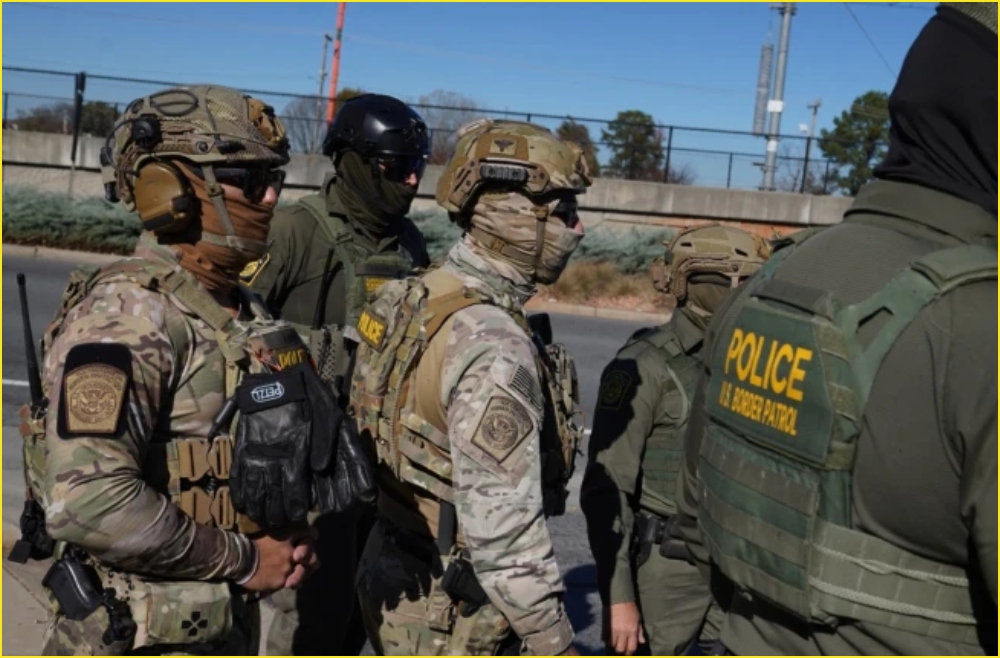
New Jersey Governor Mikie Sherrill has signed three new laws prohibiting ICE agents and local police from wearing masks while performing their duties, marking a direct legislative response to the Trump administration’s intensified immigration enforcement operations.
The measures, signed on Wednesday, March 25, 2026, require law enforcement officers — including federal immigration agents — to reveal their facial identity during public interactions, particularly those involving immigrant communities. Governor Sherrill described the laws as necessary to prevent “masked, roving militias pretending to be well-trained law enforcement agents.”
The legislation also includes provisions to build trust between law enforcement and immigrant communities and to protect the collection and sharing of personal information. Exceptions are allowed for legitimate undercover operations and situations where officers face credible threats of retaliation.
The move comes amid growing concern among New Jersey’s large immigrant population over reports of ICE agents conducting operations while wearing masks, which has left many residents fearful of going outside or interacting with authorities.
Itzel Hernandez with the American Friends Service Committee stated, “New Jersey is a highly immigrant community, and so we need to have more support in the local government and the state government, because now we don’t have the support from the federal government.”
Elizabeth Chabla of Make the Road New Jersey echoed this sentiment, calling the signing an “historic day” for immigrant rights.
Red Bank Deputy Mayor Kate Triggiano, who has advocated for the safeguards, added: “All of the residents that I communicate with have expressed that they will feel safer when there are not masks on federal agents on our streets in Red Bank… this is a local issue.”
Some Republican lawmakers have criticised the ban, arguing it could violate the rights of law enforcement officers and hinder their ability to operate safely. However, Governor Sherrill maintained that transparency and public trust outweigh such concerns in a democratic society.
The new laws take immediate effect and are expected to influence how immigration enforcement is conducted within New Jersey’s borders, potentially setting a precedent for other states concerned about federal tactics.