
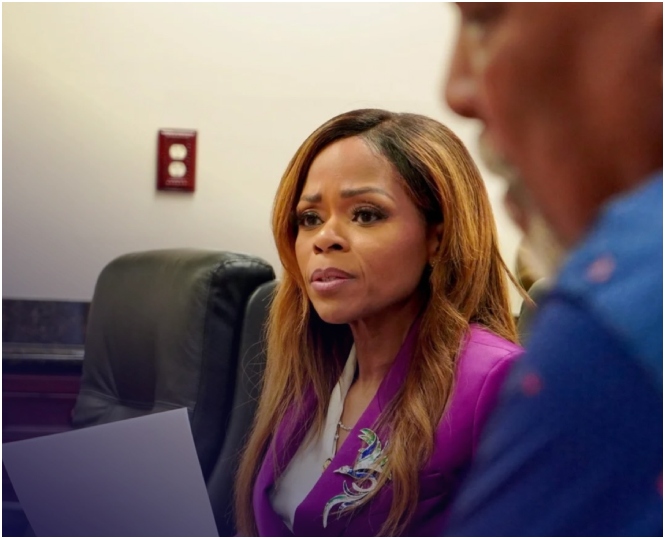
A bipartisan determination by the U.S. House Ethics Committee that Rep. Sheila Cherfilus-McCormick committed 25 ethics violations is intensifying legal and constitutional questions as the Florida lawmaker simultaneously faces pending federal criminal charges tied to the same underlying conduct.
The committee’s findings, issued after a seven-hour hearing, concluded that Cherfilus-McCormick violated House rules, including campaign finance standards, in connection with her 2022 congressional campaign.
The panel is expected to recommend sanctions when Congress reconvenes in April, with potential penalties ranging from censure to expulsion.
Ethics Findings and Legal Overlap
At the center of both the ethics inquiry and the federal prosecution are allegations that approximately $5 million in COVID-19-related funds—paid to a healthcare business linked to the congresswoman’s family—were improperly redirected.
Ethics investigators concluded that the funds were routed through affiliated entities and used to support Cherfilus-McCormick’s campaign, which had been publicly described as self-financed. The committee sustained 25 of 27 alleged violations outlined in a detailed report.
The overlap between congressional ethics enforcement and criminal prosecution raises significant legal considerations, particularly regarding evidentiary use and constitutional protections.
Fifth Amendment Invocation
Cherfilus-McCormick declined to testify during the ethics proceedings, invoking her Fifth Amendment right against self-incrimination—a move commonly seen in parallel civil or administrative proceedings when criminal exposure exists.
Her attorney, William Barzee, challenged the process, arguing the committee relied heavily on financial documentation without affording a full evidentiary hearing with witness testimony.
Barzee further contended that the proceedings risk prejudicing the congresswoman’s defense in the pending criminal case.
Federal Criminal Proceedings
Separate federal charges allege that Cherfilus-McCormick engaged in fraud and misuse of funds tied to pandemic-era relief payments. Prosecutors claim the money was used for both campaign-related expenditures and personal purchases.
The congresswoman has pleaded not guilty. A trial is expected in the coming months.
Legal analysts note that while congressional ethics findings are not determinative in criminal court, they may influence public perception and political consequences.
Constitutional and Institutional Implications
The case highlights the intersection of legislative discipline and constitutional safeguards. While the House retains broad authority under Article I to discipline its members, including expulsion, such actions must be balanced against due process concerns—particularly when criminal proceedings are ongoing.
Greg Steube has indicated he will pursue expulsion once the committee issues its recommendation, a move that would require a two-thirds vote of the full House.
Next Steps
The Ethics Committee is expected to determine appropriate sanctions following the congressional recess. Meanwhile, the federal case will proceed independently through the judicial system.
The dual-track proceedings—legislative and criminal—place Cherfilus-McCormick at the center of a complex legal landscape, where questions of campaign finance compliance, constitutional rights, and congressional authority converge.