
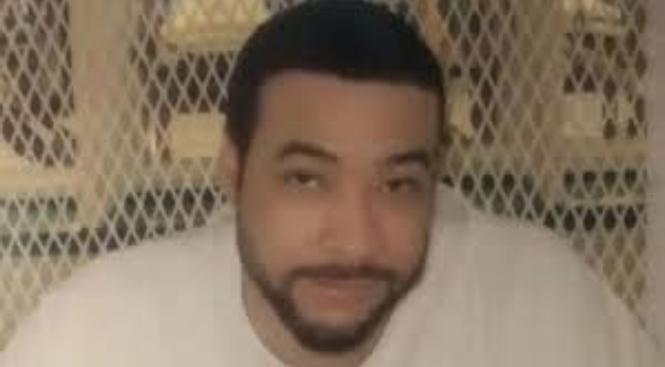
Several prominent hip-hop artists are supporting a legal effort to stop the execution of a Texas death row inmate whose rap lyrics were introduced as evidence during his sentencing.
Rappers including Fat Joe, Killer Mike, T.I., Young Thug and N.O.R.E. have joined calls for the Supreme Court of the United States to halt the execution of Texas death row inmate James Broadnax and review his case.
Broadnax was convicted in 2009 of capital murder in connection with the 2008 fatal shooting and robbery of two men in Garland, Texas. He was sentenced to death rather than life without parole.
Lyrics Used During Sentencing
During the sentencing phase of the trial, prosecutors introduced roughly 40 pages of Broadnax’s handwritten rap lyrics as evidence. Critics argue the material was used to portray the defendant as violent and contributed to the jury’s decision to impose the death penalty.
Broadnax’s legal team contends the use of those lyrics violated his constitutional rights, including protections for free speech and artistic expression.
The inmate’s attorneys are asking the Supreme Court to block his scheduled April 30 execution and review whether introducing the lyrics improperly influenced the sentencing outcome.
Artists Raise Free Speech Concerns
Artists supporting the appeal argue that rap lyrics are a form of creative expression and should not be interpreted as literal confessions or factual statements.
“Hip-hop music comes from a place of creativity and imagination,” Fat Joe said during a television interview about the case. “There’s no way on earth that the stuff we write is actually real.”
He compared rap lyrics to fiction found in books or movies, arguing that artists should not face criminal consequences for imaginative storytelling.
“If I take a kid off the street right now, he’s going to rap about having a mansion or a Bugatti,” Fat Joe said. “That kid might not even have two dollars in his pocket.”
Broader Legal Debate
The case highlights a growing legal debate over the use of rap lyrics in criminal proceedings.
Advocates say introducing artistic expression as evidence risks reinforcing stereotypes and misinterpreting metaphor or fictional storytelling as factual admissions of guilt. Critics of the practice argue that lyrics can sometimes reflect real-world conduct and therefore may be relevant in court.
Civil liberties advocates have also raised concerns that rap lyrics are disproportionately used in prosecutions involving Black defendants.
Execution Timeline
Broadnax’s execution is currently scheduled for April 30 unless the Supreme Court agrees to review the case or grants a stay.
The appeal could determine whether courts may continue to rely on rap lyrics and other artistic works when arguing for harsher criminal penalties, particularly in capital cases.