
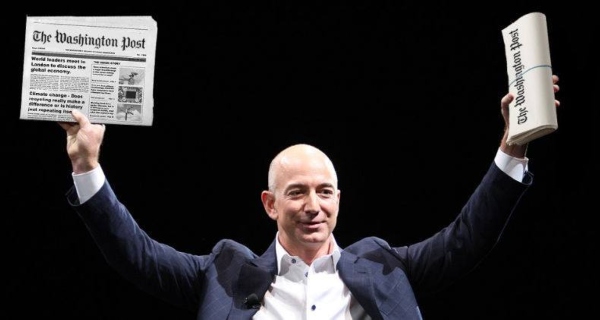
The decision by The Washington Post to lay off roughly one-third of its workforce has escalated beyond an internal business matter, raising serious legal questions about labor law compliance, newsroom protections, and the governance obligations of owners of major democratic institutions.
The cuts — estimated at approximately 300 journalists and staff — represent one of the most significant workforce reductions in the paper’s history. The Post is owned by Jeff Bezos, founder of Amazon, whose stewardship is now under intensified scrutiny from labor lawyers, media law scholars, and press freedom advocates.
WARN Act Exposure and Employment Law Obligations
At the center of the legal discussion is the Worker Adjustment and Retraining Notification (WARN) Act, a federal statute requiring employers with 100 or more employees to provide 60 days’ advance written notice before implementing mass layoffs or plant closures.
A “mass layoff” under the Act generally includes employment losses affecting:
- At least 50 employees at a single site of employment, and
- At least 33% of the active workforce
Legal analysts note that media organizations are not exempt from WARN Act requirements, regardless of financial pressures or newsroom restructuring. If notice obligations were not fully met, potential consequences could include:
- Liability for back pay and benefits
- Civil penalties
- Exposure to state-level “mini-WARN” statutes, where applicable
As of publication, The Washington Post has not publicly disclosed the legal framework under which the layoffs were executed.
Collective Bargaining and Union Considerations
The layoffs may also implicate federal labor law protections if affected employees were covered by union agreements or collective bargaining arrangements. Under the National Labor Relations Act (NLRA), employers are prohibited from making unilateral changes to terms and conditions of employment without bargaining in good faith.
Labor attorneys caution that disputes could arise over:
- Severance structures
- Timing and notice
- Allegations of retaliatory or discriminatory impact
Newsroom unions nationwide have increasingly challenged mass layoffs as undermining both worker rights and the public interest.
Media Law and Democratic Accountability
Beyond employment law, the Post’s decision has revived debate over the legal and constitutional role of the press. While private ownership affords broad discretion, First Amendment scholars argue that severe newsroom contractions at institutions central to political accountability raise systemic concerns.
The Washington Post occupies a unique legal and historical position in American democracy, having played a pivotal role in landmark investigations such as Watergate. Critics argue that drastic reductions in investigative capacity weaken the press’s function as a constitutional check on power — a role the First Amendment was designed to protect, though not financially guarantee.
Corporate Governance and Fiduciary Tensions
Bezos’ dual status as a technology magnate and media owner has sharpened scrutiny around corporate governance norms. Legal analysts note the growing tension between:
- Efficiency-driven management models common in tech
- The public-interest mission traditionally associated with legacy journalism institutions
While no law requires a media owner to subsidize losses indefinitely, critics argue that ownership concentration raises governance questions about whether financial decisions align with the long-term civic purpose of the enterprise.
A Test Case for the Legal Future of Journalism
The Washington Post layoffs arrive amid a broader contraction in the journalism industry, but their scale and symbolism elevate the legal stakes.
As courts, regulators, and labor boards increasingly confront disputes arising from newsroom downsizing, the Post’s restructuring may become a reference point in future litigation and policy debates.