
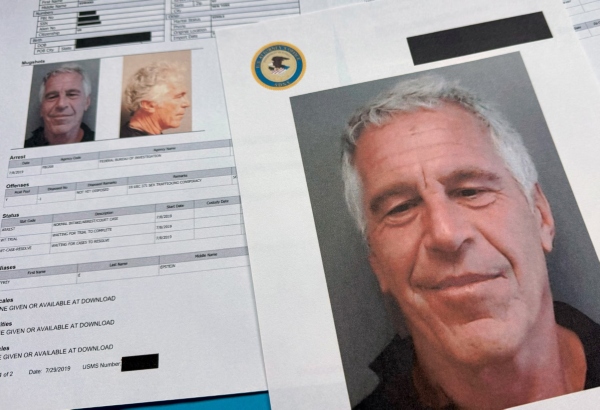
The release of newly unsealed Jeffrey Epstein–related files has set off a fast-moving, multinational chain of legal and institutional responses, as prosecutors, governments, media organizations and law firms take action against individuals named or linked in the documents.
What is emerging is a widening chronology of accountability efforts that now spans several jurisdictions and legal systems.
Early International Criminal Investigations
The first major responses unfolded in Europe. In the United Kingdom, authorities confirmed the launch of a criminal investigation into Peter Mandelson, a former UK ambassador to the United States, following allegations connected to the Epstein materials.

The gravity of the revelations prompted an extraordinary public response: Prime Minister Keir Starmer issued a formal national apology, acknowledging institutional failures surrounding Mandelson’s conduct and oversight.
At roughly the same time, Lithuanian authorities opened a human trafficking investigation, citing information surfaced in the Epstein files that allegedly implicates transnational networks. While specific suspects have not been publicly charged, officials confirmed the inquiry is active and ongoing.
In Poland, prosecutors announced a criminal probe examining Epstein’s alleged connections to Russian intelligence entities. The investigation focuses on whether Epstein functioned as a conduit or asset in broader foreign intelligence operations, an allegation that significantly expands the legal scope of the scandal beyond sexual crimes into national security concerns.
Institutional and Professional Consequences in the United States
In the United States, the fallout has been swift and highly visible. Peter Atiyah, a prominent health and wellness influencer and media contributor, lost his contributorship at CBS and stepped down from affiliated professional roles after his ties to Epstein resurfaced. CBS confirmed the separation, citing internal standards and reputational risk.
Within the legal profession, one of the most consequential developments involved Paul Weiss, among the world’s most powerful law firms. Its chairman stepped down following scrutiny of connections revealed in the Epstein files. Legal analysts describe the resignation as one of the most significant governance shakeups tied to the Epstein revelations to date, underscoring the files’ reach into elite legal institutions.
Escalating Political and Civil Accountability
Political consequences are also mounting. Bill and Hillary Clinton, both previously linked to Epstein through social and travel records, are now facing demands for public testimony. While no criminal charges have been announced, calls for sworn testimony signal a shift from reputational controversy to formal accountability mechanisms.
Meanwhile, the Epstein files have also altered the civil justice landscape. Virginia Giuffre, one of Epstein’s most prominent accusers, has been publicly vindicated following confirmation that a long-disputed 2001 photograph — showing her with Prince Andrew associate Drew Maxwell — is authentic. The verification undermines years of claims that the image was fabricated and strengthens the credibility of her broader allegations.
A Rapidly Expanding Legal Reckoning
Legal observers note that the pace of developments is unusual in both speed and scope. The Epstein files are no longer generating isolated resignations or apologies; instead, they are producing coordinated legal actions across criminal, civil, professional and political domains.
Prosecutors in multiple countries have stressed that investigations remain active, with additional inquiries expected as documents continue to be reviewed. What began as a document release is now evolving into a sustained, international legal reckoning — one that continues to grow with each passing day.