
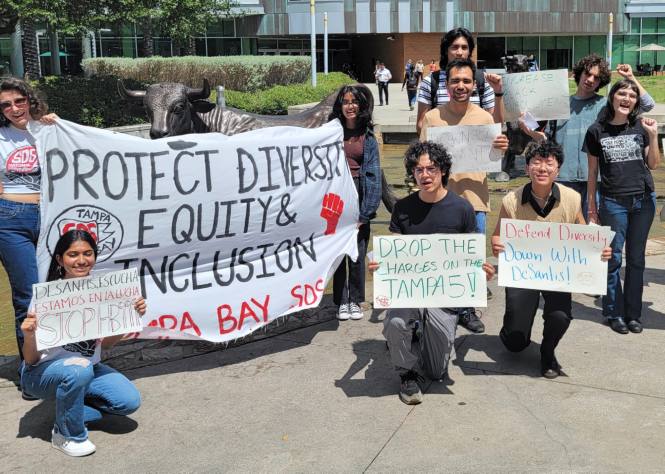
In a significant legal development affecting civil rights and education law, the U.S. Department of Education (ED) has abandoned its appeal of a federal court ruling that struck down the controversial Dear Colleague Letter (DCL) that sought to tie federal funding to restrictions on diversity, equity, and inclusion (DEI) programs in schools and colleges.
This move signals the end of a major component of the Trump administration’s effort to limit DEI initiatives nationwide.
The Dear Colleague Letter, issued on February 14, 2025, asserted—without clear statutory authority—that many DEI practices violated federal civil rights law (Title VI of the Civil Rights Act of 1964) and warned schools they risked losing federal funds if they did not eliminate what the ED characterized as unlawful “race-based” programs. It also included a certification requirement for K-12 districts to confirm compliance with the administration’s interpretation of nondiscrimination law.
Shortly after its release, multiple lawsuits were filed challenging the letter as unconstitutional and procedurally improper. Plaintiffs included the American Federation of Teachers (AFT), the National Education Association (NEA), the American Sociological Association, several states, and other education stakeholders. They argued the directive violated the First Amendment (by chilling free speech and academic freedom), the Fifth Amendment (as overly vague and arbitrary), and the Administrative Procedure Act (APA) (because it imposed new legal obligations without proper rule-making procedures).
The litigation culminated in a landmark federal district court ruling in American Federation of Teachers v. U.S. Department of Education and related actions, in which U.S. District Judge Stephanie Gallagher held that both the DCL and the certification requirement were unlawful, vacating them nationwide. The judge found the department had exceeded its authority by attempting to expand Title VI to cover classroom speech and programs historically understood as lawful DEI practices, and by failing to follow required administrative procedures.
Instead of pursuing further review, the Department of Education on Jan. 21, 2026 filed a joint motion to dismiss its appeal, effectively abandoning efforts to reinstate the anti-DEI policy. Legal analysts say this signals the department’s retreat from its aggressive anti-equity enforcement strategy in the face of sustained judicial rebukes.
Legal and Educational Implications
Civil Rights and Free Speech:
The lawsuits asserted that the DCL’s language was overly broad and vague, leaving educators uncertain about what constituted prohibited conduct and threatening constitutional protections for speech and academic freedom, especially around discussions of systemic racism and inclusive curriculum.
Procedural Safeguards:
Under the APA, federal agencies are required to follow transparent procedures when issuing new interpretations of law that have broad effects on states, school districts, and institutions. Courts determined the Education Department’s guidance lacked adequate justification and procedural legitimacy.
Impact on Schools:
While the anti-DEI effort is now legally dormant, the litigation itself had earlier caused some schools and universities to preemptively alter or remove DEI language to avoid potential federal sanction, illustrating the “chilling effect” legal experts warned about.
Statements from education advocacy groups welcomed the decision, framing it as a defense of inclusive educational practices and institutional autonomy. However, critics of DEI may continue to explore other legal avenues, and federal enforcement priorities remain a subject of political and legal debate.