

California has become the first U.S. state to formally join the World Health Organization’s (WHO) Global Outbreak Alert and Response Network (GOARN), marking a significant legal and policy move in global health governance following the United States’ withdrawal from the U.N. health agency.
The announcement was made on Friday, days after the federal government officially completed its exit from the WHO—a process initiated more than a year ago under President Donald Trump.
The administration cited dissatisfaction with the WHO’s handling of the COVID-19 pandemic and broader concerns about the agency’s management.
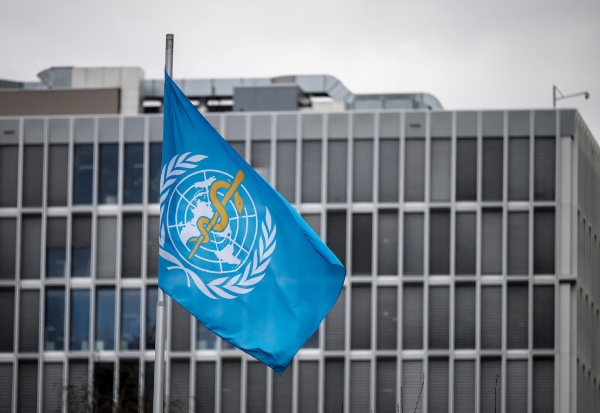
GOARN is a WHO-coordinated network of more than 360 technical institutions and partners worldwide that mobilizes expertise, personnel, and resources to respond rapidly to public health emergencies, including infectious disease outbreaks and humanitarian crises.
California Governor Gavin Newsom sharply criticized the U.S. withdrawal, describing it as a “reckless decision” with far-reaching consequences for global and domestic public health.
“California will not bear witness to the chaos this decision will bring,” Newsom said in a statement. “We will continue to foster partnerships across the globe and remain at the forefront of public health preparedness, including through our membership as the only state in WHO’s Global Outbreak Alert & Response Network.”
According to the governor’s office, Newsom met earlier this week with WHO Director-General Dr. Tedros Adhanom Ghebreyesus at the World Economic Forum in Davos, Switzerland.
Their discussions focused on collaboration to detect, prevent, and respond to emerging public health threats.
The move raises notable legal and constitutional questions, as foreign affairs and treaty participation traditionally fall under federal jurisdiction. However, California officials framed the decision as a public health partnership rather than treaty membership, emphasizing the state’s authority to engage in international cooperation on technical and health-related matters.
Legal analysts note that while states cannot independently join international treaties, participation in global networks and cooperative frameworks—particularly those focused on research, data sharing, and emergency response—has precedent and generally does not require federal approval.
The WHO did not immediately respond to requests for comment.
California’s decision underscores a widening divergence between state and federal approaches to international health engagement, with potential implications for public health law, intergovernmental relations, and the role of subnational governments in global governance.