
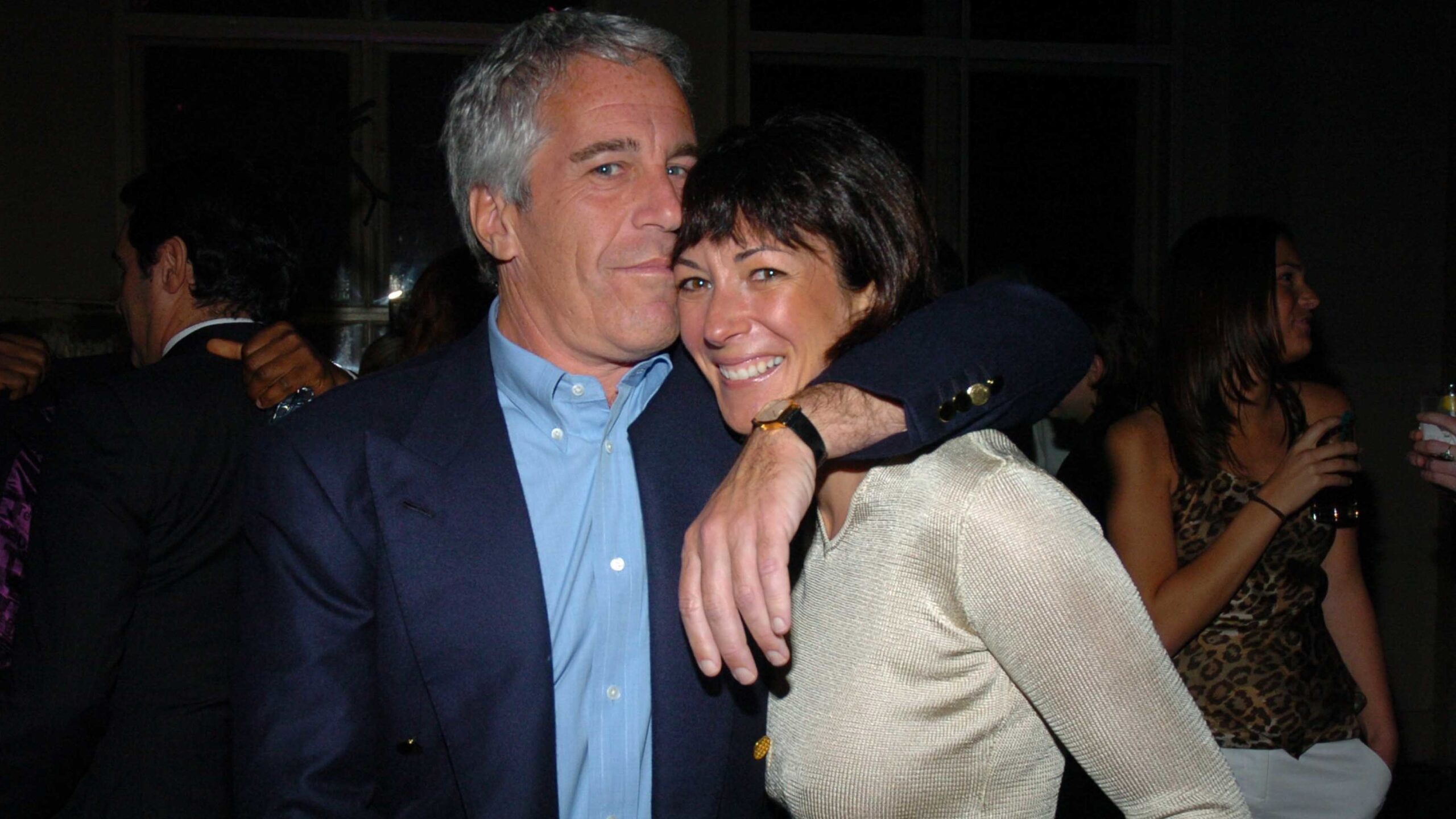
The U.S. Department of Justice (DOJ) under President Donald Trump has filed a controversial legal motion seeking to prevent the appointment of an independent monitor to oversee the release of internal files related to convicted sex trafficker Jeffrey Epstein and his associate Ghislaine Maxwell, court filings show.
In a motion submitted on Friday, January 16, 2026, to U.S. District Judge Paul Engelmayer, the DOJ argued that Representatives Ro Khanna (D-Calif.) and Thomas Massie (R-Ky.) — who had filed an amicus curiae brief urging greater transparency — lack legal standing to intervene in the matter because they were not parties to the original criminal case against Maxwell.
The lawmakers had urged the judge to appoint a neutral third party to oversee the ongoing release of the so-called Epstein files — a massive trove of investigative documents and related materials connected to Epstein’s criminal network. The request was grounded in concerns about the Department of Justice’s slow pace and extensive redactions as mandated by the Epstein Files Transparency Act, federal law signed in November 2025 that requires the DOJ to release all unclassified documents related to Epstein within 30 days.
Despite the law’s clear deadline, the DOJ conceded that it has yet to release the vast majority of the files. According to recent legal filings, more than 2 million documents remain under review, with only a fraction publicly available so far.
In its motion, the Justice Department contends that the court lacks authority to approve the independent monitor plan because the legislators are not parties to the underlying criminal proceedings against Maxwell. The agency also defended its ongoing review process, saying the sheer volume of material — reportedly millions of pages — requires extensive scrutiny and redaction to protect the privacy of victims.
Critics have seized on the DOJ’s filing as evidence that the federal government is attempting to delay or circumvent the spirit of the Epstein Files Transparency Act. Lawmakers and advocates have lambasted the department for missing key deadlines and for the slow pace of document release, fueling public skepticism about accountability.
Khanna described the department’s legal position as a misinterpretation of the legislators’ request, arguing that the transparency law and a separate court order require the files to be produced without unnecessary delay or excessive redactions. He and others assert that independent oversight could help assure the public and victims that the government is complying with its legal obligations.
The legal dispute marks the latest chapter in a broader controversy over how the Epstein archive — long shrouded in secrecy — should be handled. Over the past weeks, thousands of pages of previously unseen files have been released to the public, sometimes with heavy redactions, prompting debate over what should be disclosed and what should remain confidential.
Observers caution that the case could have significant implications for how executive branch documents tied to high-profile criminal investigations are released in the future, especially when legislation directs disclosure but practical challenges arise in implementation.