
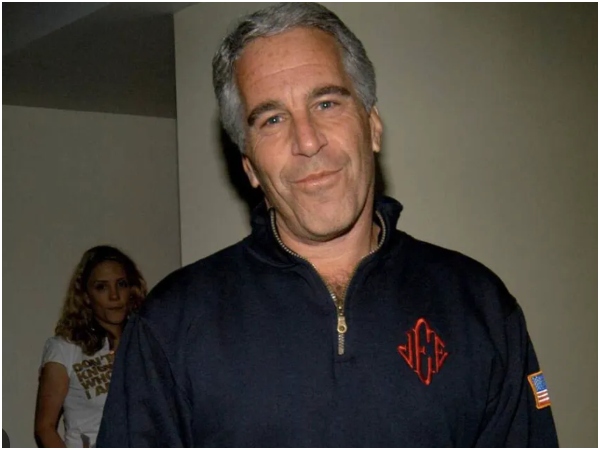
A federal judge in New York has ordered the US Department of Justice (DOJ) to explain why it has not released millions of documents related to the late financier Jeffrey Epstein, responding to a request from bipartisan lawmakers seeking greater court oversight of the process.
The development was disclosed by Representative Ro Khanna, a Democrat from California, who said a New York district court judge had reacted to an amicus brief he filed jointly with Republican Representative Thomas Massey. The brief argues that the DOJ is failing to comply with existing disclosure obligations and is improperly withholding key Epstein-related records.
According to Khanna, the judge has directed the DOJ to justify its refusal to appoint a special master—an independent, court-appointed official who would oversee the review and release of the documents.
“A few days ago, Thomas Massey and I filed an amicus brief in the District Court of New York,” Khanna said in a video accompanying his social media post. “We said that the Department of Justice was not complying with our law, that they were sitting on millions of documents, and we asked the judge to order a special master so that the documents were released.”
Khanna said the judge’s order now requires the DOJ to explain both whether a special master should be appointed and why the documents have not been fully disclosed. He described the move as “a huge step forward” in efforts to bring transparency to the long-running Epstein investigation.
The lawmakers argue that the withheld materials include critical FBI FD-302 interview reports, which summarize witness and victim statements given to federal agents. According to Khanna, these records may contain information identifying “rich and powerful men” allegedly implicated by survivors of Epstein’s abuse.
The judge overseeing the matter was appointed during the Obama administration, Khanna noted, adding that the court may ultimately order broader disclosure of the files. Both lawmakers have indicated they intend to formally respond once the DOJ submits its explanation to the court.
Epstein, a wealthy financier with powerful political and business connections, died in federal custody in 2019 while awaiting trial on sex trafficking charges. Although some court records and related documents have been released over the years, lawmakers, journalists, and survivors have repeatedly accused federal authorities of excessive secrecy surrounding the scope of Epstein’s network and the handling of evidence.
In background materials previously cited by Khanna’s office, members of Congress have argued that court supervision is necessary to restore public confidence and ensure compliance with disclosure laws governing federal investigations.
The court’s latest order does not compel immediate release of the Epstein files but places the DOJ under formal judicial scrutiny, increasing the likelihood of further legal action if the department fails to adequately justify its position.