
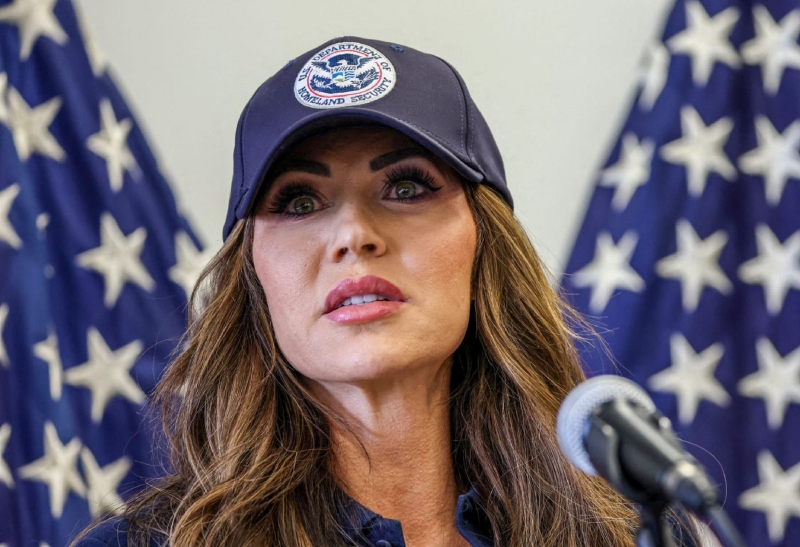
Illinois Secretary of State Alexi Giannoulias has joined Attorney General Kwame Raoul and the City of Chicago in a federal lawsuit accusing the U.S. Department of Homeland Security (DHS) of engaging in unlawful activities within Illinois, including swapping or altering state license plates and exceeding their authority under both federal and state law.
Included in the lawsuit is Secretary Kristi Noem, Immigration and Customs Enforcement (ICE), Customs and Border Protection (CBP) and other federal agents.
Filed January 12, 2026, in the U.S. District Court for the Northern District of Illinois (Case No. 1:2026cv00321), the complaint challenges conduct that state leaders say violates Illinois law, public safety norms and constitutional protections by federal agents operating far from the nation’s borders.
Allegations Against Federal Agents
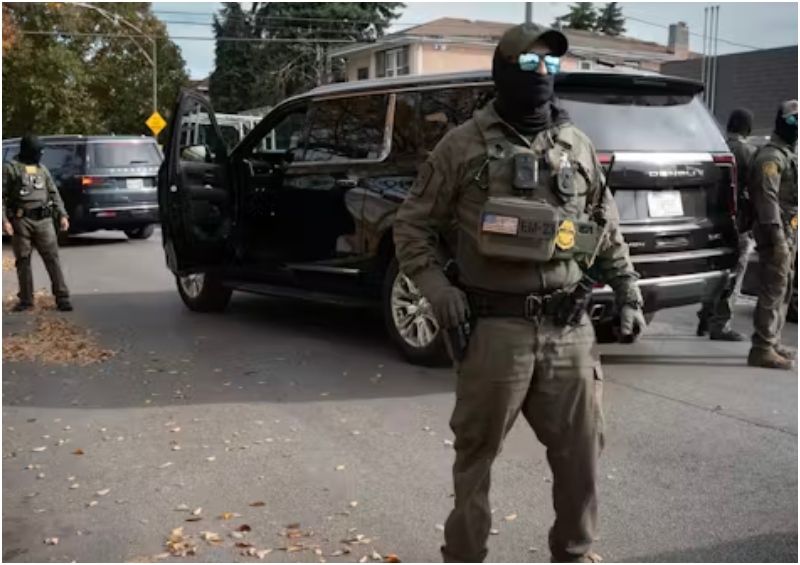
At the core of the lawsuit is the claim that ICE and CBP agents swapped, masked or altered Illinois license plates on vehicles used during interior enforcement operations — practices explicitly prohibited under state law.
State officials launched a “Plate Watch Hotline” in October 2025 after residents submitted hundreds of tips about possible license plate tampering, including video evidence of an ICE agent admitting, “You can record all you want. We change the plates out every day.”
Giannoulias has stressed that tampering with license plates is illegal and dangerous, asserting that no one, including federal agents, is above state law when operating on Illinois roads. His office even revoked the registration of a rental vehicle after confirming agents had switched its plates.
But the suit goes beyond license plates, linking this practice to broader concerns about the way federal immigration enforcement has been conducted in the state. Other claims — reflected in companion state litigation — include allegations that immigration agents have:
- Conducted warrantless arrests and enforcement activities outside the 25-mile border zone, contrary to statutory authority.
- Trespasseed on private and city property during raids.
- Deployed tear gas and chemical agents against bystanders in Chicago neighborhoods.
- Used biometric surveillance tools such as mobile facial recognition and fingerprint scanning in a manner that Illinois argues exceeds federal statutory limits and violates state privacy protections.
Why This Lawsuit Matters
Legal experts say the lawsuit signals an escalation in state-federal litigation over immigration enforcement, particularly the tension between states’ rights and federal authority. Illinois’ complaint raises several legal issues of national importance:
- State Sovereignty: The suit asserts that federal agents’ conduct interferes with Illinois’ ability to enforce its vehicle code and protect residents’ safety, invoking long-standing debates about the Tenth Amendment and state policing powers.
- Privacy Rights: By challenging biometric data collection and visual surveillance practices deployed deep inside the state, Illinois is pushing back against federal expansion of enforcement tools without individual suspicion or warrants.
- Public Safety and Accountability: The license plate swapping claim highlights broader concerns about transparency and compliance with local laws, undermining trust between communities and federal enforcement agencies.
The lawsuit has drawn attention from advocates, civil liberties groups and other state officials who are watching similar legal challenges unfold. For example, Minnesota officials also filed a parallel suit, alleging that DHS and its agencies engaged in unconstitutional interior enforcement tactics that jeopardize residents’ rights.
Next Steps in Federal Court
The case will be overseen in the Northern District of Illinois, where state attorneys aim to prevent what they describe as federal overreach and unlawful practices within state borders.
The outcome could shape future legal battles over the limits of federal immigration enforcement and the ability of states to protect local rules and civil liberties.