
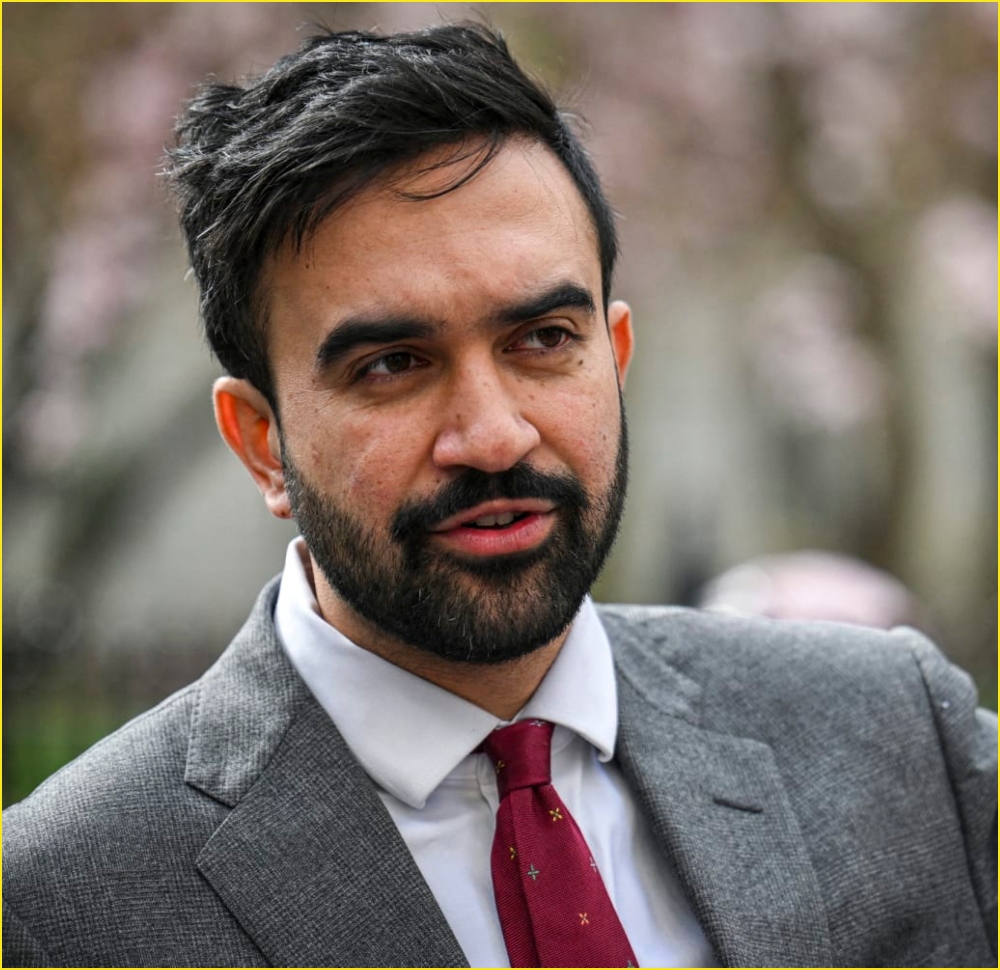
New York City Mayor Zohran Mamdani says he directly told President Donald Trump that he opposed the U.S. military’s capture of Venezuelan President Nicolás Maduro, raising concerns about international law, regime change, and the legal implications of the operation.
Speaking on Saturday, January 3, 2026, Mamdani confirmed that he spoke with Trump by phone after receiving a briefing on Maduro’s capture and his reported transfer to New York, where U.S. authorities plan to prosecute him on narco-terrorism charges.
“I called the president and spoke with him directly to register my opposition to this act,” Mamdani said. “That opposition was based on being against the pursuit of regime change, the violation of federal and international law, and a desire to see consistency in how those laws are applied.”
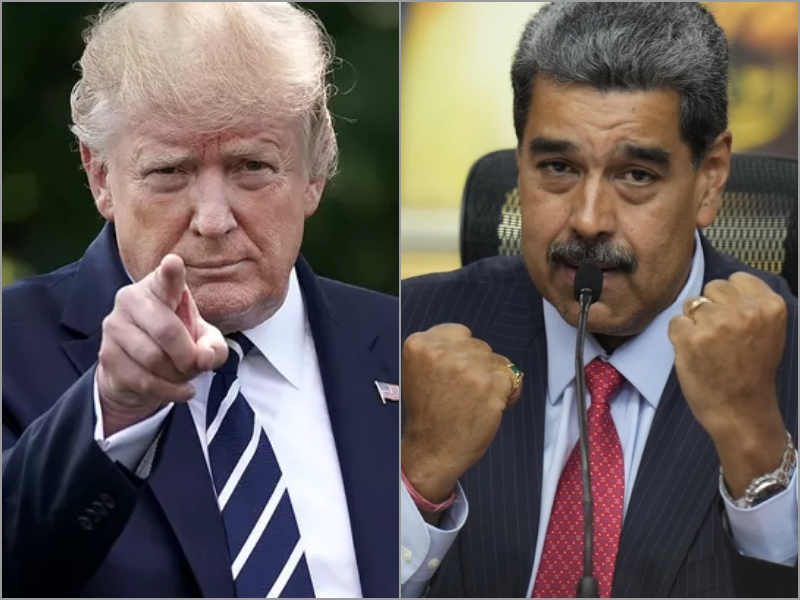
The comments came during an unrelated press conference in Greenpoint, Brooklyn, just three days into Mamdani’s tenure as mayor.
He declined to disclose Trump’s response to the call, saying only, “I registered my opposition. I made it clear and we left it at that.”
Legal and International Law Concerns
In a more detailed statement posted earlier on X, Mamdani described the U.S. military operation as a unilateral act that he said amounted to an act of war.
“Unilaterally attacking a sovereign nation is an act of war and a violation of federal and international law,” the mayor wrote. He added that the alleged pursuit of regime change in Venezuela carries direct consequences for New Yorkers, particularly the city’s large Venezuelan immigrant community.
According to Mamdani, his administration is closely monitoring developments and will issue guidance as needed to ensure public safety.
“My focus is the safety of tens of thousands of Venezuelans who call this city home, and the safety of every New Yorker,” he said.
A Complicated Relationship With Trump
Mamdani’s remarks highlight the evolving and often tense relationship between the new mayor and the president. During the recent mayoral campaign, Trump repeatedly labeled Mamdani a “communist,” while Mamdani publicly criticized Trump as a “despot.”
However, following Mamdani’s election, the two leaders appeared together at a surprisingly cordial Oval Office meeting, where both expressed interest in working together on shared priorities such as crime reduction and housing affordability in New York City.
The Maduro case now places Mamdani at the center of a broader legal and constitutional debate, as questions grow over the scope of U.S. military authority abroad, the legality of foreign leader apprehensions, and the implications of prosecuting a sitting—or recently removed—head of state in U.S. courts.
As the federal case against Maduro develops, Mamdani’s public opposition underscores a rare instance of a major U.S. city mayor openly challenging presidential authority on foreign policy and international law grounds.