
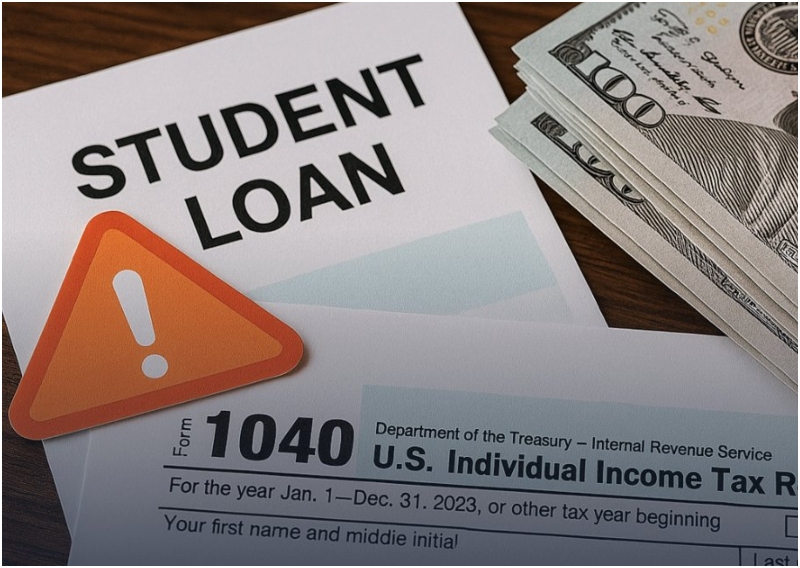
The U.S. Department of Education has announced that the Trump administration will begin garnishing wages of federal student loan borrowers in default starting in January 2026, marking a major escalation in efforts to recover delinquent federal debts.
According to the department, the first notices are expected to be sent during the week of January 7 to roughly 1,000 borrowers, with the program scaling up in the following months. Wage garnishment, officially known as administrative wage garnishment, allows the federal government to instruct non-federal employers to withhold a portion of an employee’s income to repay defaulted student loans.
The Department of Education has highlighted that more than 5 million borrowers are currently in default, with nearly 4 million additional borrowers delinquent for over 90 days. This move follows the administration’s restart of student loan collections earlier this year, as well as the resumption of the Treasury Offset Program, which recovers defaulted debts from federal and state payments, including tax refunds and Social Security benefits.
Critics argue that the policy may increase financial stress for struggling borrowers.
“As millions of borrowers sit on the precipice of default, this Administration is using its self-inflicted limited resources to seize borrowers’ wages instead of defending borrowers’ right to affordable payments,” said Persis Yu, Deputy Executive Director of Protect Borrowers.
The garnishments come amid broader changes in federal student loan policy. The “One Big Beautiful Bill Act,” passed earlier this year, imposed new borrowing caps for graduate students and parents, eliminated certain deferments, and restricted repayment options. In addition, the administration announced plans to end the Biden-era SAVE repayment plan, which could affect nearly 8 million borrowers if approved by federal courts.
Borrowers in default will no longer qualify for deferments or forbearance and cannot select repayment plans until they resolve their default. The Department of Education urges affected borrowers to contact the Default Resolution Group for guidance. For those facing severe financial hardship, loan discharge through bankruptcy remains possible under strict eligibility criteria.
This policy signals a stricter approach to federal student loan enforcement and could impact millions of Americans, raising concerns about the balance between debt recovery and borrower protections.