
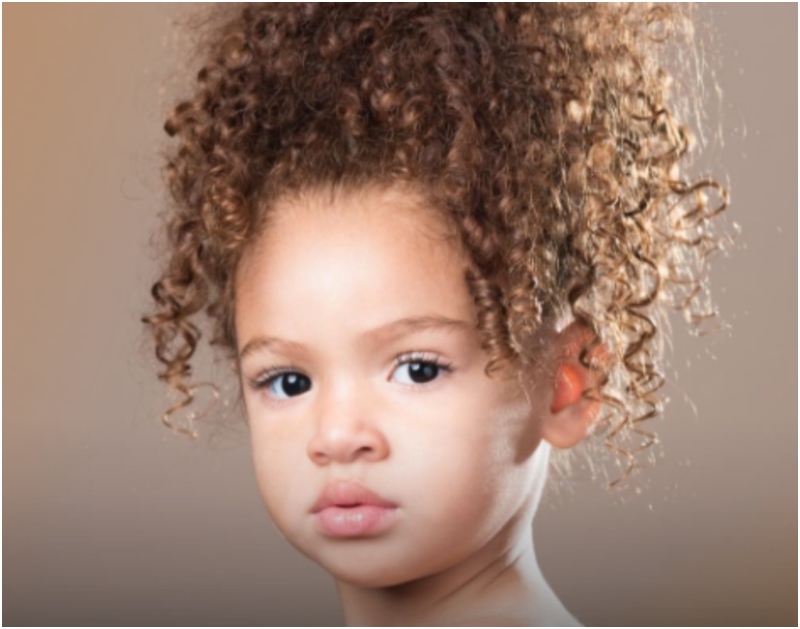
In 2014, a deeply personal fertility mistake in the United States evolved into a nationally watched legal case that forced courts, lawyers and the public to confront difficult questions about medical negligence, race, and the limits of wrongful birth claims.
At the centre of the case was Jennifer Cramblett, an Ohio woman who sued Midwest Sperm Bank after discovering that her daughter was conceived using sperm from a donor different from the one she and her same-sex partner had deliberately chosen.
A Personal Decision, a Clinical Error
Cramblett and her partner, Amanda Zinkon, had selected sperm from a white donor while planning their pregnancy.
According to court filings, the fertility clinic mistakenly used sperm from an African-American donor due to poor record-keeping practices at the sperm bank. The lawsuit alleged that donor vial numbers were handwritten “in pen and ink” and that the bank lacked an electronic tracking system—conditions that made errors more likely in a highly sensitive medical process.
The couple only learned of the mistake months into the pregnancy. While five months pregnant, Cramblett contacted the sperm bank to reserve additional sperm from the same donor for a future sibling. Instead, she was informed that the donor used in her insemination was not the one she had selected.
“How could they make a mistake that was so personal?” Cramblett asked in an interview at the time. “They took a personal choice, a personal decision and took it on themselves to make that choice for us out of pure negligence.”
The Lawsuit: Wrongful Birth and Breach of Warranty
Cramblett filed suit seeking at least $50,000 in damages, citing wrongful birth and breach of warranty. She argued that the error caused emotional distress, financial hardship and long-term uncertainty about raising her daughter in a predominantly white and, in her view, racially intolerant community in Uniontown, Ohio.
Although she repeatedly stated that she loved her daughter, Payton, the lawsuit detailed concerns about cultural isolation, racial prejudice and the family’s lack of familiarity with African-American culture. One example cited was the difficulty of finding appropriate hair care services for Payton, which required travelling to a predominantly Black neighbourhood where Cramblett said she felt unwelcome.
The case immediately ignited controversy. Many critics accused Cramblett of framing race itself as a form of harm, while others focused on the alleged negligence of the sperm bank and the broader implications for fertility industry oversight.
Legal Experts Weigh In
Legal analyst Rikki Kliemann, speaking to CBS News, described the lawsuit as legally complex and morally uncomfortable.
“This is called a wrongful birth lawsuit,” Kliemann explained, noting that such claims traditionally involve congenital disabilities or medical conditions that parents were not warned about. Applying the concept to a case involving a healthy child, he said, was “an unfortunate labeling.”
He added that the breach-of-warranty claim was also problematic, as it risked treating human reproduction like a defective consumer product.
Midwest Sperm Bank declined public comment at the time, citing ongoing litigation, but acknowledged the mistake and issued an apology along with a partial refund.
The Court’s Decision
In a key development, a DuPage County judge in Illinois later dismissed Cramblett’s lawsuit. Judge Ronald Sutter ruled that the wrongful birth claim could not stand where a healthy child was born, effectively rejecting the legal argument that the child’s race constituted a compensable harm.
However, the judge left the door open for Cramblett to refile her case under a negligence claim, recognising that the sperm bank’s alleged procedural failures could still be legally relevant.
The sperm bank’s attorney, Bob Summers, argued that wrongful birth law could not be stretched to cover such circumstances, a position the court ultimately accepted.
Why the Case Still Matters
Though the lawsuit was dismissed, the case remains influential more than a decade later for several reasons:
- Medical Accountability: It highlighted weaknesses in fertility clinic record-keeping and the need for stricter regulatory standards in reproductive medicine.
- Legal Boundaries: The ruling clarified limits on wrongful birth claims, reinforcing that courts are reluctant to treat a child’s identity or race as a legal injury.
- Ethical Reflection: The case exposed unresolved tensions around race, privilege and cultural preparedness in family planning.
- Global Relevance: As fertility tourism and assisted reproduction grow worldwide—including in parts of Africa—the case serves as a cautionary tale about consent, documentation and patient rights.
The story underscores a broader lesson: advanced reproductive technologies demand not only technical precision but also ethical sensitivity and robust legal safeguards.
Errors in such contexts are not merely clinical—they reshape lives, families and public trust.