
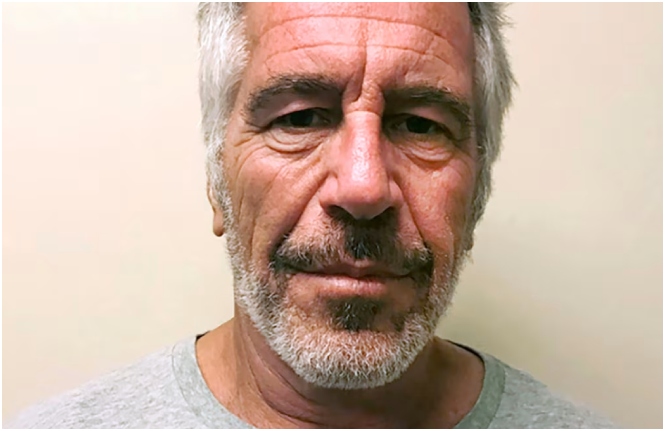
A federal judge in New York has approved the Justice Department’s request to unseal grand jury materials from Jeffrey Epstein’s 2019 sex trafficking case, following Congress’ recent passage of the Epstein Files Transparency Act.
In a four-page ruling Wednesday, U.S. District Judge Richard Berman emphasized that disclosure must protect the privacy and safety of victims, citing survivor concerns that records should not expose their identities or personal information. The order marks a shift from Berman’s earlier August decision, when he rejected the DOJ’s request due to potential threats to victims and insufficient justification for public release.
“The Court hereby grants the Government’s motion in accordance with the Epstein Files Transparency Act and with the unequivocal right of Epstein victims to have their identity and privacy protected,” Berman wrote. The judge also referenced the statute’s clear language requiring release while safeguarding sensitive materials such as medical and personal files.
The timing of the records’ release remains uncertain, and officials from the Justice Department and Epstein’s estate have yet to comment. This decision comes just a day after a Florida federal judge ordered the release of grand jury records related to Ghislaine Maxwell, Epstein’s longtime associate and convicted sex trafficker.
The 2019 case gained renewed attention due to the bipartisan push in Congress to open Epstein-related records, which culminated in the law’s enactment on November 19, 2025, mandating disclosure within 30 days.
Epstein, who died in jail while awaiting trial on federal sex trafficking charges, has remained a focus of public and political scrutiny, including conspiracy theories surrounding his death.
Observers say unsealing the records will provide a more complete legal account of the case while balancing victims’ rights, but they are unlikely to reveal previously unknown victims or methods, according to prior court filings. The ruling underscores the ongoing tension between transparency, accountability, and victim protection in high-profile criminal cases.