
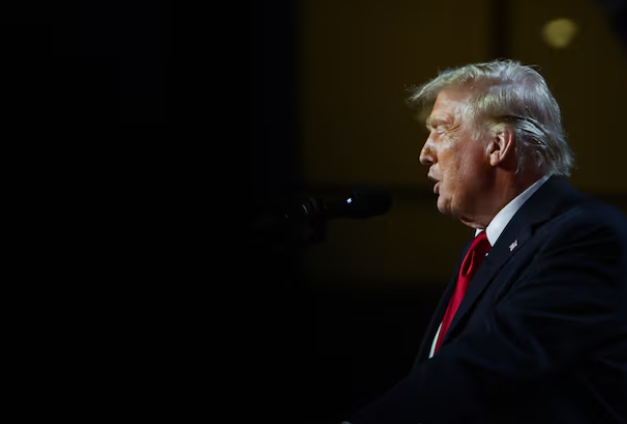
A new ProPublica investigation is raising fresh questions about President Donald Trump’s real estate practices, reporting that he once declared two different Florida homes as his “primary residence” — the same type of alleged mortgage fraud he has publicly accused his political opponents of committing.
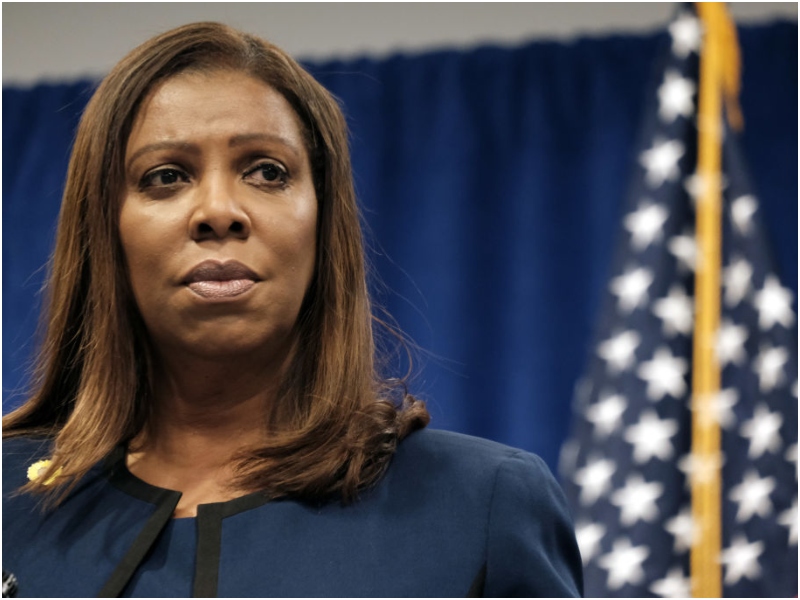
The irony has not gone unnoticed. ProPublica’s findings come as Trump continues to accuse New York Attorney General Letitia James and Federal Reserve Governor Lisa Cook of fraudulent loan filings — allegations both women have denied. Charges against James were dismissed on procedural grounds. Cook has called Trump’s claims “categorically false.”
But according to mortgage documents reviewed by ProPublica, Trump himself did what he says should be grounds for criminal referral.
Two Mortgages, Seven Weeks Apart — Both Marked “Primary Residence”
The report centers on two Palm Beach properties Trump purchased in 1993:
- Mortgage #1: Trump signed for a “Bermuda-style” home and certified it would be his principal residence.
- Mortgage #2 (Seven Weeks Later): Trump purchased the neighboring house — and also claimed it would be his principal residence.
Experts told ProPublica that claiming dual primary residences isn’t automatically illegal, but Trump’s situation raises flags for a simple reason:
He wasn’t living in either property.
Trump, who maintained his primary base in New York at the time, apparently rented out both houses. A longtime Trump real estate agent confirmed that they functioned as investment properties — the exact circumstance Trump’s own administration called “evidence of fraud.”
The Trump Administration’s Standard Comes Back to Bite
This isn’t simply a matter of paperwork. Under Trump, federal officials adopted a strict public line about loan applicants who claim multiple primary residences.
Bill Pulte, then-head of the Federal Housing Finance Agency, said:
“If somebody is claiming two primary residences, that is not appropriate, and we will refer it for criminal investigation.”
By that logic, mortgage law expert Kathleen Engel told ProPublica:
“Trump is going to either need to fire himself or refer himself to the Department of Justice.”
She noted that Trump insisted this type of misrepresentation was serious enough to disqualify someone from public service — a standard his own filings fail to meet.
Trump’s Response: A Hang-Up
When asked directly whether his Florida mortgages resembled the filings he has accused others of committing, ProPublica says Trump abruptly hung up.
He has yet to comment further.
The Trump campaign has dismissed similar investigative reports as partisan attacks, but has not issued a specific rebuttal to the mortgage documents uncovered by ProPublica.
Political Stakes Are High
The story lands at a pivotal moment in U.S. politics. Trump is running to reclaim the White House, campaigning on a message that paints political rivals as corrupt, dishonest, and criminally unfit for office.
This report cuts directly against that narrative.
Whether the mortgage filings amount to a legal violation remains unclear — experts say such cases are seldom prosecuted — but politically, the revelations play into longstanding criticisms of hypocrisy and projection.
During his first term, Trump repeatedly accused opponents of actions or behaviors he himself had engaged in, from classified document mishandling to inflating property valuations. The new ProPublica report reinforces that pattern.
What to Watch For
The big question now:
Will this story reshape public perception, or will it fade into the partisan noise?
Democrats will likely amplify the findings as evidence Trump cannot be trusted. Republicans may dismiss it as irrelevant “ancient history.” And for millions of undecided or unaligned voters, the revelations add to a growing pile of questions about Trump’s transparency and honesty.
For a candidate who built a political brand on calling out fraud, the report represents a pointed — and politically potent — contradiction.