
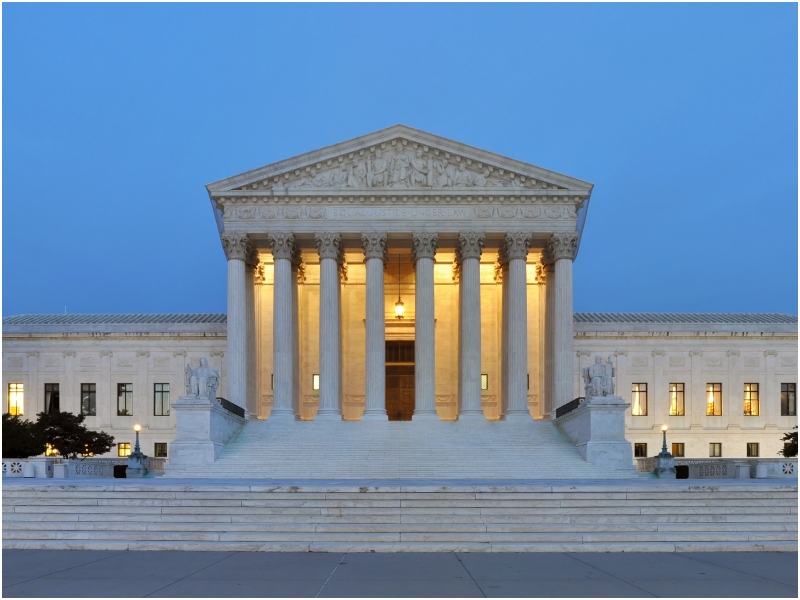
The U.S. Supreme Court on Thursday, December 4, 2025, granted Texas Republicans a temporary victory in a high-stakes redistricting battle, allowing the state to conduct next year’s congressional elections under a map drawn to favor the GOP, despite a lower court ruling that the plan likely discriminates against minority voters.
The ruling came in response to an emergency request from Texas, which argued that elections are already underway and that qualifying for the March 2026 primaries has begun.
The Court’s action effectively pauses a 2-1 lower-court decision blocking the map until the justices issue a final ruling.
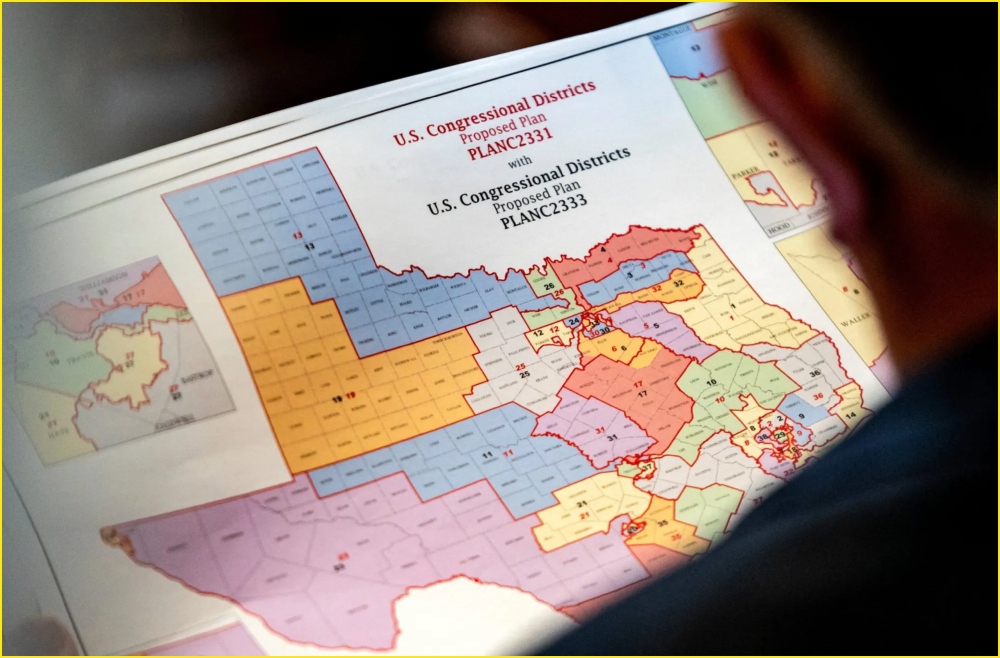
Justice Samuel Alito had earlier issued a temporary block, giving the full Court time to consider the appeal. Legal analysts note that the Supreme Court has a history of intervening in redistricting cases just before elections, including similar rulings in Alabama and Louisiana.
The contentious Texas map, enacted last summer with the backing of former President Donald Trump, was designed to give Republicans an additional five seats in the U.S. House of Representatives, preserving the party’s narrow majority. Critics argue the map is a gerrymandered plan that dilutes minority voting power, sparking nationwide debate over the fairness of congressional redistricting.
Supporters, however, describe the Supreme Court’s order as a practical necessity, citing the logistical challenges of conducting elections under newly drawn districts at the last minute.
The case highlights the increasingly politicized nature of redistricting and the Court’s critical role in shaping the balance of power in Congress.
The final decision on the Texas map could have major implications for the 2026 midterm elections, not only for the Lone Star State but also for the broader national political landscape.