
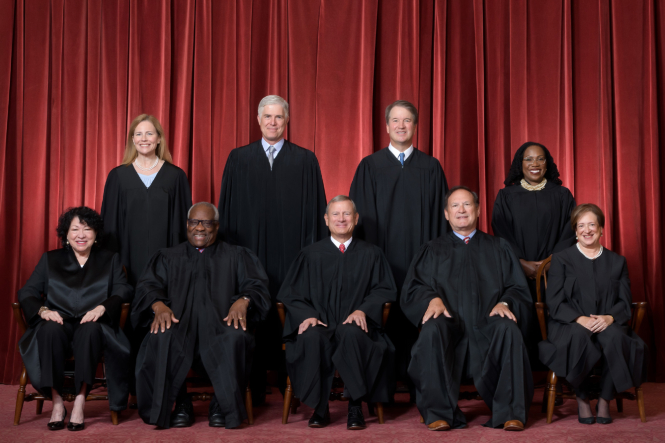
The 2025–2026 Supreme Court term delivered several landmark decisions with far-reaching effects on immigration, civil rights, executive power, and more.
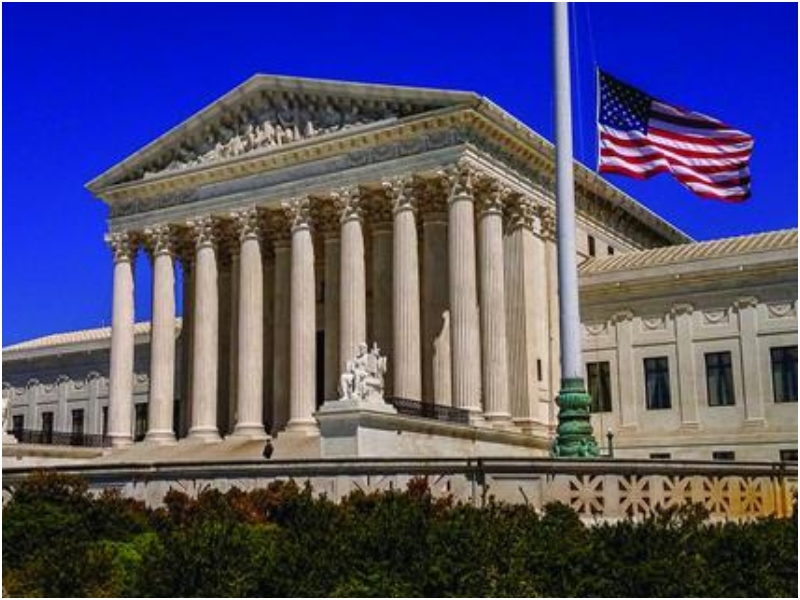
Here are the five most consequential rulings so far and their practical impact on ordinary Americans:
1. Birthright Citizenship Upheld (Trump v. United States, June 30)
In a major blow to the Trump administration, the Court ruled 6–3 that the 14th Amendment protects birthright citizenship. The decision struck down the executive order attempting to deny automatic citizenship to children born in the U.S. to undocumented parents.
Winner: Immigrant families and children born on U.S. soil.
Loser: The administration’s hardline immigration agenda.
Real-world impact: Millions of families can rest easier knowing their U.S.-born children retain citizenship rights. Hospitals, schools, and local governments avoid complex verification processes that could have disrupted services.
2. States Allowed to Ban Transgender Athletes in Girls’ and Women’s Sports
The Court upheld West Virginia and Idaho laws requiring student-athletes to compete based on biological sex. The ruling affirmed states’ authority to set eligibility rules in scholastic sports.
Winner: Female athletes and parents concerned about competitive fairness.
Loser: Transgender students seeking inclusion in sports aligned with their gender identity.
Real-world impact: High school and college athletic programs in many states now have clearer rules, potentially reducing legal challenges and controversies at the local level.
3. Expanded Presidential Power Over Independent Agencies
In a series of related cases, the Court significantly broadened the president’s authority to remove heads of independent federal agencies (with limited exceptions, such as the Federal Reserve).
Winner: Executive authority and future presidents seeking streamlined government.
Loser: Congressional intent to create independent regulatory bodies.
Real-world impact: Decisions by agencies regulating banking, consumer protection, and labor could face faster political shifts, potentially affecting everything from mortgage rates to workplace rules.
4. Limits on Coordinated Party Spending Struck Down
The Court invalidated federal caps on how much political parties can coordinate spending with their candidates, citing First Amendment protections.
Winner: Major political parties and well-funded campaigns.
Loser: Efforts to limit big-money influence in elections.
Real-world impact: The 2028 election cycle is expected to see even more coordinated spending between parties and candidates, potentially increasing the role of large donors.
5. Voting Rights Act Enforcement Narrowed
The Court made it significantly harder to bring racial gerrymandering challenges under the Voting Rights Act, limiting the scope of Section 2 claims.
Winner: State legislatures drawing district maps.
Loser: Voting rights advocates and minority communities challenging maps.
Real-world impact: Redistricting battles after the next census could face fewer successful legal challenges, affecting representation in Congress and state legislatures for years.
These rulings reflect a Court continuing to reshape American law on issues that directly touch daily life — from who counts as a citizen to how elections are funded and who can play high school sports. The term’s decisions are likely to influence policy debates well into the next decade.